Why Bathroom Remodeling in Great Falls VA Is More Complex Than You Think

Bathroom

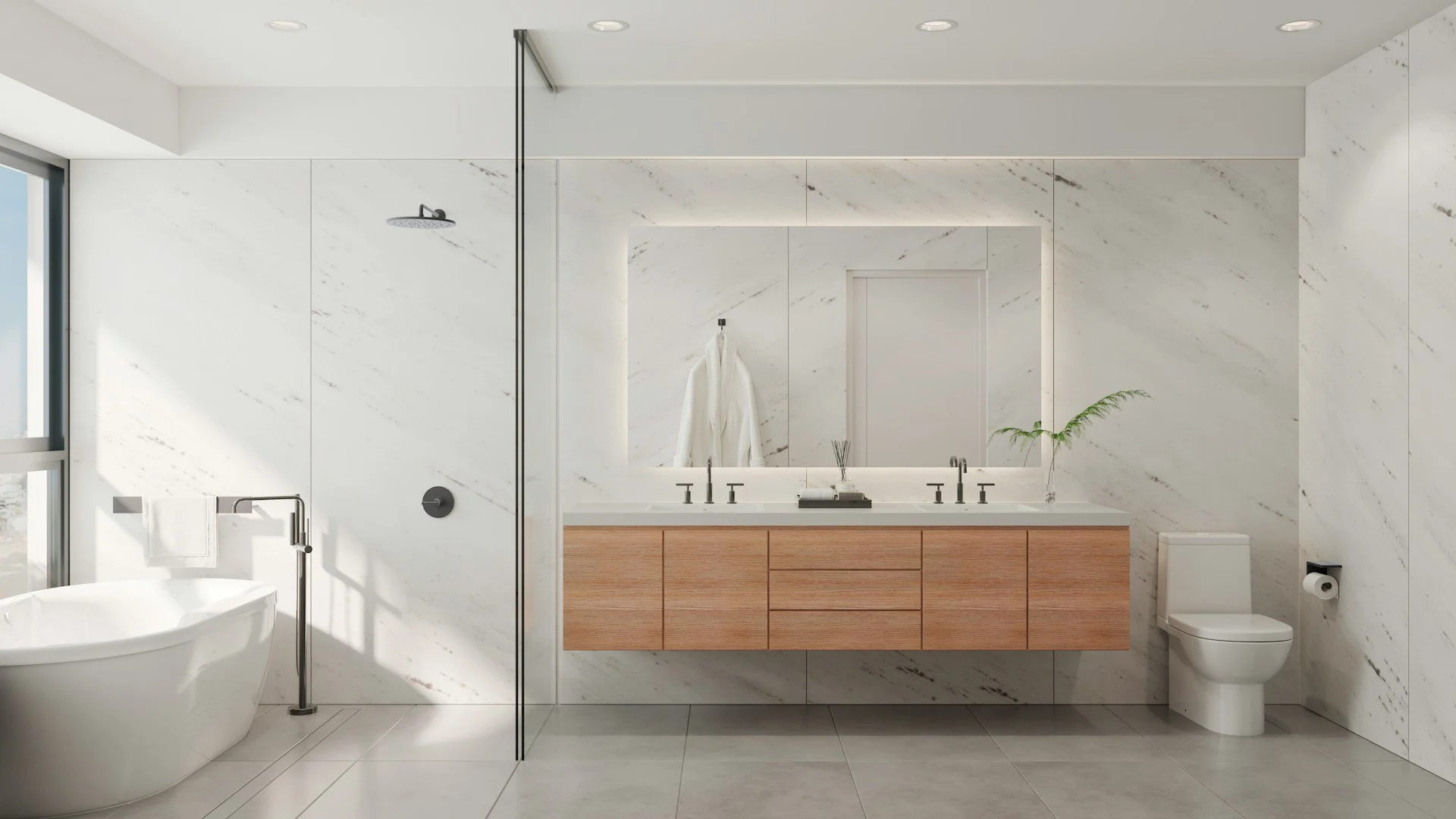
At first glance, bathroom remodeling seems pretty simple. It's a small space, usually has just a few fixtures, and might even feel like a quick weekend update. But when we start working with bathrooms in older homes, especially around Great Falls, Virginia, we often find that there’s much more going on than meets the eye.

Homes here carry a lot of character, but that charm can also hide a lot of problems. Remodeling in this area means dealing with age, outdated systems, and permitting needs that aren’t always quick to move along. Winter weather adds another layer of delay, especially when material deliveries get stuck or construction schedules slow down. That’s why now is a good time to start thinking through every piece of the puzzle if you're planning a bathroom remodeling in Great Falls, VA.

Hidden Issues Behind the Walls

Bathroom walls might look fine at first, but once we pull out an old vanity or remove a shower insert, the problems start to show. This is especially true in homes built more than a few decades ago, which make up much of the housing around Great Falls.

  • Older copper or galvanized pipes may be worn or leaking.

  • Past fixes, especially makeshift repairs, can be hidden behind tile or drywall.

  • Wiring is often outdated or not up to code.

  • Moisture buildup from poor ventilation can lead to mold or rotting wood.

These issues usually add time and cost because fixing them often means replacing parts completely, not just patching them. When older materials are no longer up to current code, they're not allowed to stay, so the remodel must bring everything up to standard even if the damage seems small.

Very old pipes or wiring are often discovered only after tile and fixtures are removed. Sometimes discovering these problems can add surprise steps during your remodel. For example, addressing moisture damage may involve drying out enclosed spaces or swapping sections of old-fashioned insulation. Roof leaks or faulty flashing near upstairs bathrooms can also let in water over time, causing trouble even if nobody noticed anything on the surface. Seeing the entire system before work begins helps cut down on the surprises but isn’t always possible, so keeping extra time in the schedule is wise.

Limited Space and Layout Changes

Another common challenge is space. Many older bathrooms were designed with just the basics, and most don't reflect modern expectations for comfort and function. Trying to add a double vanity, improve lighting, or fit in a walk-in shower takes more creativity than you’d think.

  • Tight footprints limit where things can go, especially with older plumbing.

  • Drain lines and vent stacks are often fixed in place and expensive to move.

  • Changing the layout at all usually means shifting pipes, wires, and foundation cuts.

We’ve seen how none of this is impossible, but it does take careful planning. Even moving a toilet just a few feet can lead to added demolition, concrete work, or longer down time for the room. In small bathrooms, a misstep in layout can also make the room harder to use, even if it looks great.

Older homes might feature layouts that are less efficient with space than current designs. Expanding or swapping the placement of fixtures is sometimes possible, but it might require reworking not only plumbing but the existing supports within walls or floors. Making the most of what’s available becomes important, especially for things like storage or shower size. Detailed planning, sometimes using design software or scaled drawings, helps avoid layout mistakes.

Material Choice and Delivery Delays

Picking materials sounds like the fun part, but even that comes with a few challenges. Because many homeowners want high-end finishes or custom looks, things often need to be special ordered. And what usually takes three weeks can stretch into five or six during winter months.

  • Tile, stone, or custom cabinets may not be in stock locally.

  • Shipping delays are more common in January and February.

  • Roads in and around Northern Virginia can be slow in bad weather.

Selecting materials early in the planning phase helps keep things on track. It’s never a good idea to wait until demolition has started to make product decisions. Doing that often leads to compromises later, or long gaps in progress while materials arrive.

It's smart to confirm all ordering timelines before your remodel begins, especially for products coming from outside the area. Working with your contractor to review lead times for tile, flooring, and specialty plumbing fixtures can help keep everyone updated. If you’re dreaming of custom colors or non-standard cabinet sizes, expect to wait a bit longer. Even the best-planned jobs run more smoothly with a backup plan in case something is delayed. Ask about local alternatives if deliveries are held up.

Code Compliance and Permit Requirements

Great Falls, Virginia, isn't just beautiful, it’s also known for specific building standards. That means even small bathroom changes can require permits and follow-up inspections, especially if plumbing or electrical work is involved.

  • Bathrooms must meet current code for venting, drainage, and outlet placement.

  • Inspections may be needed before, during, and after certain steps.

  • Permits take time, and sometimes more than one is needed depending on the scope.

With older homes, it's common to have to upgrade parts of the bathroom beyond what was planned. For example, if walls get opened up and inspectors see outdated wiring, they'll usually require it to be brought up to today’s rules before approving the final work. These kinds of surprises are just part of the process, but they’re easier to manage when planned for from the start.

Permitting requirements often depend on your specific address and the project’s overall complexity. In some areas, even window replacements or small plumbing swaps need approval before work can begin. Checking with local building officials early saves time down the line, and scheduling inspections ahead helps the process move along. Staying prepared for these extra steps makes bathroom remodeling less stressful and helps you finish with confidence.

Coordination With Other Parts of the Home

Bathroom changes sometimes affect nearby rooms without warning. Fixtures like showers or tubs connect through systems that may reach upstairs or across hallways, and almost everything runs between the walls or below the floor.

  • Pipes supplying a second-floor bedroom might run through the bathroom ceiling.

  • HVAC ducts can block planned changes.

  • Shared walls may limit where certain fixtures or outlets can fit.

Also, when we remove walls or shift plumbing, we sometimes need to open up other parts of the home to finish the work. Knowing how all these rooms connect before starting helps avoid delays down the line. Without that preparation, a small job can quickly touch four or five spaces instead of just one.

Every floor and ceiling space can hide more lines or supports than you’d expect. If you’re remodeling an upstairs bathroom, the work may impact rooms below, even small changes like rerouting a drain can mean opening ceilings in finished spaces. Sometimes coordinating with other upcoming updates, like repainting or restoring woodwork, keeps everything looking fresh and avoids twice the mess. Communication between everyone involved makes these larger jobs run smoother.

Planning for Bathroom Remodeling Success in Great Falls

Remodeling a bathroom in Great Falls means anticipating the unexpected. We Remodel provides a complimentary in-home consultation, during which our team assesses everything from the home's existing plumbing and wiring to code compliance and layout. Our bathroom remodeling services focus on both function and longevity, using products made to stand up to real life in Northern Virginia homes.

Every remodel brings its own surprises, and older homes in Great Falls often have a few more in store. We’re experienced in handling lengthy delivery times, challenging layouts, and aging systems, and we know that the best outcomes start with a strong plan. When you’re ready to explore bathroom remodeling in Great Falls, VA, We Remodel will help you address the details and avoid unnecessary delays. Let’s connect to discuss your next steps.
Signs You Need Professional Basement Remodeling Services

Basement Remodeling

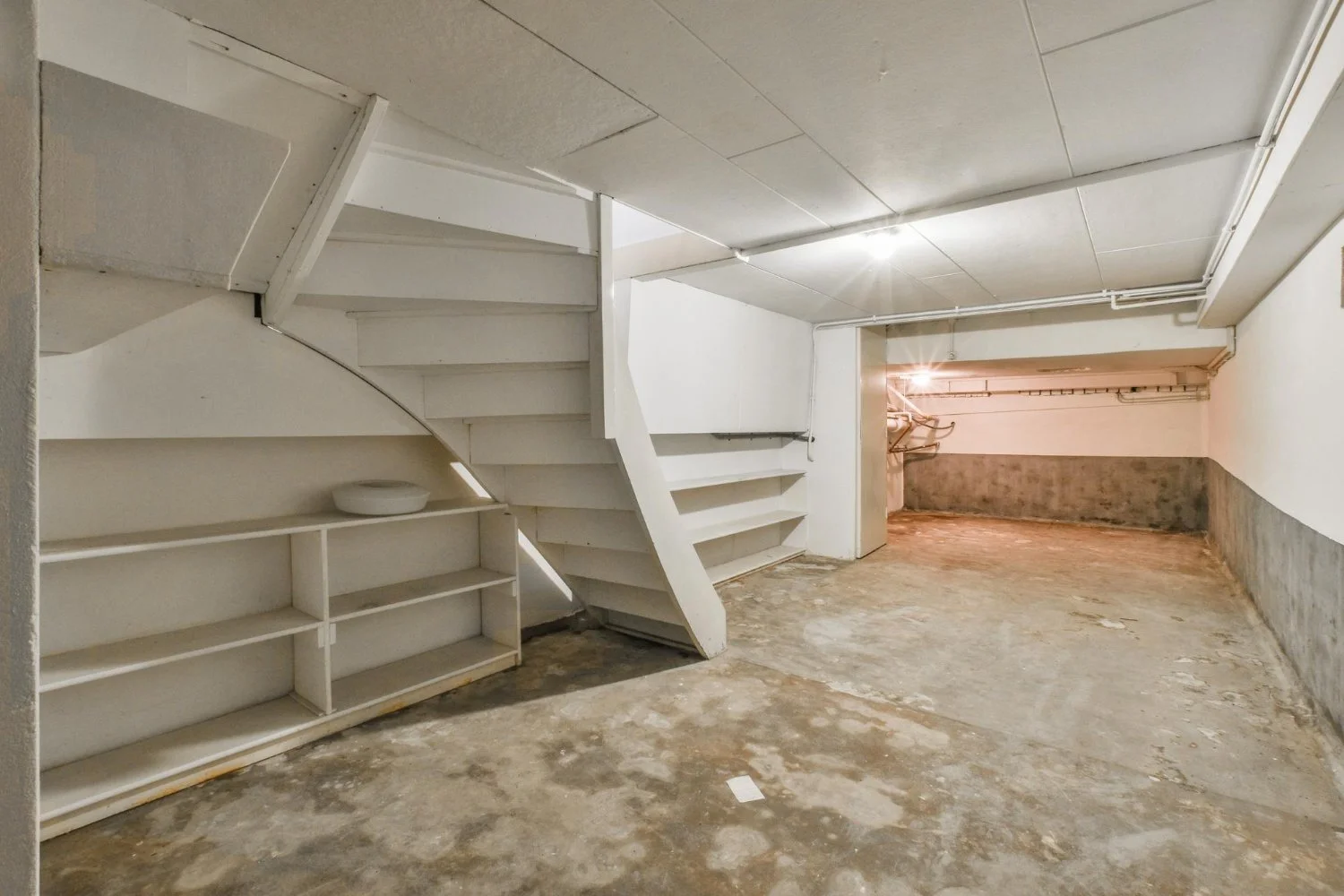
Basements often start as storage spots. Boxes, holiday decorations, and old furniture tend to pile up there over time. But with the right changes, that forgotten space can become one of the best parts of your home.

Sometimes, the signs telling us it's time to make that upgrade aren't obvious. A few issues might seem small at first but grow into real problems if left alone. That's when it makes sense to look into professional basement remodeling services. Since it’s late January, the weather in Northern Virginia isn’t always great for outdoor work, which makes it a smart time to tackle indoor planning. This way, by the time spring hits, construction is already moving instead of just getting started.

Signs Your Basement Feels Cold or Damp

Walking into your basement shouldn’t feel like stepping into a cave. Cold floors, drafty walls, or that humid feeling in the air can mean something’s wrong. These things often point to insulation problems, leaks, or failed seals around the foundation.

  • Musty smells and standing moisture are red flags

  • Walls that feel wet or look stained could mean water is getting in

  • A chilly basement during winter may show that warm air from upstairs is escaping

Trying to fix these symptoms with just a space heater or scented sprays usually doesn’t help for long. These problems tend to come back until the real cause is found and dealt with. If your basement has felt uncomfortable for a while, chances are it’s not just the weather. It might be time to fix how the space is built.

Your Basement Layout No Longer Works for Your Needs

What worked five years ago might not fit today. Families grow, kids grow up, and needs change. What used to be the kids' playroom may now sit empty. Or maybe you hoped to work from home part-time, but there’s nowhere that feels private enough.

  • Empty storage rooms that go unused could become guest spaces

  • A one-room basement may need to be reworked into separate living zones

  • Poor lighting and awkward traffic flow may be making the space hard to use

When a layout doesn’t make sense anymore, it ends up being a waste of square footage. And no one wants to live in a big house where one-third of it stays off-limits. Fixing the layout can turn the basement into an actual part of your daily routine, instead of a space used once a month.

Old Materials Are Breaking Down

Time takes a toll underground. Materials used in basements don’t always hold up as well as what we see upstairs, especially in homes built a few decades back. Carpet in these areas tends to absorb moisture, wall panels can buckle, and ceiling tiles may sag.

  • Spots on carpet or peeling paneling point to moisture hiding below the surface

  • Bulging drywall or warped floors show structural problems

  • Musty smells and soft patches on the floor might mean water has been trapped for a while

Fixing this kind of wear and tear isn’t just about looks. Old materials can grow mold or hide damage. If your basement has looked the same since move-in day and feels a little worse each time you’re down there, it might be time to start fresh.

You’ve Dealt with Repeated Repairs or Temporary Fixes

If you’ve been patching the same spot of drywall for the third time or repainting the same wall after another drip or crack shows up, something bigger could be going on. At a certain point, quick fixes just don’t last.

  • Paint that cracks or bubbles again and again means the base material is failing

  • Recurring leaks or musty smells that return after each cleanup show deeper issues

  • Loose lighting, old outlets, and bad patches around fixtures hint at outdated systems

These repeated repairs usually end up more expensive in the long run. When we keep treating symptoms instead of what’s at the root, the space never feels finished. That’s where basement remodeling services come in, by solving it the right way and helping make those small, annoying problems disappear for good.

The Space Doesn’t Feel Safe or Comfortable

Basements are often overlooked when it comes to safety. But as people start using these spaces more for living, working, or relaxing, the need for comfort and safety grows. If spending time down there doesn’t feel good, something probably needs to change.

  • Poor lighting that leaves corners dark or shadows on staircases

  • Outdated wiring that flickers, trips breakers, or doesn’t support modern devices

  • No clear exit aside from the stairs, which could break safety codes

Fixing these things isn’t just for peace of mind. A basement that feels solid, warm, and bright is one people will actually use. Whether it’s a game room, a guest bedroom, or a quiet home office, comfort goes hand in hand with how much value the space adds to the rest of your home.

When Quality Remodeling Makes the Difference

Basements don’t have to be the forgotten part of your house. They can feel just as comfortable, safe, and welcoming as the rooms above. The early signs, like ongoing dampness, failing layouts, or repeated repairs, are often the warning before bigger problems arrive.

As a locally trusted and experienced basement remodeler, we offer licensed and insured service throughout Northern Virginia. Our team handles everything from structural improvements and moisture control to full-scale basement finishing, helping you get more livable space with upgrades that meet local codes.

When a basement is well-built and thoughtfully designed, it becomes a place that works all year long. Whether it serves as a second living room or an extra bedroom, a finished basement gives something back. It stops being a place you avoid and turns into one you live in every day.

When your basement in Northern Virginia becomes an underused area or starts showing signs like water stains, drafts, or a difficult layout, our team at We Remodel is ready to help you reclaim that space. Find out how our approach to basement remodeling services can transform your home into something both functional and comfortable. Reach out today and let’s talk about the possibilities for your basement.

What to Expect During Basement Remodeling in Leesburg VA

Basement Remodeling

Starting basement remodeling in Leesburg, VA, can feel exciting, but it also brings a lot of questions. Whether you're thinking about building a hangout space, a home office, or a guest suite, it's helpful to understand what goes into the process. This part of the house can be one of the most flexible, but making it work takes planning.

Before the hammering begins, it’s worth thinking about comfort, layout, and how long things will take. Cold months like January are good for getting organized and making decisions, even if the actual work starts later. By knowing the steps ahead of time, we can avoid delays and be better prepared for what’s coming once construction begins.

Preparing for the Remodel

The first step is always taking a good look at what’s already in place. Every basement is different. In older homes especially, we might need to check a few things before final plans are made.

  • Check for signs of water problems, like damp walls or musty smells.

  • Measure the ceiling height and look at how pipes or vents might get in the way.

  • Study the layout to figure out where walls, rooms, or closets could fit.

If your home hasn't had major updates in a while, the basement may still have outdated wiring or insufficient insulation. Older plumbing might impact where a new bathroom or wet bar can go. These things don’t stop a remodel, but they do take more time and planning.

Winter is a good season to focus on prep work. The ground might be frozen, and cold weather can slow down outdoor projects, so it's an easier time to review blueprints, meet with pros, or apply for permits. Building departments are still open, and springtime construction could move quicker if everything is ready before then.

What Happens During Construction

Once everything is laid out and materials are selected, construction begins. This part is more physical, and it’s helpful to be ready for things to get a little loud or messy, especially if you’re living upstairs.

Here’s how most basement remodels tend to move:

1. Demolition: Removing anything old or broken (walls, flooring, fixtures).

2. Framing: Building new walls, doorways, or closets.

3. Rough-in work: Installing new plumbing, heating ducts, electrical lines.

Weather can sometimes slow things down. If you're adding windows or digging for plumbing drains, frozen ground or low temps might be a factor. Inside, though, work typically keeps moving. You might notice more dust or less quiet during construction.

To keep things manageable for your household, mark off areas where work is happening. Use plastic sheeting, tape off entrances, and plan ahead if kids or pets are around. It’s normal to have some restricted access for a few weeks during this time.

Choices That Affect the Timeline

Some parts of the basement remodel happen in order, but others depend on your choices. Picking fixtures, flooring, or finishes might seem like simple tasks, but they can easily hold things up if left for the last minute.

  • Carpets, tile, or engineered flooring often have lead times depending on the supplier.

  • Special-order items like lighting or vanities might take weeks to arrive.

  • Paint color, trim selection, or hardware styles can stall progress if undecided.

We always recommend choosing and ordering supplies before demolition starts. That way, we’re not waiting on a delayed shipment to finish a room. Permits and inspections can also affect timing. While things usually move steadily, it's smart to allow a few extra days in your schedule in case an inspector visit gets pushed back or paperwork takes longer than expected.

Safety and Comfort Considerations

A remodeled basement isn’t much help if it doesn't feel good to be in. Comfort is more than just temperature; it includes airflow, lighting, and how safe the space feels.

  • Add wall and ceiling insulation to hold in heat and sound.

  • Choose heating options that make sense for underground areas like electric baseboards or ductless mini-splits.

  • Make sure emergency exits, smoke alarms, and ceiling height meet local code.

Basements in Northern Virginia can get pretty cold during winter and stickier in early spring. Planning for that during the build can make the space usable year-round. Fire codes also matter. If you’re turning part of the basement into a guest room, you may need a larger egress window or upgraded stair access. Planning ahead for these things helps avoid last-minute changes.

What the Finished Space Should Feel Like

After all the planning and building, the main goal is to have a room that works the way you want it to. That means more than just a nice look; it’s about how the space lives once you start using it.

Think about the purpose:

  • If it’s for relaxing, soft lighting and carpet might make it feel warm and cozy.

  • For an office, soundproofing and strong lighting can help you focus better.

  • If you’re adding a gym, open space and solid floors matter most.

Beyond these functions, it’s the small features that help the basement feel like a smooth part of your home. Good circulation, thoughtful lighting, and easy access from upstairs go a long way. It shouldn’t feel like a separate space; it should feel like one more comfortable room in your house.

Expert Guidance for Leesburg Basement Remodeling

The whole process of basement remodeling in Leesburg, VA, goes more smoothly when you know what to expect from start to finish. We Remodel offers a free in-home consultation, where a project specialist will discuss your basement ideas, review your space, and provide a written estimate so you can plan with confidence. Our expertise includes basement finishing, custom built-ins, and complete basement transformations for a range of uses.

When we focus on preparation, clear choices, and aligning your plans with comfort and code, remodeling your basement becomes a stress-free experience. With careful planning and experienced guidance, your renovated space can bring new value and enjoyment to your home in Leesburg, VA.

Planning ahead can help you make the most of your square footage, and our team has guided many homeowners through layout choices and finish options that enhance daily living. We've answered questions just like yours about basement remodeling in Leesburg, VA, and know that early decisions have a big impact. At We Remodel, we’re ready to help you take the next step, contact us to start creating a space you’ll love.

How to Start Planning a Basement Remodel in Leesburg

basement

Starting a basement remodel in Leesburg brings up a lot of questions. The timing, layout, old features, and what you plan to use the space for all matter. Cold winter months can actually be a good window to get all the thinking and planning done. Since the basement isn’t used as much when it’s chilly outside, you can focus on what should change and how you want it to feel once it’s finished.

Whether you’re hoping for a family hangout, an extra room for guests, or just better use of space, the first steps are what set the whole project up to go smoother. A basement remodel in Leesburg takes more than picking a new paint color. To avoid common issues later on, it helps to think ahead about structure, safety, comfort, and design, especially in older homes.

Look at the Space You Have

Before getting into design ideas or picking out finishes, take a close look at what’s already there. Most basements come with a mix of usable features and areas that need help. Start by walking the space with fresh eyes and making some notes.

• Look at the ceilings. Are they low or sloped? Would ductwork or piping get in the way?

• Smell the air. Is there any dampness or signs of water past leaks?

• Is natural light coming in through small windows, or is it mostly dark even during the day?

A basement’s age can bring surprises. It might have cracks in the walls, exposed pipes, or strange angles that make furniture hard to fit. Layout and airflow are other important factors. If you're dodging support beams or heading down stairs that feel cramped, those are things to think about early. Identify anything that needs fixing first, like leaks, weak spots in the wall, or evidence of pests. These types of issues can hold up bigger work later if they’re skipped at the beginning.

Define the Main Use of the Space

Once you’ve looked closely at what you’ve got, it helps to settle on one main use for your basement. This doesn’t mean it can’t do more than one thing down the road, but picking a main purpose helps guide layout and upgrades.

• A guest bedroom might need closet space and good sound control from upstairs.

• A home gym could need stronger floors, better airflow, and space for equipment.

• A playroom would want bigger open areas and tough surfaces that are easy to clean.

Keep the future in mind too. What you want now might change over time. Maybe it starts out as a TV and game space, but later needs to handle work-from-home needs. Making smart choices with wiring, outlets, and lighting now can save money and stress later.

Know the Rules in Leesburg

It’s easy to get excited about carpet colors and theater-style seating, but skip local rules and you might stall before anything gets built. Every town has its own code for how basements should be finished. Things like ceiling height, safe exits, or how far plumbing can run all come into play.

When remodeling a basement in Leesburg, don’t skip the step of checking if permits are needed. Most finished spaces need them, especially if the remodel will add a bathroom or sleeping space. Pay attention to:

• Minimum ceiling heights

• Where and how exits must be built

• Smoke detectors and carbon monoxide requirements

• Rules around electrical updates or lighting

It helps to look into this before final design choices are made. That way, you won’t have to rip out walls to add a second exit or move an outlet that’s out of code.

Plan for Comfort and Safety

Basements in Northern Virginia stay cooler most of the year. That’s great in the summer, but in January or February, it can get too chilly to enjoy the space. Comfort needs to be built into the first stage of the plan.

• Add wall and ceiling insulation that fits the space

• Upgrade windows or seal off old ones to keep out drafts

• Choose heating that works well underground, like radiant floors or split units

Sound insulation can make a huge difference, especially if the basement will be used while others are home upstairs. Carpeting or acoustic panels help cut down echoes and noise between levels. For safety, check for working smoke alarms and install emergency exits that are up to date. Some basements may need new egress windows or reinforced stairs, especially in older homes that weren’t originally built for finished spaces.

Make a Timeline That Works

Winter is a smart time to focus on the planning side of things. Permits, approvals, material research, and layout choices can all be worked out before construction begins. That way, when the weather warms up in Leesburg, work can start right away.

Think through what steps might take the longest. Permit reviews, ordering materials, and inspections can all hold things up if they’re left too late.

To keep your remodel on track:

• Map out key decision points now (like layouts or types of flooring)

• Give yourself time to fix any surprises like old wiring or slow drains

• Set up short deadlines for approvals and product selections

The more that’s planned out before spring hits, the smoother the actual work tends to go.

Setting Up For a Successful Leesburg Basement Remodel

A good basement remodel starts long before any construction begins. It takes time to think through layout, comfort, and what the space is really for. From there, reviewing Leesburg codes, fixing current issues, and choosing materials that match the season help achieve cleaner results.

We provide a free in-home consultation, so you can get professional advice for your space before making final decisions. Our team is fully licensed and insured for remodeling throughout Northern Virginia, and we specialize in basement finishing projects that are built for both safety and comfort.

Preparing for a basement remodel in Leesburg while things are quieter outside gives you an opportunity to choose the details that fit your needs. When it’s time to begin construction, you'll be ready with a plan, not racing to solve last-minute problems. Planning early ensures your finished basement will be comfortable, safe, and ready for year-round living.

Planning a basement remodel in Leesburg can feel overwhelming with all the details and options to consider, from code compliance to layout ideas. At We Remodel, Inc., we've helped homeowners across Northern Virginia transform their lower levels into functional spaces for relaxing, working, or adding storage. Explore how we approach a basement remodel in Leesburg to see what might work best for your home, and when you're ready for expert guidance, reach out to our team.

Creative Solutions for Small Living Room Remodels

Small Living Room

Living rooms come in all shapes and sizes, but when life gives you a small one, it's time to get creative. Designing a compact living area can feel like trying to fit a puzzle together. You want to maximize space without sacrificing style, ensuring every piece counts. The key is in strategic planning, allowing you to create a room that not only looks great but also suits your lifestyle. With a bit of ingenuity, a small living room can become a cozy haven.

Strategically approaching the design of a small living room can transform it into a functional and inviting space. It’s about finding a balance between aesthetics and practicality. Consider what you need most: storage, seating, or maybe just a sense of openness. By focusing on smart solutions, you can turn those limited dimensions into a room that feels larger than it really is. Let's explore some practical steps to bring big style to small spaces.

Smart Furniture Choices

Choosing the right furniture can be a game-changer when it comes to remodeling a small living room. Every piece should serve multiple functions and fit the room perfectly, without making it feel cramped. Multi-functional furniture can help you make the most of the space available. Here are some ideas to consider:

  • Sofa Beds: These offer a place to sit during the day and can easily convert into a sleeping area.

  • Storage Ottomans: Use these to store blankets, magazines, or anything else cluttering your space, while also providing extra seating.

  • Fold-Out Tables: Perfect for an impromptu workspace or dining area, these tables can be tucked away when not in use.

To avoid a cluttered look, stick to furniture that fits the scale of the room. Overly large or ornate pieces can overwhelm a small space, making it feel even tighter. Opt for sleek designs and light colors that enhance the sense of openness. Consider mounted sofas or chairs to keep the floor clear, which can trick the eye into seeing more room. By selecting furniture thoughtfully, you can add functionality without sacrificing style. This way, your living room becomes more than just a place to sit; it becomes a true reflection of your lifestyle.

Maximizing Vertical Space

One often overlooked strategy in small spaces is maximizing vertical areas. Vertical space can create the illusion of tall ceilings and a bigger room. Imagine a bookshelf that stretches from floor to ceiling. It not only offers ample storage but also draws the eye upwards, making your living room feel more expansive.

Consider these ideas to make the most of your vertical space:

  • Tall Bookshelves: Perfect for storage and display, they can hold everything from books to decorative items.

  • Wall-Mounted Storage: Use shelves and cabinets mounted high on walls to keep items accessible yet off the floor.

  • Floating Shelves: These are great for art pieces or plants, adding depth without taking up floor space.

By using vertical elements, you create more storage and visual interest, transforming a cramped room into one that feels open and airy.

Creative Lighting Solutions

Lighting can dramatically affect how large a room feels. Natural light is your best friend, so keep your windows unblocked or cover them with sheer curtains. Mirrors can reflect light around the room, enhancing brightness and adding depth.

To build on natural light, consider these layered lighting ideas:

  • Floor Lamps: Place these in corners to create cozy nooks or highlight features.

  • Wall Sconces: Ideal for adding light without taking up floor space, they can be a stylish addition.

  • Ceiling Lights: A well-placed ceiling light can flood the whole room with light, making it feel bigger.

Each layer of light plays a part in adding warmth and dimension, turning a small room into a versatile living space.

Effective Use of Color and Decor

Color choices have a big impact on the perception of space. Light colors, like pale blues or soft grays, can make your room feel airy and larger. Dark shades, if used wisely as accent colors, add depth without overwhelming.

Consider these decor tips for a spacious feel:

  • Minimalistic Decor: Opt for less clutter with functional decorations that serve a purpose.

  • Space-Saving Decor: Choose items like foldable picture frames or stackable pieces that can be easily moved or stored.

  • Accent Colors: Use cushions or throws in complementary colors to add warmth and personality.

A clean, light color palette combined with intentional decor can make your living room a stylish yet comfortable retreat.

Bringing It All Together

Designing a small living room involves thoughtful planning and a good mix of creativity and practicality. By integrating smart furniture, utilizing vertical space, enhancing lighting, and selecting the right colors, you can craft a room that feels much larger than it physically is. These small changes combined work to transform your space.

As you refine your living room setup, keep in mind your day-to-day needs and personal style. Every decision you make should resonate with how you want to live and the comfort you seek in your home. In doing so, every corner of your living room will reflect the essence of your personality, making it both functional and uniquely yours.

Ready to transform your small living room into a spacious and stylish haven? Explore more about an interior home remodel with We Remodel in Northern Virginia. Our team focuses on bringing your vision to life by tailoring designs to suit your lifestyle and preferences. Reach out to us today to discuss how we can help reimagine your space.

Tricks for Enhancing Your Home's Exterior Charm

Everyone dreams of owning a home that catches the eye and creates a warm, welcoming atmosphere. Enhancing your home's exterior charm isn't just about aesthetics—it can significantly boost its value and curb appeal. In Northern Virginia, where homes are surrounded by beautiful landscapes, a well-presented exterior harmonizes with the natural beauty and community style. It's about combining practical improvements with personal touches to make your residence stand out in a neighborhood.

Creating an inviting exterior doesn't have to be a daunting task. With a mix of strategic updates and personal creativity, you can transform your home's façade into a true reflection of your style. From thoughtful landscaping to updated architectural elements, these improvements can make a big difference. Let's explore some practical and effective ways to add charm to your home's exterior, ensuring it leaves a lasting impression.

Sprucing Up Your Front Yard

Taking steps to enhance your front yard can significantly change the vibe of your entire property. Here are some helpful suggestions to get started:

  • Choose the Right Plants: Selecting plants that thrive in Northern Virginia's climate ensures your garden's longevity and vibrancy. Native species, such as Virginia bluebells or wild columbines, are not only beautiful but also require less maintenance.

  • Create Eye-Catching Features: Adding features like a small fountain, a birdbath, or even a winding pathway can provide a focal point and guide the eye through your garden. Consider using natural stones or stepping stones to add detail to these pathways.

  • Maintain a Neat Lawn: Regular mowing, edging, and fertilizing keep your lawn looking fresh and healthy. Adding seasonal flower beds with pansies in spring or asters in fall provides a splash of color to complement the evergreens, maintaining visual interest year-round.

These straightforward adjustments can drastically improve the look and feel of your home's exterior, making it a welcoming retreat for both you and your guests. Aim for consistency in design, which ties the front yard in with the overall home exterior, creating a coherent and charming appearance.

Freshening Up Your Home's Facade

To truly elevate your home's appeal, freshen up its facade. It's surprising what a difference a coat of paint can make. Start by selecting a color palette that aligns with your personal taste and suits your neighborhood's character. A vivid front door or a clean, neutral siding color can breathe new life into your home’s exterior. If painting isn't your thing, consider replacing outdated or worn siding. New siding choices like fiber cement or vinyl not only look great but offer durability.

Doors and windows also play a critical role in your home’s appearance. Swapping out an old, drafty front door for a modern style can make a striking impact. Look for styles with glass panels to let light flood your entryway. Updating window styles and ensuring they’re well-fitted will not only refresh the look but improve energy efficiency. Don't underestimate the power of small details like shutters or decorative trim; they add a finished, polished touch to the overall aesthetic.

Creating Inviting Outdoor Spaces

Outdoor spaces are like an extension of your home. Make them inviting and functional by designing patios or decks that suit your lifestyle. Whether it's a spacious porch for entertaining or a small nook perfect for sipping morning coffee, thoughtful design makes all the difference. Consider using natural materials like wood or stone to blend the area with its surroundings.

Choosing the right outdoor furniture and decorations can make your space both stylish and comfortable. Opt for weather-resistant pieces that promise longevity. Complement your furniture with colorful cushions and throw pillows to add that cozy touch. Lighting is another key element. Strategically placed lights not only highlight architectural features but create a warm, welcoming atmosphere after sunset. Simple string lights or lanterns can add charm and illumination.

Adding Personal Touches

Personal touches make a house feel like home. Incorporate unique decor items that reflect your personality—perhaps a quirky mailbox design or distinctive house numbers. These can make a subtle but significant impact on your home's overall look. Seasonal decorations, like wreaths or a small flag, keep your exterior lively and updated.

Outdoor art and garden ornaments are perfect for expressing style and bringing a hint of personality to your garden. Think of items like sculptures, birdhouses, or wind chimes. They add a playful touch while enhancing your yard's aesthetic. The trick is to balance these elements so they complement rather than overwhelm your space.

Bringing It All Together

Crafting an exterior that charms starts with a few strategic updates. From freshening the facade and creating outdoor gatherings to adding personal flair, these elements together enhance appeal and comfort. Your home will not only attract the eye but offer warm hospitality to family and visitors alike. As you think about these changes, consider how they fit with your lifestyle and preferences. Simple, well-chosen improvements can transform your house into a beacon of welcoming charm.

Looking to enhance your home's exterior with the perfect finishing touches? Partnering with a home remodeling general contractor can make all the difference in bringing your vision to life. Whether you're updating your facade or creating inviting outdoor spaces, We Remodel ensures quality craftsmanship tailored to your style. Explore our services to see how our experts can help reflect your tastes and improve curb appeal. Get started on your home transformation today.

Avoiding Common Remodeling Pitfalls in Basements

Basement Remodeling

Basement remodeling can transform one of the most overlooked areas of a home into a vibrant living space. Whether you're turning it into a cozy family room, a home office, or a guest suite, the possibilities are endless. When planned thoughtfully, a remodeled basement boosts your home's value and utility. However, this venture comes with its share of challenges. Homeowners often dive into these projects without anticipating the potential hurdles, leading to frustration and unexpected costs.

Many common pitfalls can come your way during a basement remodeling project. Handling moisture problems, sticking to a budget, and understanding local building codes are just a few issues that might arise. Recognizing these challenges beforehand can save you a lot of trouble. The aim is to help you create a functional and beautiful space while steering clear of common remodeling mistakes.

Poor Planning and Budgeting

Failing to plan adequately and budget appropriately can lead to disappointment in any remodeling project. Without a clear plan, even the best intentions can result in unfinished projects and escalating costs. You'll want to map out every detail beforehand to avoid surprises that will derail your efforts.

Here's a simple checklist to get started:

1. Define your goals. Are you aiming for extra living space, a workout area, or maybe a dedicated playroom for the kids?

2. Research potential costs. Look into materials, labor, permits, and any hidden costs that might come up.

3. Set a realistic budget. This should include a buffer for those unexpected expenses that inevitably arise.

When working out your budget, think of it as the framework for your project. Keep track of every expense, and don't forget to include a cushion—having extra funds available can make a big difference if plans change.

Lastly, keep communication lines open. Talking with contractors, designers, and even friends who have tackled similar projects can provide valuable insights. They'll help you make informed decisions and stick to the financial plan you've laid out. With a solid roadmap, you'll be ready to steer your project in the right direction.

Ignoring Moisture and Water Issues

Basements are notorious for moisture problems. Ignoring these can lead to major headaches down the road. Moisture doesn't just affect the integrity of the space; it can contribute to mold growth and damage to finishes and furniture. Before starting any major renovations, addressing these concerns head-on is crucial.

Some signs of moisture issues include:

  • Musty odors that linger no matter how much you clean.

  • Damp spots or condensation on walls and floors.

  • Water stains or efflorescence (white powdery buildup) on surfaces.

  • Visible mold or mildew growth in corners or on walls.

To tackle these problems, consider installing a dehumidifier to keep the air dry and pleasant. Waterproofing is another must; this includes sealing walls and floors to prevent water ingress. It's especially important for basement remodeling in Leesburg, where fluctuating weather can exacerbate water issues. Solving these problems at the outset ensures a durable and healthy living area that you can enjoy for years to come.

By planning carefully and addressing moisture concerns from the start, you'll lay a solid foundation for your remodeling project. Dealing with these challenges early on will help create a space that's both inviting and functional.

Overlooking Building Codes and Permits

Adhering to building codes and securing permits is a step you can't afford to skip. These requirements ensure that your project is safe and legally sound. Failing to adhere to these regulations can lead to delays, fines, or even having to undo work that's already been completed. Though it might seem tedious, it’s essential to get everything squared away before construction begins.

To ensure compliance, start by researching the specific codes that apply to basement remodeling in Leesburg. These might include fire safety regulations, egress window requirements, and electrical standards. It’s important to work with local authorities or a professional with a good understanding of these regulations. Always make sure your permits are approved before starting any construction.

If these steps are ignored, you risk having to halt your project mid-way through or, worse, facing issues after the remodel is complete. By taking the time to do things right at the start, you can save yourself a world of trouble later.

Inadequate Lighting and Ventilation

A basement can easily become stuffy and dark without proper lighting and ventilation. These elements aren't just about comfort; they're about creating a space that's inviting and healthy. Poor lighting can make a room feel small and uninviting, while inadequate ventilation might lead to musty odors and unhealthy air quality.

Consider these solutions for effective lighting and ventilation:

  • Install recessed lighting to spread light evenly across the room.

  • Use track lighting or floor lamps to add layers and depth to the space.

  • Position mirrors strategically to enhance natural light flow and make the basement feel bigger.

  • For ventilation, incorporate vent fans to help circulate air and reduce humidity.

By improving these aspects, you instantly boost the overall ambiance and functionality of your basement. Proper planning in lighting and ventilation ensures that the basement is comfortable year-round, no matter what you use the space for.

Skipping Professional Help

There’s a temptation to tackle remodeling jobs on your own to save money, but DIY basement remodeling carries risks. Errors in construction, overlooking issues, or tackling tasks beyond your expertise can lead to costly fixes down the line. While painting a wall might be within reach, dealing with electrical work or plumbing without proper skills can be hazardous.

Hiring professionals, especially those who understand the unique challenges of basement remodeling in Leesburg, can make all the difference. These experts bring a wealth of experience to the table, ensuring every detail is executed correctly. For instance, managing the complexities of electrical systems or waterproofing should always be handled by pros. Their insights can lead to better outcomes and prevent future headaches.

Ultimately, bringing in experienced remodelers grants you peace of mind. You know the job is being done right, and you’re left with a space that's safe, sound, and stylish.

Making Your Basement Remodel a Success

Taking a systematic approach to basement remodeling, while keeping common pitfalls in mind, lays the groundwork for success. By diligently planning your budget, addressing moisture issues, following building regulations, and ensuring proper lighting and ventilation, you create a solid foundation for your project. Enlisting the help of seasoned professionals can further enhance the result, offering expertise that goes beyond what DIY methods can achieve.

Creating a stunning basement requires vision and vigilance. It's about turning an underutilized area into something practical and delightful. With thoughtful planning and the right team, you can transform your basement into a space that complements your home beautifully. Embracing these thoughtful practices will guide you to a basement remodel that's both functional and extraordinary, making it a valuable extension of your living space.

Transform your basement into the perfect living space with confidence. For expert help with basement remodeling in Leesburg, trust We Remodel to bring your vision to life. Let our team handle the details, ensuring a seamless and tailored transformation that enhances both style and functionality. To explore how our professionals can make your project a success, reach out to our team today.

Top Ideas for a Sustainable Home Remodel

Transforming your home into a sustainable haven is more than just a trend—it's a smart choice for the environment and your wallet. As more people become environmentally conscious, sustainable home remodels are gaining popularity. Whether you're aiming to reduce your carbon footprint or create a healthier living space, making sustainable choices can significantly impact your home's overall efficiency and appeal.

Imagine a home where every choice, from the floors you walk on to the appliances you use, helps conserve the planet's resources. This isn't just a dream; it's entirely attainable with a bit of planning and the right mindset. By integrating sustainable practices into your remodeling project, you'll be contributing to a healthier environment while possibly lowering your utility bills. Let’s dive into some standout ideas that can help make your next home remodel both sustainable and stylish.

Choosing Eco-Friendly Materials

Opting for eco-friendly materials is a fundamental step toward a sustainable home remodel. Not only does it help minimize environmental impact, but it also introduces aesthetic and durable qualities to your living space. Here are some sustainable materials to consider:

  • Bamboo Flooring: Known for its rapid growth and renewable nature, bamboo is a fantastic alternative to traditional hardwood flooring. It provides a similar look and feel while being more sustainable and often more affordable.

  • Reclaimed Wood: Using wood that's been previously used in other projects not only saves trees but also adds a unique, rustic charm to your home. It's perfect for creating accent walls or crafting bespoke furniture pieces.

  • Recycled Glass Countertops: Made from recycled glass fragments combined with concrete, these countertops offer vibrant colors and patterns while supporting recycling efforts.

Besides these materials, applying eco-friendly paints and finishes also plays a crucial role. Many conventional paints release volatile organic compounds (VOCs) into the air, impacting indoor air quality and contributing to air pollution. Instead, opt for low-VOC or zero-VOC paints, which are safer for both your family and the environment.

By selecting these materials, you not only make an environmentally-responsible choice but also add unique touches to your home that reflect your commitment to sustainability. As you plan your remodel, consider how each component can harmonize with your goals for a greener living space.

Energy-Efficient Appliances

Investing in energy-efficient appliances is a wise decision for those aiming to boost sustainability at home. These appliances not only reduce electricity consumption but also help cut down on utility bills. The kitchen, often considered the heart of the home, is a great place to start. Look for ENERGY STAR-certified refrigerators, dishwashers, and ovens. These products are designed to use less energy and water than standard models, without sacrificing performance.

In the laundry room, energy-efficient washers and dryers can make a big difference, too. Modern washing machines use less water and can adapt the amount of water used to the size of the load. Energy-efficient dryers often feature moisture sensors that stop the machine when clothes are dry, avoiding unnecessary energy use.

When choosing appliances, pay attention to the energy labels, which indicate how much energy a product uses compared to similar models. Installation is another factor to consider. Consult a professional to ensure your appliances are set up properly, maximizing their efficiency and lifespan.

Water Conservation Solutions

Water conservation is a key part of a sustainable remodel. Implementing water-saving fixtures can have a significant impact. Low-flow faucets and showerheads are excellent options that reduce water usage without disrupting water pressure. These fixtures are relatively easy to install and offer substantial savings over time.

Replacing standard toilets with water-efficient models can save gallons of water with each flush. Dual-flush toilets provide options for using varying amounts of water, giving you more control over water usage. Another effective method for conserving water is installing a rainwater harvesting system. This system collects rainwater from rooftops and stores it for later use, such as watering gardens or flushing toilets.

Considering these water conservation options can be both budget-friendly and eco-conscious. It's about making everyday choices that preserve resources for future generations while maintaining a comfortable lifestyle.

Sustainable Landscaping

Landscaping plays a crucial role in creating an eco-friendly home environment. By adopting sustainable gardening practices, you can significantly reduce water usage and create a haven for local wildlife. Choosing native plants is an easy way to start, as they are adapted to local climates and typically require less water and maintenance.

Xeriscaping is another option that emphasizes the use of drought-resistant plants and strategic planning to minimize the need for irrigation. This approach not only conserves water but can also lead to a low-maintenance garden that remains vibrant throughout the year.

Using rain barrels is another simple yet effective method. These containers capture and store rainwater, which can be used to water plants during dry spells. Embracing these practices not only enhances the beauty of your outdoor space but also contributes to a more sustainable ecosystem.

Creating a Green Indoor Environment

Improving indoor air quality and utilizing natural elements are important for a green living space. Incorporating houseplants can enhance air purification, as plants absorb toxins and improve oxygen levels. Select plants that thrive indoors and require minimal maintenance for best results.

Maximizing natural lighting not only reduces energy usage but also creates a healthier atmosphere at home. Consider installing larger windows or skylights to let in more sunlight. Proper ventilation is also essential, as it helps maintain air quality and temperature regulation.

Wrapping Up Your Sustainable Remodel

Incorporating sustainable solutions in your home remodeling project is a rewarding endeavor. Not only does it help protect the environment, but it also transforms your living space into a more comfortable and efficient home. As you move forward with your remodeling plans, remember the power of small changes. Every decision, from the materials you choose to the appliances you install, plays a role in reducing your environmental impact.

As you complete your remodel, look for ways to extend these practices into your routine. These changes might inspire further green living choices, sparking a ripple effect of sustainability in your life and potentially influencing others in your community. Embracing sustainability is a continuous journey, and every step you take brings you closer to a healthier, greener lifestyle.

To bring your vision of a sustainable home to life, explore the possibilities in home design remodeling with We Remodel. Our expertise can help you create an efficient and eco-friendly space tailored to your needs. Reach out to us for more inspiration and start transforming your home today.

How to Deal with Uneven Floors in Basement Remodels

Basement remodels can breathe new life into a home, providing extra living space and improving property value. However, a common hiccup often encountered during these projects is dealing with uneven floors. Uneven floors aren't just an eyesore; they can present challenges when fitting new flooring, cabinets, and furniture. Walking on an uneven surface can be uncomfortable, and it might even affect how furniture sits. Understanding why these issues pop up is key to addressing them effectively and ensuring a smooth remodel process.

One of the main culprits behind uneven basement floors is the natural settling of a house over time. As homes age, the foundation may shift or settle, leading to dips and slopes in the basement floor. Changes in soil moisture levels and inadequate initial construction techniques can also contribute to this common dilemma. Uneven floors aren't just a visual problem; they can also lead to water pooling, which can become an issue for homeowners, especially in areas like Northern Virginia known for occasional heavy rains. It's important to tackle these issues head-on to make sure your basement not only looks great but is also safe and functional.

Identifying Uneven Floors

Realizing your basement floor isn't level isn't always straightforward. Here are some signs that might indicate this issue:

  • Gaps between the floor and the baseboards.

  • Doors in the basement that don't close properly.

  • Floors that appear to slope or sag.

  • Cracks in the concrete that run across the floor.

With these signs in mind, you can perform some simple tests to confirm your suspicions. One quick test involves using a marble or small ball. Place it on various spots across the floor. If the marble rolls or moves swiftly in any direction, the floor likely has dips or slopes. Checking with a long carpenter's level across different parts of the floor will also help pinpoint height differences. These tests are easy, and they'll give you a clearer picture of the floor's condition for addressing potential remedies.

Causes and Solutions

There are several factors that can contribute to uneven floors in a basement. Besides natural settling of a house, poor construction techniques can lead to this issue. Sometimes, the concrete floor might not have been properly finished or compacted, which results in an unstable surface. Soil expansion due to moisture changes can also lift or depress parts of the floor, causing noticeable unevenness over time. Every home is unique, so identifying the specific cause is the first step to effectively dealing with uneven floors.

Once you've pinpointed the cause, it's time to consider the solutions. Engaging professionals can be a smart move here. They often employ various methods to remedy the problem. Floor leveling compounds can be used to smooth out smaller irregularities. For more significant issues, professionals might suggest laying a new concrete slab or using underlayments to create a level surface. Correcting the floor isn't just about making it look better; it's about tackling the underlying problems that could cause similar issues down the road.

Preventing Future Issues

Ensuring your basement floor remains even after you've fixed it requires some ongoing care. Here are some tips to help you maintain it:

  • Check for any leaks or water buildup regularly to prevent moisture damage.

  • Install a dehumidifier to control the moisture level in your basement, which helps keep the environment dry.

  • Inspect the foundation annually for cracks or shifts that could affect the floor level.

  • Consider waterproofing your basement walls and floors to guard against any future water intrusion.

Regular maintenance and monitoring of your basement's condition can help maintain a stable and even floor. Keeping the area dry and well-inspected reduces the risk of floor-related problems reappearing.

Why Hire Professionals for Basement Remodeling Services

Hiring professionals like We Remodel for basement remodeling needs in Northern Virginia offers numerous benefits. Professional contractors possess the necessary expertise to accurately assess and rectify uneven floors, utilizing advanced techniques and materials. They ensure durability and longevity, addressing not just the symptoms but the root causes of floor unevenness. Attempting DIY fixes might lead to short-term solutions that could overlook underlying issues, potentially resulting in additional costs and complications in the future. Professionals provide assurance of quality and compliance with local building standards.

Transforming Your Basement with Confidence

A well-leveled floor is just the beginning of creating a functional and attractive basement space. As with any home improvement project, having a space in your basement that is level and ready for flooring, furniture, and fixtures adds significant value to your home. In Northern Virginia, where weather conditions vary, ensuring your basement is prepared for these changes gives peace of mind.

A basement remodel can open up numerous possibilities, from creating a cozy family room to setting up a home office or workout space. When you address uneven floors during the remodeling phase, you set a strong foundation for these transformations. It not only enhances your basement's usability but also its visual appeal. The key is handling existing challenges efficiently and preventing future complications, so you can enjoy your basement confidently for years to come.

Whether you're planning to convert your basement into a stylish entertainment room or a comfortable guest suite, We Remodel can help bring your vision to life. We understand the complexities of dealing with uneven floors and offer reliable solutions to ensure lasting results. For more information on how we can help with your remodeling needs, explore our expert basement remodeling services.

Design Ideas for a Child-Friendly Home Remodel

Creating a child-friendly home doesn't just mean picking out colorful furniture or setting up a playroom. It’s about designing a space where your kids can explore, learn, and grow safely. Imagine having a home where peace of mind comes first, where every room is adjusted to make life easier and more enjoyable for you and your little ones.

If you're considering how your current home setup can be tweaked to better suit your family, think about those aspects that not only make a home functional but also cater to the curious and growing minds of children.

Consider the areas where your home might benefit from kid-centric adjustments. Is your living room clutter-free to accommodate fun activities, or does it sometimes feel like a minefield? Remodeling your home with kids in mind isn’t just practical; it’s a way to encourage an environment filled with exploration and safety.

As we explore some creative ideas, you'll find that child-friendly design respects both practicality and aesthetics while ensuring your home remains a welcoming space for everyone.

Safety First: Child-Proofing Tips

When remodeling to create a kid-friendly environment, safety takes center stage. It’s important to approach each room with an eye for potential hazards while making it comfortable and inviting for children. Below are some practical steps to consider ensuring a safe home:

  • Secure Furniture: Anchor bookshelves and heavy furniture to the walls. This prevents tipping if a child decides to climb or pull themselves up.

  • Install Safety Gates: Place gates at the tops and bottoms of staircases and around any area that might pose a risk, such as kitchens during cooking.

  • Use Child-Safe Materials: Choose non-toxic paint and avoid sharp corners by opting for rounded furniture. Cushioning sharp edges is also a simple fix that can prevent accidents.

Child-proofing goes beyond just rooms they frequent. Evaluate things like blind cords, electrical outlets, and even the flooring you choose. Are the cords safely tucked away? Are outlets covered with safety plugs? Consider softer flooring to reduce injury from falls.

Making informed choices about these details can transform your home into a haven where kids can safely roam. Implement these safety measures during a home remodel, and you’ll nurture an environment that supports active play and peace of mind. Keeping children safe doesn’t mean sacrificing style; it’s about finding a satisfying balance that blends creativity and security, ultimately creating a nurturing space for your child's imagination to flourish.

Creating Play-Friendly Spaces

A home designed with kids in mind often features more than just safety measures; it integrates spaces that promote fun and development. Creating play-friendly areas throughout your house can transform it into a place where kids feel both secure and engaged. Let's explore some practical ideas for weaving these spaces into your daily life.

Think about versatile furniture that can double as storage and play zones. An ottoman that opens up to store toys or a couch with built-in drawers saves space and keeps the room tidy. Consider sectioning off part of the living room as a dedicated play area with a soft rug and colorful cushions. This allows your children to play within sight while you manage household tasks or relax.

Bedrooms can also serve as mini playgrounds filled with features to stimulate imaginations. Consider setting up a reading nook with bean bags and bookshelves at their height, turning storytime into an adventure. Place a small table that can accommodate arts and crafts, encouraging creative expression. By choosing multi-functional furniture and focusing on organization, you transform every room into a more welcoming environment for play and learning.

Designing Kid-Friendly Bathrooms and Kitchens

These essential rooms need a thoughtful approach when you have kids. Bathrooms and kitchens aren't just functional—they can be inviting and safe with a few clever adjustments.

In the bathroom, consider installing a lower sink to accommodate young ones, making daily routines smoother. Anti-slip mats can prevent slips and falls, and using shower curtains with fun patterns can make bath time more enjoyable. Safety latches on medicine cabinets ensure harmful substances stay out of reach.

For the kitchen, accessible storage for child-friendly utensils encourages participation in meal prep and promotes independence. Opt for rounded counter edges to minimize bumps and bruises. Use easy-to-clean materials for surfaces to handle kid-sized messes effectively. Whether it's snack time or cooking together, these adjustments make kitchens and bathrooms welcoming spots for all family members.

Fun and Functional Bedroom Designs

Designing a child's bedroom isn't just about fun themes or vibrant colors—it's also about flexibility and functionality. A thoughtfully designed room can grow with your child, adapting to new interests and needs over time.

Start with adaptable furniture. A bed with drawers underneath or a convertible crib that turns into a toddler bed maximizes space and extends the furniture's lifespan. Adding a desk offers a dedicated area for homework and art projects, encouraging productivity and organization.

Decor can be themed but remember to incorporate elements that are easy to change as interests evolve. Removable wall decals and interchangeable bedding let personalities shine through while providing flexibility. Storage options, like colorful bins on low shelves, make cleanup easy and teach children responsibility over their space. These considerations ensure that your child's bedroom remains both a personal retreat and a practical area for everyday activities.

Designing a Safe & Fun Family Home

As you transform your house into a haven for children, it's all about striking the right balance between safety, functionality, and fun. Thoughtful planning results in a space that's not just aesthetically pleasing but caters to the needs of every family member.

From securing furniture to setting up interactive play areas, each change you make contributes significantly to a nurturing environment. Kitchens and bathrooms become zones of family interaction, while bedrooms transform into personalized spaces that reflect growth and individuality. Creating a child-friendly home isn't just about making it safe—it's about crafting an atmosphere where cherished memories are built, laughter echoes through halls, and every corner sparks joy.

Ready to create a home where your children can thrive safely and joyfully? Explore the possibilities for transforming your space into a child-friendly haven by considering professional home remodeling services. We Remodel is here to guide you through the process and help you design a space that balances safety, functionality, and fun. Let's start building a place where lasting memories are made.

Practical Solutions for a Functional Laundry Room Remodel

Remodeling your laundry room can transform it from a neglected corner of the house into a well-organized, functional space that makes laundry a more pleasant task. A functional laundry room includes more than just having a washer and dryer. It’s about optimizing the layout, maximizing storage, and making the space work for you in smart ways. Whether you're dealing with a small area or a spacious one, the right improvements can make all the difference and help you tackle piles of laundry with ease.

In Northern Virginia, where seasons can vary significantly, it's crucial for homeowners to design a laundry room that withstands humidity and potential flooding. Thinking ahead to create a durable and practical space means dealing with issues like storage and layout effectively. While this initially sounds overwhelming, some thoughtful changes ensure your laundry room becomes a more convenient and enjoyable part of your home.

Maximizing Storage Solutions

Storage is a big component of keeping your laundry room organized and efficient. By making the most of the space available, you can ensure everything has its place, reducing clutter.

  • Built-in Cabinets and Shelving: Installing cabinets and shelves can keep your laundry supplies neatly tucked away. This is especially helpful for keeping detergents, fabric softeners, and other essentials organized and within easy reach.

  • Using Vertical Space: Instead of letting your walls go bare, consider adding wall-mounted racks or shelves. This feature allows you to store items up high, which can be a particular advantage in smaller rooms.

  • Creative Ideas: Perhaps consider a fold-away ironing board that saves space or bins for storing dirty clothes out of sight. Hidden hampers can also contribute to a neat and streamlined look, keeping laundry from piling up in the open.

By adopting some of these handy storage solutions, you can breathe new life into your laundry room, turning it into a masterpiece of functionality. These changes ensure you won't waste time digging through piles to find what you need, making laundry day a breeze.

Improving Laundry Room Layout

A well-planned layout can transform your laundry room into a command center for all your laundry needs. The layout dictates how smoothly you carry out tasks, and with smart planning, you can save both time and effort. Start by considering the placement of your washer and dryer. Aim for a configuration that minimizes the steps between machines—this really comes in handy when transferring clothes from washer to dryer. Placing them side by side or stacked can work wonders in tight spaces.

Creating defined zones within your laundry room is another strategy to consider. Designate separate areas for washing, drying, and folding. This zoning approach keeps activities organized and prevents any one area from becoming too cluttered. By incorporating counter space, you can toss and fold clothes with comfort, turning laundry into a more enjoyable task. A folding counter also provides a spot to sort clothes and keep everything in check.

A simple yet practical example is using a small moveable island. It can act as a sorting station and easily be moved around when not in use. This flexibility adapts to the various needs throughout different tasks and ensures no space is wasted.

Enhancing Lighting and Ventilation

Lighting and ventilation play crucial roles in making your laundry room function effectively. Good lighting means you can easily spot stains before they become permanent. Consider a mix of natural light and artificial options. If possible, incorporate a window to let in daylight, as nothing beats natural light for a warm ambiance. For artificial options, under-cabinet lighting or ceiling fixtures can fill any dark corners and ensure visibility.

Ventilation is just as important. Without proper air circulation, the humidity from a hot dryer can lead to mold and mildew, creating an unpleasant smell and potential health issues. Installing an exhaust fan can make a big difference by removing moisture and odors. For those lucky enough to have a window, simply opening it during and after use can help ventilate the room.

Adding Functional and Stylish Features

Turning a laundry room into a space you want to spend time in involves adding functionality without compromising on style. A utility sink, for instance, can be a game-changer. It's perfect for pre-treating stains and handling any handwashing you prefer to keep separate from your main activities.

Using materials that stand up to water and are easy to clean makes life easier in the long run. Explore options like tile or laminate for the flooring and opt for countertops that resist water damage. These choices not only last longer but also add a polished look to the room.

Don't forget to put your personal stamp on the design. Whether it’s adding a pop of color on the walls or choosing unique cabinet handles, small design choices reflect your taste and make the space more inviting. From bold colors to soft pastels, find what makes your laundry room feel like part of the home.

Creating a Multi-Functional Space

Why let your laundry room be just a laundry room? By combining it with a mudroom, you'll amp up its usefulness, especially when space is at a premium. Adding hooks or cubbies for coats and shoes near the entrance makes transitioning from outdoors to in easy.

Having a dedicated spot for pet washing or storage is another practical idea. This keeps all your pet-related messes confined to one easy-to-clean area, saving your other rooms from the chaos. For crafters, introducing a small craft area can turn your laundry room into a hobby haven. Extra shelves or a small desk can serve dual purposes, adding more flexibility to your routine.

A Smooth-Sailing Laundry Room Remodel

Revamping your laundry room into a functional haven not only streamlines your chores but elevates your entire home experience. Think about elements like improved layout, good lighting, and adequate storage. These aspects come together to make a productive, clutter-free space.

Remember, your needs and personal style guide how you want your room to look and function. The effort invested in these simple upgrades often pays off with more efficient daily routines and reveals a new potential in your home.

Ready to transform your laundry space into an efficiently designed room that meets all your needs? Discover how home design remodeling can redefine every corner of your home to maximize functionality and style. At We Remodel, we're passionate about turning your ideas into reality. For more details, reach out to us and let's get started on crafting a laundry room you'll love.

Top Tips for Basement Waterproofing

Basement waterproofing is something all homeowners in Leesburg should keep top of mind. Given the area's climate, heavy rains can lead to unwanted surprises in your basement, creating an uncomfortable and damaging environment. Proper waterproofing ensures that your basement remains a dry and welcoming space, free from the unpleasant consequences of water damage.

Imagine stepping down into your basement after a storm to discover it has transformed into a miniature swimming pool. Water damage can not only destroy possessions but also lead to mold growth, which poses health risks and requires expensive remedies. It's important to address these issues before they occur, making basement waterproofing a savvy preventive measure for Leesburg homeowners.

Identify and Fix Foundation Cracks

Spotting and fixing foundation cracks is a critical first step in waterproofing. These cracks can often be the gateway through which water enters your basement, setting the stage for bigger problems down the line. Regularly inspecting your basement walls and floors for cracks can help identify potential trouble spots before they escalate.

Here's how to handle it effectively:

  • Inspect Regularly: Make it a habit to check walls and floors for any visible cracks. Pay special attention to corners and around pipe entries.

  • Seal the Cracks: Once identified, timely sealing of cracks with professional-grade sealants is recommended. This can stop water seepage before it starts.

  • Consult a Professional: If you notice cracks larger than a quarter-inch, it might be time to call in experts. Professional services can assess and repair foundation issues with more permanent solutions.

Catching foundation problems early can save you from costly repairs later. By addressing them promptly, you protect the structural integrity of your home while keeping your basement dry and usable.

Install a Sump Pump

Once you've sealed the cracks, consider the benefits of installing a sump pump as a dependable defense against basement flooding. This device works by collecting and pumping out water that accumulates in the sump basin, usually located at the basement's lowest point.

There are a few perks to having a sump pump:

  • Reliable Protection: During heavy rains or snowmelt, a sump pump can quickly remove excess water, preventing floods.

  • Peace of Mind: Knowing you have an effective system in place can ease worries about water damage during severe weather conditions.

  • Added Value: Homes with waterproofing solutions like sump pumps are often more attractive to potential buyers.

When selecting a sump pump, look for one that fits your basement’s size and needs. Options range from pedestal pumps to submersible models, each with distinct advantages. It's always smart to seek professional advice for installation and maintenance, ensuring your sump pump operates at its best when you need it most.

Ensure Proper Drainage Systems

After dealing with cracks and equipping a sump pump, focus on the drainage systems both inside and outside your home. Proper drainage systems serve as the main line of defense against water accumulating in your basement. They help move water away from your foundation, safeguarding it against erosion and seepage.

Exterior drainage systems are essential. This includes grading your landscape so water naturally flows away from your home. Consider installing French drains, which are trenches filled with gravel and a pipe that diverts water away efficiently. Inside, internal drains are installed along the basement's perimeter to channel any intruding water directly into the sump pump.

  • Exterior Drainage Solutions:

  • French drains

  • Gutter extensions

  • Landscape grading

Hiring professionals ensures that these systems are installed correctly and function as intended. Mistakes can lead to inefficient drainage, defeating the purpose of all your efforts. Professionals can identify unique aspects of your property that need custom solutions, ensuring long-term effectiveness.

Use Waterproofing Sealants

To further protect your basement, consider applying waterproofing sealants. These are coatings applied to walls and floors that create a barrier to water. They help in keeping moisture out by sealing off potential entry points.

Various sealants are available, including acrylic, epoxy, or polyurethane-based products. All have their pros, with acrylics being easy to apply, and epoxies offering strong protection. For the best results, have experts handle the sealant application, as they understand the nuances of different products and techniques.

Sealing your basement doesn't just prevent leaks. It also aids in humidity control, reducing the risk of mold and giving your space a more pleasant feel. By keeping your basement dry, you maintain its usability and the health of your home environment.

Maintain Gutter and Downspout Systems

Gutters and downspouts play a critical role in directing water away from your home. Make sure these are clear and functioning well. Clogged gutters or misaligned downspouts can overflow, allowing water to pool near your foundation, complicating basement waterproofing.

A routine maintenance checklist might include:

  • Cleaning gutters at least twice a year

  • Ensuring downspouts extend far enough from the foundation

  • Checking for damage or leaks in the system

You can also upgrade to seamless gutters or install gutter guards to minimize debris buildup. Such enhancements can significantly ease maintenance efforts while increasing system efficiency.

Keeping Your Basement Dry and Comfortable

Maintaining a dry basement involves more than one-time fixes. Regular inspections by trained professionals can catch new issues before they turn into major concerns. They can advise on maintaining existing waterproofing systems and suggest improvements suited to your needs.

Long-term care includes:

  • Monitoring humidity levels and using a dehumidifier if necessary

  • Keeping an eye out for new cracks or leaks

  • Scheduling annual checks to ensure systems operate optimally

Preserving a comfortable and healthy basement environment takes ongoing effort, but the comfort and safety it provides make it worthwhile.

Ready to Remodel Your Basement?

In the end, waterproofing isn't just about preventing damage; it's also about potential. A dry, safe basement is like a blank canvas for extra living space, storage, or even recreation. When protected from water, your basement becomes a versatile space, adding value and comfort to your home.

For Leesburg residents eager to transform their basements, consider taking those vital steps in waterproofing. It sets the stage for a functional, beautiful area you'll enjoy for years to come. Whether you're storing holiday décor or setting up a home theater, a dry basement makes it all possible.

Thinking about revamping your basement to create that extra space you've always wanted? Dive into the possibilities of basement remodeling in Leesburg with We Remodel. Our expertise can transform your basement into a functional and beautiful area, making it a true asset to your home. Reach out to us to explore how we can bring your vision to life.

Common Mistakes to Avoid During a Kitchen Remodel

Remodeling a kitchen can feel like an adventure waiting to happen. It's your chance to design a space that matches your style and meets your daily needs. However, just like with any big project, there can be hurdles. Suddenly, decisions on layout, appliances, and finishes start to pile up. It's essential to navigate these waters carefully to avoid pitfalls that might turn your dream kitchen into a source of stress.

To enjoy a smooth remodeling process, understanding common mistakes is key. Recognizing these stumbling blocks can save you time, money, and headaches. By planning with awareness, you'll be on the right path to creating a kitchen that's not only beautiful but functional too. And if you're located in Northern Virginia, you'll find that local expertise can be invaluable in guiding your project to success.

Unrealistic Budget Planning

One of the earliest and most important steps in remodeling is setting a budget. This may sound simple, but it's an area where many people stumble. A solid budget makes a huge difference in every stage of your renovation, from choosing materials to hiring professionals.

When creating a budget, people often underestimate costs or forget to plan for unexpected expenses. Common mistakes include focusing too heavily on desired outcomes without considering hidden costs. For instance, what starts as a shiny new countertop can quickly grow into a pricier project when you add in labor, delivery, and installation fees.

Here are some tips to create a well-rounded budget:

  • Be Thorough: Break down the project into categories like materials, labor, and permits. This gives you a clear picture of all potential costs.

  • Research Costs: Look into the average costs of materials and services for your area. This helps set realistic expectations.

  • Plan for Surprises: Set aside an extra 10%-15% of your budget for unexpected expenses. This buffer can cover unforeseen issues like plumbing repairs or design changes.

By taking the time to plan your budget carefully, you ensure that you're financially prepared for the task ahead. This peace of mind allows you to focus on the exciting parts of remodeling, like picking out your favorite tile or deciding on the perfect paint color.

Ignoring Storage Needs

Another common pitfall in kitchen remodeling is overlooking the importance of storage. Plenty of homeowners get so caught up in the aesthetics that they forget about practicality. However, ample storage is crucial for maintaining a tidy and functional kitchen.

Consider the busy mornings when you’re trying to prep school lunches or host a festive dinner with friends. Without enough pantry space or organized cabinets, the kitchen can quickly turn chaotic. It’s important to think beyond the countertops and appliances, and focus on capturing every inch of usable space.

To avoid storage mistakes, consider these strategies:

  • Maximize Cabinet Space: Use deep drawers and adjustable shelves to make the most of your cabinetry.

  • Think Vertically: Install wall-mounted shelving or pot racks to keep items off the countertop and within reach.

  • Use Multi-Purpose Furniture: Look for island units or seating that offer hidden drawers or storage compartments.

Remember, a well-organized kitchen not only looks great but also makes cooking and cleaning up a breeze. Carefully planning your storage can transform your kitchen into an efficient workspace that adapts to your lifestyle. And when the remodeling dust settles, you'll know you've created a kitchen both your eyes and practical needs will appreciate.

Skipping the Workflow Plan

A kitchen's workflow plays a crucial role in how efficiently you can cook and entertain. Imagine a kitchen where you're constantly having to dodge obstacles to get from the sink to the stove. This can turn meal prep into a frustrating game of hopscotch. The key to avoiding such a scenario lies in understanding the kitchen work triangle, which connects the sink, stove, and fridge.

A common mistake many make is not considering how people move through the kitchen space. Without a solid plan, the flow can feel clunky, making even the simplest tasks cumbersome. A well-thought-out layout enhances the way you use the space, ensuring ease of movement and accessibility to essentials.

For a fluid workflow, here are some pointers:

1. Keep the Triangle Clear: Ensure that the path between your sink, stove, and fridge remains unobstructed. This reduces unnecessary steps and streamlines your cooking process.

2. Consider Appliance Placement: Place appliances like microwaves and toasters in easy-to-reach areas where they won't interfere with major activities.

3. Plan Counter Space: Set aside enough countertop space next to each major appliance. This makes it easier to transfer hot pots from the stove or prep dishes near the sink.

An efficient workflow transforms how your kitchen operates, making daily routines far less stressful. You’ll appreciate the ease a good layout offers during those hectic mornings or while hosting your favorite dinner parties.

Overlooking Lighting

When we think about designing a kitchen, lighting might not be top of mind. But picture trying to chop vegetables with shadows looming over your cutting board. It’s not just inconvenient—it can be downright dangerous. Proper lighting ensures tasks are completed safely and efficiently, while also enhancing the room's ambiance.

Many homeowners make the mistake of relying only on one source of light, often an overhead fixture. This can create harsh shadows and uneven lighting. Instead, a layered approach to lighting brings both function and style to the kitchen.

Consider these lighting strategies:

  • Task Lighting: Install under-cabinet lights to brighten up work areas like countertops and sinks. This removes shadows that overhead lighting might create.

  • Ambient Lighting: Use recessed lights or track lighting to provide overall illumination. This ensures no corner of your kitchen feels dim or isolated.

  • Accent Lighting: Highlight architectural features or decorative elements with pendant lights or wall sconces. This adds depth and can serve as a design statement.

By integrating multiple sources of light into your design, your kitchen won’t just be a place to cook—it’ll be a room you love to spend time in.

Sacrificing Quality for Price

It's tempting to go for the cheapest options during a remodel. The prices are alluring, and the thought of cutting costs seems justified. But choosing low-cost materials and appliances often comes with a trade-off in durability and performance. Over time, poor quality can lead to repeated repairs or full replacements, costing more in the long run.

When it comes to remodeling, investing in quality where it matters can save you headaches. Think of countertops that resist scratches and cabinets that stand the test of time. Why risk the effort you've put into remodeling with components that won't last?

Here's how to decide when to prioritize quality:

  • Countertops and Cabinets: These face daily use. Opt for durable materials that maintain their appearance and function.

  • Appliances: Choose reliable models known for long-term performance. Even simple features, like a quiet dishwasher, can significantly enhance your kitchen experience.

  • Fixtures and Fittings: Quality faucets, handles, and hinges endure wear and tear, saving you from future maintenance.

Balancing cost with quality ensures a kitchen that’s beautiful and built to last. A wise investment up front often pays off with a room that serves your family well for years.

Creating Your Dream Kitchen

In the quest to craft your dream kitchen, it’s easy to lose sight of key aspects like budget, storage, workflow, lighting, and quality. Each of these elements contributes to a space that’s not only shining and new but also truly yours. Remember, thoughtful planning and attention to detail can make all the difference.

Avoiding common pitfalls means enjoying a kitchen that functions just as beautifully as it looks. Envision those relaxed, trouble-free meals where everything functions seamlessly and looks impeccable. With the right planning and choices, this is well within your reach.

Creating your perfect kitchen is a thrilling journey filled with creativity and decisions that reflect your lifestyle. Whether it’s maximizing storage or investing in quality materials, every choice adds value, beauty, and functionality to your home. A beautifully remodeled kitchen becomes a central hub to gather, create, and enjoy the moments that matter most.

For Northern Virginia residents ready to bring their dream kitchen to life, working with a local kitchen remodeler can make all the difference. We Remodel is equipped to transform your vision into reality, ensuring each detail is handled with care and expertise. To explore how we can create the perfect cooking space for you, let’s build a kitchen you'll love for years to come.

Solving Space Constraints in Small Bedroom Remodels

Small bedrooms often feel like a puzzle, with every piece needing to fit just right to create a functional and cozy space. Many homeowners face the challenge of finding room for everything—from clothes to books to a night's rest—without making the room feel cramped. Each piece of furniture and every decoration choice becomes a test of creativity and practicality.

Luckily, there are several strategies that can help make even the tiniest bedrooms feel spacious and organized. By rethinking how you use the space, you can transform a small bedroom into a comforting retreat with room for all your essentials. Let’s explore some effective solutions that can help you make the most of compact spaces.

Prioritize Multi-functional Furniture

Small bedrooms demand smart furniture choices that offer more than meets the eye. When one piece can serve multiple purposes, you save on space and add functionality.

- Beds with built-in storage can eliminate the need for extra dressers, providing a place to stow away clothes or extra bedding.

- Fold-out desks are great for creating a workspace that you can tuck away when not in use, allowing for more room to move around.

- Seats with hidden compartments offer a spot to sit and a place to store items out of sight, keeping the room tidy.

By choosing these kinds of pieces, you not only add style but also functionally address storage issues. Investing in furniture that adapts to your needs plays a huge role in solving space constraints, making the room not just livable but truly enjoyable.

Use Vertical Space Effectively

When floor space is limited, look up! Your walls can be a goldmine for extra storage and display possibilities. Using vertical space wisely helps maintain a clutter-free floor while keeping important items accessible.

- Consider adding floating shelves to showcase decorative items or books, which helps keep the surface areas clear.

- Wall-mounted cabinets offer storage without eating up floor space, perfect for essentials you need close by.

- Use hooks for hanging clothing or bags, freeing up closet space for other uses.

Arranging items vertically helps ensure everything has a spot, evolving the room to be both efficient and reflective of your style. It’s an easy way to bring order and decoration to any small bedroom.

Smart Storage Solutions

When every square inch counts, smart storage solutions can redefine how you live in a small bedroom. With a bit of creativity, you can find room for everything without sacrificing style or comfort. Let’s examine some ideas that can ease the clutter and enhance your space.

- Under-bed storage: Often overlooked, the area under the bed can be perfect for storing items you don't need every day. Slide in bins or specially designed drawers to hold things like off-season clothing or extra blankets.

- Built-in wardrobes: These not only give you the chance to customize your storage according to your needs but also make use of awkward corners. Built-ins can seamlessly blend with the room, offering ample space for clothes, shoes, and accessories.

- Corner shelving units: Don't ignore the corners, which can be prime spots for extra storage. Shelves that wrap into the corners can hold books, display plants, or store decorative pieces.

Using organizers inside closets too gives you a way to keep things tidy and maximize space efficiently. Every little bit you gain helps make the room feel more open and accessible.

Choose the Right Colors and Lighting

Colors and lighting have a significant impact on how spacious a room feels. The strategic use of these elements can change the entire vibe of a small bedroom, turning it into a serene escape from the outside world.

- Light, neutral colors: Opting for shades like whites, beiges, or soft pastels in paint and bedding can make a room feel larger and more inviting. These colors reflect light and give an airy feel, helping to create an illusion of space.

- Mirrors and lighting: Placing mirrors opposite windows can enhance natural light, making the room seem bigger. Additionally, incorporating different layers of lighting, like ambient lights, table lamps, and wall sconces, gives depth and warmth.

Remember, thoughtful choices in colors and lighting can entirely reshape the perception of your space, making it both functional and enjoyable. They set the mood and ensure your little retreat meets your practical and aesthetic needs seamlessly.

Your Ideal Small Bedroom Awaits

Creating the perfect small bedroom is a journey of thoughtful choices that cater to your personal needs and preferences. By employing multi-functional furniture, capitalizing on vertical space, and strategically using colors and lighting, you transform challenges into an opportunity for inventive design.

Every decision in this journey contributes to crafting a space that's not just livable, but truly reflects your style and functionality requirements. Embrace the possibilities and create a sanctuary that feels like home—a place you'll love for years to come.

When you're ready to bring your vision to life and create a small bedroom that perfectly suits your style and needs, consider how an interior home remodel can make all the difference. Whether you aim to maximize space or improve aesthetics, We Remodel has the expertise to transform your ideas into reality. Reach out to us to start planning your dream retreat today.

How to Avoid Dampness in Finished Basements

Picture your basement transformed into a cozy, functional space, free from the mustiness and dampness that often come with underground living areas. Keeping a basement dry not only enhances its usability but also prevents many common issues associated with moisture. Dampness in finished basements can lead to mold growth, unpleasant odors, and structural damage, which can turn this valuable space into a headache rather than a haven.

A dry basement opens up possibilities, from creating a spacious entertainment area to a quiet home office. It becomes a place where you can relax and enjoy without worrying about damage from moisture. Understanding how to maintain a dry space is key to avoiding these common pitfalls, setting the stage for a basement that truly complements your home.

Causes of Dampness in Basements

Understanding the sources of dampness in basements is the first step in tackling the problem effectively. Here are some of the common causes:

- Poor Drainage Systems: When rainwater is not directed away from the home, it can accumulate around the foundation, eventually seeping into the basement. Improperly graded landscaping or clogged gutters exacerbate this issue, leading to unwanted water intrusion.

- Cracks in the Foundation or Walls: Over time, natural settling or shifts in the soil can cause small cracks in a building’s foundation. Even tiny gaps can become avenues for water to enter, especially during heavy rains.

- High Humidity Levels: Basements often have poor ventilation compared to the rest of the house, making them prone to high humidity levels. This moisture can condense on cool surfaces, contributing to that damp feeling.

- Inefficient Insulation: Without proper insulation, basement walls and floors are more likely to become cool and damp, facilitating mold growth and an overall uncomfortable environment.

Properly identifying and understanding these causes not only helps in preventing damp issues in your basement but also lays the foundation for creating a solid action plan to keep your basement dry and inviting.

Effective Solutions to Keep Your Basement Dry

Creating a dry basement involves addressing existing issues and taking preventative measures. Several effective solutions can help maintain a dry basement, transforming it into a comfortable part of your home.

- Install Proper Drainage Systems: It's crucial to have an effective drainage system to keep water from entering your basement. Consider installing a French drain or upgrading to a more advanced system. A quality drainage setup collects water and directs it away from the foundation. This simple step can make a huge difference.

- Seal Cracks and Gaps: Address any cracks in your walls or floors as soon as they appear. Using waterproof sealants can effectively block moisture from seeping in through these vulnerable areas. Be thorough when inspecting for cracks, both small and large.

- Use a Dehumidifier: Reducing indoor moisture levels can significantly help combat dampness. A dehumidifier works by removing excess moisture from the air, providing a drier and more comfortable environment. It's especially useful in areas with naturally high humidity.

- Ensure Proper Insulation: Insulation isn't just for keeping spaces warm; it also helps manage moisture levels. Proper insulation can prevent condensation on walls and floors. Consider upgrading to materials specifically designed to resist moisture buildup for a more robust defense.

Best Practices for Basement Maintenance

Once your basement is dry, it's important to keep it that way with regular maintenance. Consistent care ensures the space remains usable and pleasant. Here are some best practices to follow:

- Conduct regular inspections to catch any early signs of moisture or cracks. Pay special attention to areas around windows, doors, and plumbing fixtures.

- Keep gutters and downspouts clean and in good condition. Blockages can lead to overflow that directs water toward your foundation, so routine cleaning is essential.

- When remodeling, choose moisture-resistant materials such as treated wood and waterproof paint. These can help your basement withstand occasional damp conditions without damage.

Professional Help for Long-Lasting Results

While these steps can improve your basement's condition, professional assistance can offer peace of mind with more permanent solutions. Experts provide inspections, targeted repairs, and effective recommendations tailored to your needs. Their experience can identify potential issues you might miss, ensuring your basement stays dry and functional for years to come.

Make Your Basement a Comfortable and Functional Space

A dry basement offers endless possibilities. It can evolve into a vibrant playroom, a serene home office, or a state-of-the-art home theater. By keeping moisture at bay, you protect not only the structure of your basement but also its contents. Enjoy the freedom to use your space however you please without the worry of water damage.

Taking these precautions can make all the difference. A well-maintained basement becomes an asset, adding value and comfort to your home. With the right attention and care, your basement can serve as an enjoyable and integral part of your household.

If you're inspired to create a welcoming, functional space in your basement, consider the benefits of professional assistance. Our expertise in basement remodeling services ensures that your vision becomes reality. Reach out to We Remodel for insights and support, transforming your basement into an ideal part of your home.

How to Make Your Basement Safe and Livable

When it comes to maximizing your home's potential, making the basement both safe and livable is important for Leesburg families. A well-organized and secure basement space can provide additional room for activities, storage, or even a cozy family hangout. But to get there, addressing safety and comfort needs is key. This way, families can truly enjoy every part of their home without worrying about dampness or poorly lit areas.

Understanding the benefits of a basement remodel in Leesburg can encourage local families to undertake this rewarding project. It improves the overall usability of the house and can also boost property value while offering a great place for gatherings or guest stays. Let's explore how you can make your basement a safer and more welcoming part of your home.

Addressing Moisture and Water Issues

Dealing with moisture is one of the biggest hurdles in making your basement a livable space. Simple steps can make a world of difference in avoiding water-related problems:

- Waterproofing: The first line of defense against leaks is to ensure your basement is properly waterproofed. Use high-quality sealants on walls and floors to prevent water from seeping in.

- Sump Pumps and Drainage Systems: Installing a sump pump can be your lifesaver for redirecting water away from your home. Coupling this with an efficient drainage system helps keep your basement dry and inviting.

- Moisture-Resistant Materials: Opt for materials that naturally resist moisture. Use tiles or vinyl flooring instead of carpets, and choose treated wood for construction tasks.

Imagine turning your once-damp basement into a pleasant recreation room. By eliminating excess moisture, you'll maintain a healthy environment free from mold and mildew. This leads to improved air quality, helping you and your family breathe easy while enjoying your newly revamped space.

Improving Air Quality and Ventilation

Breathing clean air in your basement is just as important as keeping it dry. To make sure your air quality remains top-notch, consider these essential improvements:

- Ventilation Systems: Proper ventilation prevents stagnant air and helps disperse any lingering smells. Install systems that keep air flowing consistently through the basement.

- Air Purifiers: Adding an air purifier can be a simple yet effective way to keep the air in your space fresh and free of allergens.

- Regular Inspections for Mold and Mildew: Regularly checking for any signs of mold ensures you tackle small issues before they become big problems.

By focusing on air quality, you create a comfortable space for family activities. Whether it's a game night or a quiet reading corner, you'll enjoy breathing in clean air, boosting the overall health of your household. Addressing these aspects contributes significantly to transforming your basement into a safe, livable area that the entire family can enjoy.

Enhancing Lighting and Electrical Safety

Lighting plays a big role in creating a comfortable and safe atmosphere in your basement. Without proper lighting, basements can feel dim and unwelcoming. Ensuring your space is well-lit can transform it into an inviting part of your home. Here's how you can improve this aspect:

- Install Adequate Lighting Fixtures: The key to a bright basement is installing sufficient lighting fixtures. Use recessed lighting, track lights, or wall sconces to evenly distribute light throughout the space.

- Choose LED Bulbs: LED bulbs are not only energy-efficient but also provide bright, long-lasting illumination. They can help you cut down on electrical costs while making your basement more eco-friendly.

- Check Electrical Systems: It's crucial to make sure all electrical systems meet safety standards. Work with a licensed electrician to check wiring and install new outlets safely. This ensures the basement is secure for everyday use, minimizing risks.

By focusing on lighting and electrical safety, your basement can evolve from a shadowy storage space into a lively family area. Effective lighting can make all activities in the basement more pleasant, from crafting to watching movies, providing both safety and comfort.

Creating Functional and Comfortable Spaces

Making the basement space functional and cozy involves a bit of planning and creativity. The right design can transform it into an area where the family loves to spend time. Here’s how to get started:

1. Design Multi-Purpose Areas: Consider dividing your basement into zones. Designate an area for entertainment, another for exercise, or create a workspace. This helps everyone in the family find a spot for their favorite activities.

2. Select Comfy Seating and Flooring: Choose furniture that is comfortable and durable. Think plush sectionals or bean bags for relaxation and gatherings. Incorporate flooring options like soft carpets or area rugs to add comfort and warmth.

3. Opt for Smart Storage Solutions: Keep clutter at bay with smart storage. Use built-in shelves, storage benches, or hanging cabinets to maximize space. This keeps the basement tidy and organized, providing more room to move around.

Turning your basement into a functional space not only makes it more livable but also adds value to your home. When designed thoughtfully, it becomes a versatile area where everyone loves to chill out, play, and connect.

Crafting a Welcoming Basement Environment

Completing a basement remodel in Leesburg offers families a chance to enjoy their homes more fully. By tackling issues like moisture, lighting, and livability, you ensure this area is both safe and inviting. Whether it becomes a playroom, an office, or a cozy retreat, a well-done basement remodel makes a noticeable difference in daily life.

Encouraging families to enhance their basements mirrors a broader trend of maximizing existing spaces. An upgraded basement is more than just extra square footage; it's an opportunity to create a comfortable sanctuary below ground level. As you embark on this transformation, remember that thoughtful planning and professional help go a long way. This approach leads to a basement that fits your family's needs, enhancing not just the home but the daily experiences within it.

If you're thinking about transforming your basement into a lively and comfortable space for your family, consider starting a basement remodel in Leesburg. We Remodel can guide you through the process to ensure your basement becomes a functional and inviting part of your home. Discover more details and see how we can help bring your vision to life.

Fixing Common Lighting Problems During a Home Remodel

Lighting plays a big role in making a home feel comfortable and welcoming. During a home remodel, it's easy to overlook common lighting issues, but tackling them can elevate your home design remodeling. Whether it's balancing natural and artificial light or refining your lighting layers, understanding these factors can help create a beautiful and functional living space.

Imagine walking into a room that feels dark and gloomy despite having plenty to offer in terms of design. Poor lighting can diminish the charm of any space, leading to a less pleasant living experience. By focusing on fixing lighting problems, you can improve not only the look of your home but also your mood and productivity. Let's explore some common lighting issues you might encounter during a remodel and how to address them effectively.

Identifying Common Lighting Problems

During a remodel, there are several lighting issues that are frequently faced. Understanding these challenges is the first step toward finding effective solutions.

- Poor Natural Light: Sometimes, homes suffer from inadequate natural light due to the absence or poor placement of windows. This can lead to spaces that feel dim and lifeless.

- Inadequate Artificial Lighting: Outdated lighting systems or insufficient fixtures can leave areas poorly lit, which isn't ideal for comfort or safety.

- Light Layering Issues: Missing out on a balance among ambient, task, and accent lighting can result in a flat and uninspiring atmosphere within rooms.

Identifying whether your home lacks these crucial elements involves examining how light interacts with your space throughout the day. For instance, a kitchen may feel lifeless without enough windows, or a living room could lack the visual interest created by well-placed accent lights.

Solutions for Poor Natural Light

When tackling natural light issues, the right approach can make your home feel more open and inviting:

- Installing Larger Windows or Skylights: Increasing natural light can be as simple as adding larger windows or incorporating skylights. This allows more daylight to flow into the home, brightening up even the darkest corners.

- Using Light-Reflective Colors and Materials: Opt for paint colors and finishes that help reflect light around a room. Lighter hues on walls paired with glossy finishes on floors or countertops work wonders, bouncing light to create a warm and expansive feel.

- Incorporating Glass Doors or Walls: Glass doors or partitions can allow light to travel between rooms, ensuring that darker areas benefit from nearby light sources.

Proper solutions for natural light issues can dramatically enhance a room's feel and usability. By integrating these strategies, you ensure that your home remains vibrant and lively, regardless of the time of day or season.

Enhancing Artificial Lighting

Transforming the feel of a space often relies on the right artificial lighting. Many homes suffer from outdated fixtures that just don't pull their weight. Upgrading to modern LED fixtures is an excellent starting point, offering brighter and more energy-efficient lighting. LED options provide a wide range of color temperatures, allowing you to set the mood of each room to your liking.

Strategic planning when placing light fixtures can make all the difference. For uniform light distribution, place fixtures in areas that minimize shadows and illuminate the room evenly. Consider areas such as hallways, closets, and corners that often get neglected.

Finally, installing dimmer switches can add versatility to your lighting scheme. They allow you to adjust the brightness according to the time of day or the occasion. Whether you're looking for soft light during a cozy evening or bright light for a lively gathering, dimmers can cater to different moods effortlessly.

Creating Effective Light Layers

Layered lighting isn't just for looks; it enhances the functionality and appeal of your home. Think of ambient lighting as your base layer, providing general illumination that sets the tone. Overhead fixtures and recessed lights are practical solutions for this purpose, filling a room with enough light to move about confidently.

Add task lighting for specific functions. This type of lighting is essential in areas like kitchens and bathrooms where detailed activities occur. Under-cabinet lights in kitchens help during meal prep, while vanity lighting in bathrooms is perfect for grooming tasks.

Accent lighting adds that extra dimension by highlighting architectural features or artwork. Use spotlights or wall-mounted fixtures to draw attention to a stunning fireplace or an elegant sculpture. This layer can transform a simple room into a space with depth and character.

Bringing It All Together: Designing with Lighting in Mind

As you weave lighting solutions into your remodel plan, remember these steps can drastically change how your home feels and looks. Whether it’s through clever window placement or thoughtful light layering, addressing lighting issues during a remodel can breathe new life into each room.

Consider how each lighting decision interacts with other elements of your remodel. For instance, installing light-reflective floors alongside LED lights can maximize brightness and maintain energy efficiency. Balancing different types of lighting ensures that your home remains a place of comfort and beauty.

Making lighting an integral part of your design process helps maintain harmony in your home’s style and functionality. With the right strategies, you can create an inviting and visually pleasing space that truly enhances everyday living.

Improving your home's lighting can significantly enhance both aesthetics and functionality, making it a crucial part of any renovation project. To explore further options in home design remodeling and transform your space, reach out to We Remodel to speak with our team of experts. Let us help illuminate your home with the perfect lighting solutions tailored to your needs.

How to Select the Perfect Fixtures for Your Bathroom Remodel

Selecting the perfect fixtures for your bathroom remodel in Northern Virginia goes beyond mere aesthetics. It's about creating a space that resonates functionally and visually with your needs. Imagine stepping into a bathroom where every fixture adds to its beauty and improves your daily routine. Fixtures like sinks, faucets, showers, and lighting play a vital role. They aren't just accessories but definitive elements that determine how comfortable and efficient your bathroom experience will be.

This article will dive into everything you need to select the right fixtures. From evaluating what needs replacement to understanding various styles and materials, you'll grasp how to make your bathroom both stylish and practical. With a little guidance, choosing the perfect fixtures will become an exciting part of your remodeling journey.

Assessing Your Bathroom Needs

Before diving into designs and materials, the first step is to assess your current bathroom setup. Identifying which fixtures need a refresh is crucial. Consider functionality aspects such as ease of use, water efficiency, and how easily each fixture can be accessed. Do your sinks show wear, or is your shower outdated? These might be prime candidates for replacement.

Next, think about what changes will enhance your bathroom experience. For instance, if water conservation is important to you, opting for fixtures designed to reduce water usage makes sense. Accessibility is another key factor. If your household includes elderly members or young children, choosing user-friendly fixtures can make a world of difference.

Don't forget to consider aesthetics too. The style, color, and material of fixtures should complement your bathroom's overall design. Are you drawn to a modern look, or does a vintage style resonate more with you? Picking fixtures that align with your preferred aesthetic ensures the bathroom feels consistent and cohesive. Here's a quick checklist to help determine your needs:

- Identify fixtures that are worn out or outdated.

- Evaluate the functionality and ease of use for current and new fixtures.

- Consider water efficiency and look for eco-friendly options.

- Think about accessibility needs for all household members.

- Decide on a style, color, and material that matches your bathroom's design theme.

Taking the time to assess your bathroom needs sets a solid foundation for choosing fixtures that enhance both functionality and style.

Popular Types of Bathroom Fixtures

When it comes to bathroom remodeling, choosing the right fixtures can completely transform your space. Let's look at some popular types of fixtures that can elevate both the functionality and aesthetics of your bathroom.

Sinks and faucets are core components of any bathroom. You have a range of styles and materials to choose from. Consider vessel sinks for a modern touch or pedestal sinks for a classic look. Faucets come in finishes like chrome, brushed nickel, and matte black, allowing you to match them with other elements in the room.

Showers and bathtubs offer plenty of variety as well. Walk-in showers with glass enclosures have become a favorite for their sleek, open feel, while freestanding tubs provide a spa-like experience. When selecting these fixtures, think about features like water pressure and any special settings you'd enjoy.

Toilets have evolved, offering options that focus on efficiency and comfort. Dual-flush models can help conserve water, which is important not just for the environment but also for your utility bills. And don’t overlook comfort; different heights and shapes are available to fit your needs.

Lighting can change the entire atmosphere of your bathroom. Whether you're looking for task lighting around the mirror or ambient lighting to create a relaxing vibe, consider using fixtures that align with your overall theme. Wall sconces, ceiling lights, and even chandeliers can add a touch of elegance and functionality.

Budget and Quality Considerations

As exciting as choosing new fixtures can be, it’s important to stay within your budget while ensuring quality. Here's how you can strike the right balance between cost and quality.

Start by determining how much you’re willing to spend on fixtures. Compare the prices of different styles and brands to find options that suit your financial plan without compromising on quality. Remember, sometimes paying a little more for a durable fixture will save you money on replacements down the line.

Consider what aspects are most important to you. If a stunning faucet will become a focal point, that's an area to splurge. Alternatively, if your choice between two light fixtures comes down to price, opting for the less expensive one might make more sense.

- Determine your overall budget for bathroom fixtures.

- Balance price and quality by comparing different brands.

- Decide where to spend more (like on a high-impact fixture).

- Opt for reliable brands that offer guarantees or warranties.

Reviews and recommendations are useful when narrowing down your choices. By learning from others' experiences, you can avoid potential pitfalls and ensure you're buying something that stands the test of time.

Working with Professionals

Although selecting fixtures can be a personal journey, the expertise of a professional can guide you toward the best choices that fit your space and style. Working with a bathroom remodeling service in Northern Virginia means tapping into their detailed understanding of layout and design.

Experts help navigate options by pointing out factors you may not have considered, such as optimal placements for functionality or designs that maximize space. Their experience helps avoid costly mistakes and ensures that your choices fit within the overall plan for the room.

Finding the right professional involves some effort, so reading reviews and getting recommendations from others can be really helpful. Don’t hesitate to ask questions when discussing your ideas. Clear communication about your vision makes a big difference in the outcome.

Finishing Touches for a Cohesive Look

Once you have the primary fixtures in place, it’s all about those final touches to create a cohesive look. Choose fixtures that not only blend with the larger elements but also tie everything together.

Matching accessories such as towel bars, mirrors, and storage solutions help create a unified appearance. Think about how each piece, big or small, contributes to the space. Consistency in finish and style will help your bathroom feel harmonious.

Maintaining the beauty of your new fixtures is simple with a few easy care tips. Regular cleaning and checking for issues can extend the life of your bathroom elements. These small steps ensure that your bathroom stays as fresh and inviting as the day it was remodeled.

After exploring various fixture options and considering budget and aesthetics, you're now ready to begin your renovation journey. Transforming your bathroom into a space that combines style and function perfectly can be seamless with expert insights. If you're considering a professional touch for your project, discover more about our reliable bathroom remodeling service in Northern Virginia. Our experienced team at We Remodel can bring your vision to life, ensuring every fixture and detail aligns with your desires.

Creating a Cozy Basement Family Room

Turning your basement into a cozy family room is a wonderful way to add valuable living space to your home. Basements are often overlooked but can be transformed into a welcoming retreat for your family to gather. Whether it’s for watching movies, playing games, or simply spending quality time together, a well-designed basement family room can become the heart of your home. It's about creating a space that feels comfortable and inviting, all while maximizing the often-underutilized basement area.

Having a family room in your basement can be especially beneficial in places like Leesburg, where seasonal weather might keep you indoors more than you'd like. Imagine having a snug place in your home where everyone wants to hang out, full of warmth and personality. By focusing on smart planning and design, you can create a space where unforgettable memories are made, right beneath your feet.

Planning Your Basement Family Room

Planning is key to making the most of your basement transformation. Begin by assessing the available space and imagining how you’d like to use it. Ask yourself what the primary purpose of the room will be. Will it be a movie-watching area, a play zone for the kids, or a multipurpose space? Once you decide on the purpose, you can start organizing your ideas for the layout that fits best.

Here are some tips to help you plan effectively:

- Define Zones: If you want a multifunctional space, think about creating different zones. For example, have one area for entertainment and another for relaxing with a book or playing board games.

- Consider Accessibility: Make sure the room is easy to access for all family members. If the basement isn't fully finished, consider how you'll insulate and finish walls to create a comfortable environment.

- Plan for Storage: Basements often accumulate clutter. Incorporate storage solutions like built-in shelves or storage benches to keep the room tidy and organized.

- Think About Future Needs: Consider how your needs might change in the coming years. Designing a flexible space that can grow with your family can save time and money in the long run.

By taking the time to plan thoughtfully, you ensure that your new basement family room serves its intended purpose well and becomes a favorite gathering spot for everyone in your household.

Choosing the Right Furniture and Decor

Selecting the perfect furniture is crucial for any basement family room. Start by choosing pieces that strike a balance between comfort and functionality. Opt for cozy sofas that provide ample seating but don't overcrowd the space. Consider sectionals, which can be repositioned to suit different needs and gatherings. Incorporate multi-functional pieces like ottomans with hidden storage or convertible sofa beds if overnight guests are frequent.

Decorating your basement to create a warm and inviting atmosphere doesn't need to be complex. A mix of textures and colors can make the space feel vibrant. Use throw blankets and cushions to add pops of color and comfort. Area rugs are great for defining different zones and adding warmth to often chilly basement floors. Don’t shy away from utilizing wall space for art or family photos to inject some personality and make the room feel more like home.

Lighting and Ambiance

Lighting plays a pivotal role in transforming a basement into a cozy oasis. Basements typically lack natural light, so adding various light sources can brighten the area and make it feel welcoming. Recessed lighting is ideal for creating an evenly lit space, while standing and table lamps offer flexibility and charm. Add dimmer switches if possible, giving you the chance to adjust the mood with ease, whether you're watching a movie or hosting a game night.

Consider different types of lighting for different purposes. Task lighting near reading chairs or table games ensures functionality, while accent lighting can highlight artwork or architectural features. To take it a step further, use soft, warm bulbs to mimic natural light and enhance the overall ambiance of your basement family room.

Adding Personal Touches

Your basement family room should reflect who you are and cater to your family's interests. Personal touches are what make a space truly yours. Incorporate family mementos, such as travel souvenirs or kids' artwork, to personalize the décor. Think about creating a photo gallery wall to showcase unforgettable moments and add a human touch to the room.

If space allows, consider installing a custom feature like a mini bar or an entertainment center. These additions can elevate the fun factor of your basement and offer new opportunities for hosting friends and family. Imagine having a stylish corner bar for serving drinks during a game night, or a sleek entertainment guide for movie marathons. These features not only enhance functionality but also add character to your underground haven.

Wrapping Up Your Cozy Basement Family Room

Creating a cozy basement family room is an enriching project that can add immense value and joy to your home. By addressing planning, choosing versatile furniture, paying attention to lighting, and adding personal touches, you've set the stage for a space that nurtures togetherness. It's more than just a room—it's where memories are made.

As you plan your remodeling process, keep in mind the importance of a design that adjusts and grows with your family. Every effort you put into this transformation ensures that everyone has a special spot to relax, unwind, and enjoy each other's company, right in the comfort of your own home.

Ready to bring your dream basement to life in Leesburg? Explore the potential of basement remodeling in Leesburg to create a cozy and functional space that your family will love. Trust We Remodel to guide you through each step, ensuring that your design thrives with every detail. Feel free to reach out and start your project today!

Dealing with Unexpected Issues During a Kitchen Renovation

Embarking on a kitchen renovation journey can be both exciting and daunting. As you imagine new cabinets, modern appliances, and a fresh layout, it's essential to acknowledge the bumps that might appear on the path. Especially in Northern Virginia, where homes can vary widely in age and structure, unexpected issues are not uncommon. Knowing what these might be and how to tackle them can save you time, money, and stress.

By being prepared, you can handle surprises with grace. Having a backup plan ensures your project remains on track regardless of what comes your way. In this piece, we’ll explore some common snags you might encounter during your kitchen remodel and guide you on how to handle these situations effectively. Let’s dive into what you might face and how to smoothly navigate these potential hurdles.

Common Unexpected Issues

Undertaking a kitchen renovation can reveal a few hidden surprises behind the walls. Here are some of the most common unexpected issues homeowners might encounter:

- Hidden Structural Problems: When you start peeling away layers in older homes, structural issues like damaged beams or weak flooring might appear. These need prompt attention to ensure safety and longevity.

- Plumbing Surprises: Often, you may come across outdated or corroded piping hidden behind walls, which can throw a wrench into your renovation plans. Getting these replaced or updated is crucial to avoid leaks or water pressure issues down the line.

- Electrical Wiring Complications: Old wiring isn’t just inefficient; it can be dangerous. Bringing electrical systems up to code can be a significant part of your remodel if the current wiring doesn’t meet standards.

- Asbestos or Mold Discoveries: Especially in older homes, stumbling across asbestos or mold can halt your project. These require professional removal to maintain a healthy living environment.

These issues, while possibly frustrating, are solvable with the right approach and mindset. It's all about being prepared and knowing that these challenges, though unexpected, can be managed effectively. In dealing with them, you'll ensure a safer and more functional kitchen for years to come.

How to Handle Unexpected Issues

Dealing with surprises during a kitchen renovation requires a cool head and a strategic approach. Having a contingency fund is your first line of defense. Setting aside some budget for unforeseen problems can ease financial stress and allow renovations to continue smoothly. Think of it as a safety net that catches the small hurdles life throws your way without halting progress.

Communication with your remodeler is equally important. Keeping an open line ensures that you're up-to-date with any changes or challenges that arise. Discussing solutions together helps to make informed decisions and keeps the renovation aligned with your vision. Evaluating the severity of the issue is another key step. Some problems may require immediate attention, while others could be addressed later or worked around. By talking through the possibilities, you can decide the best path forward without rushing into anything rash.

It’s also vital to make swift, yet informed, decisions to avoid delays. When a problem arises, acting quickly means less downtime, keeping the renovation timeline on track. Trust your remodeler’s expertise to guide you on the right choices, ensuring any hiccup is handled with efficiency and care.

Tips for Preventing Unexpected Issues

While it's hard to predict every hurdle, several proactive measures can help minimize the chances of surprises popping up. Conducting thorough inspections before tearing anything down is a practical step. This can uncover potential problems before they become costly disruptions. Having a detailed plan and budget in place sets clear expectations. Knowing exactly what you want and how much you’re willing to spend reduces backtracking and overspending.

It's also smart to work with a reputable local kitchen remodeler. Local experts understand the unique challenges and regulatory requirements in Northern Virginia. They can offer insights and advice based on experience with similar homes and renovations in the area, providing peace of mind as your project progresses.

Stories from Northern Virginia

Imagine a homeowner in Northern Virginia embarking on a kitchen renovation in their quaint, decades-old house. As demolition begins, the team discovers hidden termite damage in the structural supports. Thankfully, they prepared by having a contingency fund and working with a knowledgeable local remodeler. Together with the remodeler, they quickly assessed the situation and made necessary adjustments. They replaced the weakened structures and reinforced the integrity of the home, avoiding delays and extra costs.

This story highlights the importance of preparedness and working with experts familiar with local conditions. Having the right team by your side really makes tackling unexpected issues way easier and ensures a successful renovation that meets your expectations.

Wrapping Up Your Kitchen Renovation

Successfully completing a kitchen renovation requires more than just a great design plan; it’s about navigating surprises and ensuring each challenge is managed thoughtfully. Being prepared for the unexpected increases the chances of achieving a kitchen that’s fully functional and impressively stylish. Keep communication lines open, evaluate issues as they arise, and make swift decisions to keep things moving along smoothly.

Planning ahead and teaming up with experienced professionals are your best allies. Though obstacles may seem daunting at first, overcoming them ensures a transformation that aligns with your vision, leaving you satisfied with the end result. With some foresight and the right support, your dream kitchen is well within reach.

For those ready to bring their dream kitchen to life while expertly navigating unexpected issues, teaming up with a local kitchen remodeler is the way to go. Discover how We Remodel, known for its quality home remodeling in Northern Virginia, can help you achieve your vision with precision and care. Learn more about working with a local kitchen remodeler and move forward with confidence in your kitchen renovation journey.