
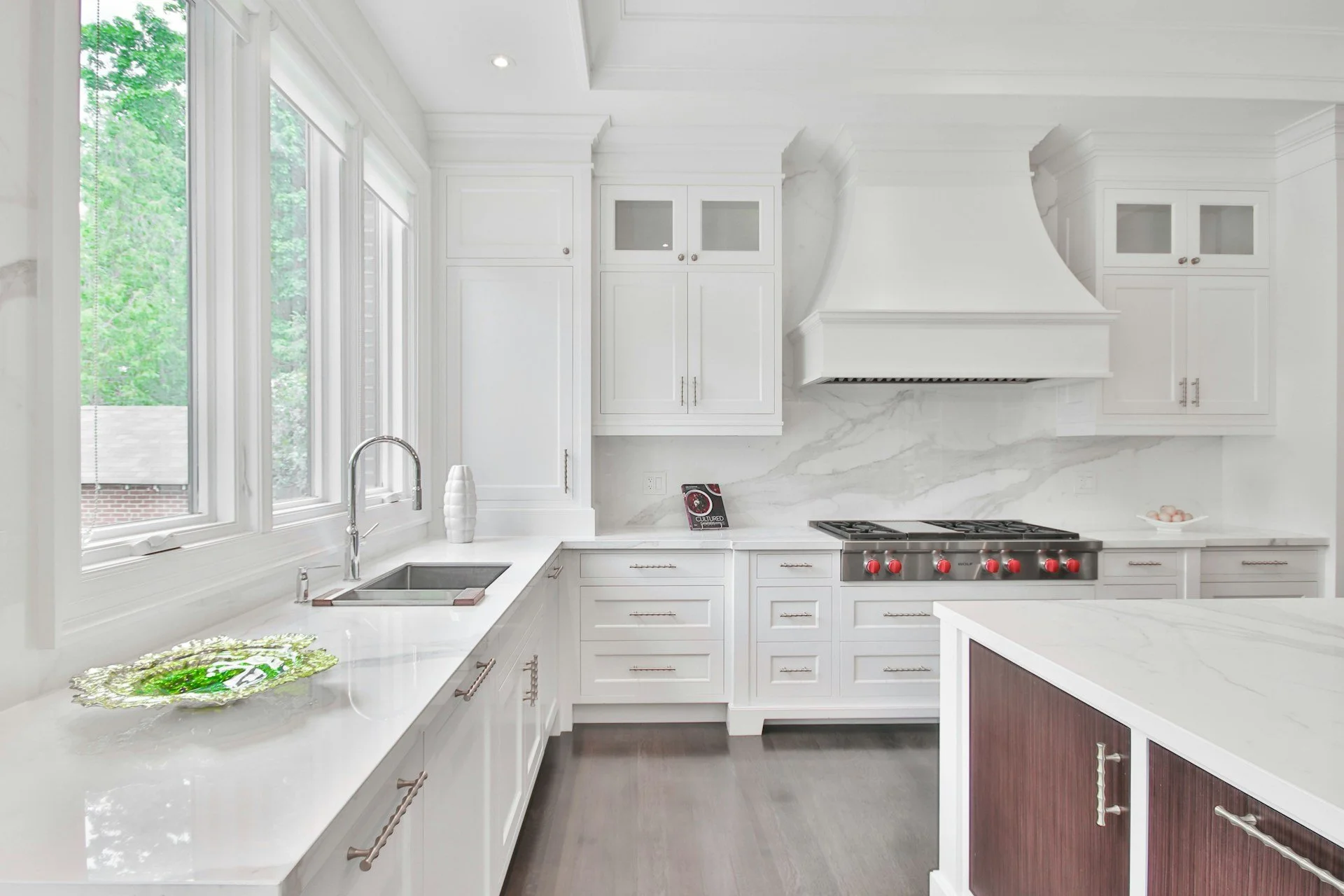
What a Kitchen Remodeling Service Takes Off Your Plate
Remodeling a kitchen can seem exciting at first, but once you get past the fun part of picking colors and finishes, the real work starts. There are measurements, delivery schedules, materials, budgets, and decisions, a lot of them. Before long, that excitement often turns into stress. That’s where a kitchen remodeling service can make a real difference. When you bring in professionals, they don’t just swing hammers or handle the heavy lifting. They take real pressure off your day-to-day by managing the pieces you probably didn’t expect would take up your time.
May is a smart window for remodeling in Northern Virginia. School is still in session, the weather is mild, and summer routine changes haven’t hit yet. If a kitchen update is on your list, this season gives you space to move forward while home life is still manageable. Let’s take a look at what a service actually lifts off your plate, from the first drawings to the dust cleanup.
Clear Planning So You Don’t Have To Guess
When you try planning a kitchen project on your own, it’s hard to know what order to do things in. You might find a tile you like, then realize it doesn’t go with your cabinet choice. Or you may not know which changes require permits or who to call for electrical work.
That’s where planning help matters.
A remodeling service lays out what works with your space, not just what looks good in pictures.
They draw up a plan that fits your timeline and budget, so you’re not doing it in pieces.
You get help picking out materials that make sense with how you actually live, like floors that hold up to pets or counters that handle heat.
This kind of setup keeps you from running into guessing games halfway through. You don’t have to pause the job or backtrack because something didn’t fit or wasn’t thought through. It’s not just about speed, it’s about cutting down on mistakes before they cost you time or more money.
Product Sourcing Without Frustration
Shopping for cabinets, tiles, appliances, and lighting sounds fun until you’re ten pages deep into product specs wondering what actually fits your kitchen. Some things take weeks to ship or have changed sizes since you saw them in person. And if one item shows up broken or wrong, it throws off everything else that depends on it.
A kitchen remodeling service handles that before it becomes your problem.
They order what’s needed, check that it arrives in good shape, and make sure it fits the project.
You don’t need to visit five showrooms to see what works with what, or read dozens of online reviews.
When something is out of stock or delayed, they pivot without losing time.
Instead of getting caught between delivery delays or mismatched finishes, you can step back and know that the pieces will show up when and how they’re supposed to.
Managing Permits, Codes, and Paperwork
Building codes and town permits aren’t something most of us think about until they stall the work. But one missed form or wrong electrical move can mean fines or having to redo part of the job. Each city or county, in places like Fairfax, Arlington, or Alexandria, can have different rules.
A remodeling service knows how to move through that local process for you.
They apply for the right permits before demolition starts.
They work with inspectors and handle scheduling walk-throughs.
If building codes change or need updates, they'll make the fixes during the job, not after.
You don’t have to study the rulebooks or wait on hold with the local planning office. The paperwork doesn’t eat into your workday. Everything moves faster when it’s managed by someone who knows how to keep it above board from day one.
Keeping the Project on Schedule
Kitchen makeovers can quickly stretch out if each part waits on the next. If one worker can’t show up until another is done, you end up with gaps that slow the whole thing down. Without a plan, finish work can drag into summer and make your kitchen unusable for weeks longer than expected.
This is where scheduling matters most.
Remodeling crews line up each step in the right order, so electricians, plumbers, and finish carpenters don’t trip over each other.
When weather or materials cause delays, they shift schedules to stay close to the finish goal.
You get updates so you’ll know what to expect each week, not surprises.
Instead of chasing workers or checking job progress on your lunch break, you're free to focus on regular life without juggling tradespeople.
Making It Livable During the Mess
No matter how well-planned a kitchen project is, living in the middle of it can wear you down. Dust creeps into other rooms. Cooking gets tricky. Pets try to wander into the mess. Without help, keeping things safe and sane at home gets exhausting.
Remodeling pros often think through those parts, too.
They put up dust barriers or close off parts of the house to keep mess contained.
Temporary sinks or cook stations might go up so you’re still able to heat meals.
They suggest ways to store your dishes or tools so nothing gets damaged.
It might not be perfect, but it helps you live with the work instead of letting it break your routine.
More Time, Less Stress: Why It Matters
We know how little things add up during a remodel. From checking shipment emails to coordinating contractors, the to-do list gets long, fast. When that list stays off your plate, you get time back to focus on more important things, your job, your family, or just some quiet.
Letting service professionals handle the pressure gives you space to look forward to the finished kitchen without dreading every part of getting there. You’re not just buying cabinets or tiles. You’re paying for smoother days and fewer headaches.
A kitchen renovation doesn’t have to turn your spring upside down. Done right, it gets started now so summer begins with cleaner routines and one less big thing to worry about.
We Remodel offers a free kitchen remodeling consultation, layout design, and an experienced project manager dedicated to keeping your kitchen renovation on track from the start. Upgrading your kitchen doesn’t have to be stressful or time-consuming. We specialize in guiding Northern Virginia homeowners through every stage of the process, making it easier to balance work, family, and daily life while staying on track. Discover what’s covered in our kitchen remodeling service and get in touch with We Remodel when you’re ready to start planning your transformation.
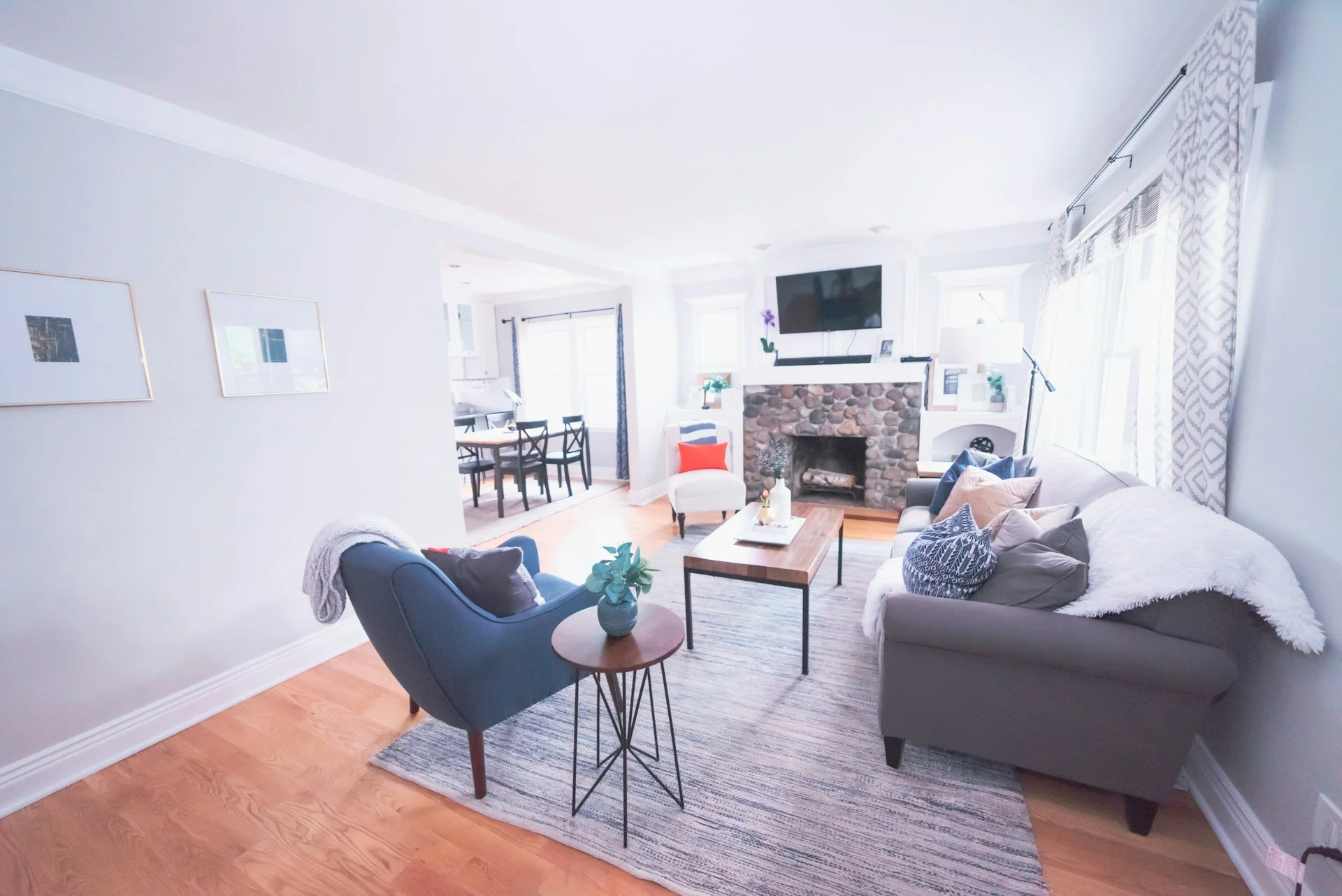
Home Interior Remodeling Projects to Boost Daily Comfort
Comfort at home is more than soft cushions or cozy throws. It’s about whether the space works for your real-life routine, not just how it looks in pictures. When rooms aren’t set up in ways that help you move through the day with less stress, home life starts to feel tiring. May is a good time to get ahead of that, especially in Northern Virginia, when the weather cooperates but summer isn’t yet in full swing. That in-between season is great for tackling projects inside. Interior home remodeling can improve how your home flows and functions, helping it feel quieter, easier, and more aligned with how your day actually works.
Small Fixes That Make a Big Impact
You don’t always need a major overhaul to feel a difference at home. Sometimes it’s the small updates that bring the biggest daily rewards.
Add built-in storage to entryways or hallway corners where shoes and bags usually pile up. A narrow bench or cubbies by the door can turn clutter into something orderly.
Swapping out old doors, trim, or baseboards changes the way a room reads. Fresh edges make spaces feel more finished without touching the layout.
Comfort upgrades like insulated blinds, ceiling fans, or properly sealed windows can help keep rooms quiet, cooler, and more comfortable as the warmer months settle in.
These smaller moves tend to finish faster and cause less disruption, but they still shift the tone of the space in real ways.
Kitchen Layouts That Work Harder for You
When the kitchen doesn’t work, that daily friction shows fast. Making it run more smoothly doesn’t mean starting from scratch. Often it just calls for better use of what’s already there.
Rearranging where appliances sit or how counters are divided can give you better flow between tasks like prepping, cooking, and cleaning.
Many kitchens get overwhelmed by clutter. Adding or moving cabinets, drawers, or open shelves can free up space without needing to knock anything down.
Updating lighting, especially task lighting over work areas, and creating actual seating space at counters or tables invites people into the kitchen without getting in the way.
A kitchen that fits how you really cook and move feels noticeably calmer and more productive.
Bathrooms That Feel More Relaxing
A bathroom doesn’t need to be huge to feel good, but it does need the right layout and materials. The goal is a space that helps you get ready without hassle and still invites you to slow down when needed.
Cramped bathrooms benefit from removing unnecessary walls or rearranging the layout so you’re not bumping into things.
Swapping out harsh overhead lights for something softer or adding better ventilation makes the room feel less like a utility and more like a refresh zone.
Waterproof flooring that feels good underfoot and fixtures that clean easily remove small frustrations you deal with all the time.
When updates work with your habits instead of against them, the space can actually help you start and end your day more smoothly.
Making Unused Rooms More Livable
Many homes have one or two rooms that never quite found their place. Spring is a smart time to decide what those rooms should become before summer busyness sets in.
Basements in Northern Virginia are often overlooked, but finishing one adds real usable space. That might mean a den, a playroom, or just overflow storage that actually works.
Spare bedrooms or corners can become quiet home offices or hobby spaces. Small changes like upgrading flooring or painting walls can shift the feel enough to make them useful.
Lighting goes a long way. Rooms that feel dark or cold often just need better fixtures or natural-toned bulbs to feel welcoming.
Instead of thinking about square footage, it’s more helpful to think about how every area earns its place in your life.
Seasonal Touches That Add Year-Round Comfort
May gives you a head start on the warm months. Now is a good moment to add features that make the house easier to enjoy all summer, and long after that too.
Add ceiling fans, smart thermostats, or updated lighting controls so indoor rooms adjust quickly without becoming stuffy.
A fresh coat of paint in a light, neutral tone can bounce more daylight around during spring and summer, making rooms feel brighter without using more energy.
If a room opens onto the yard or patio, French doors or a new screen setup can help blur the boundary between inside and out while giving you more airflow.
These updates play well with the season, but they also shift how the space works all year long.
Comfort That Lasts Beyond the Season
When a remodel fits your daily routines, the difference sticks with you long after the dust settles. Small layout shifts, smarter lighting choices, or storage that finally handles everything you carry in from the car, those aren’t just design wins. They’re sanity savers.
Spring in Northern Virginia gives you time to plan and make those changes before schedules fill up. Interior changes that focus on actual day-to-day comfort help your home handle life better through every season. And the best part is, once those changes are in place, you’ll feel the difference without having to think about it.
We Remodel offers kitchen and bathroom remodeling, basement finishing, and customized interior upgrades to bring comfort and renewed function to homes across Northern Virginia. Thinking about making your daily life more comfortable? We’re here to help you explore the possibilities. Whether you want a smoother kitchen flow, a more functional bathroom, or a transformed basement space, the right changes can truly improve your home. For homes in Northern Virginia, now is an excellent time to start planning meaningful updates. Explore your options for interior home remodeling to spark ideas and inspiration. When you're ready to talk through what fits best for your home, reach out to We Remodel.
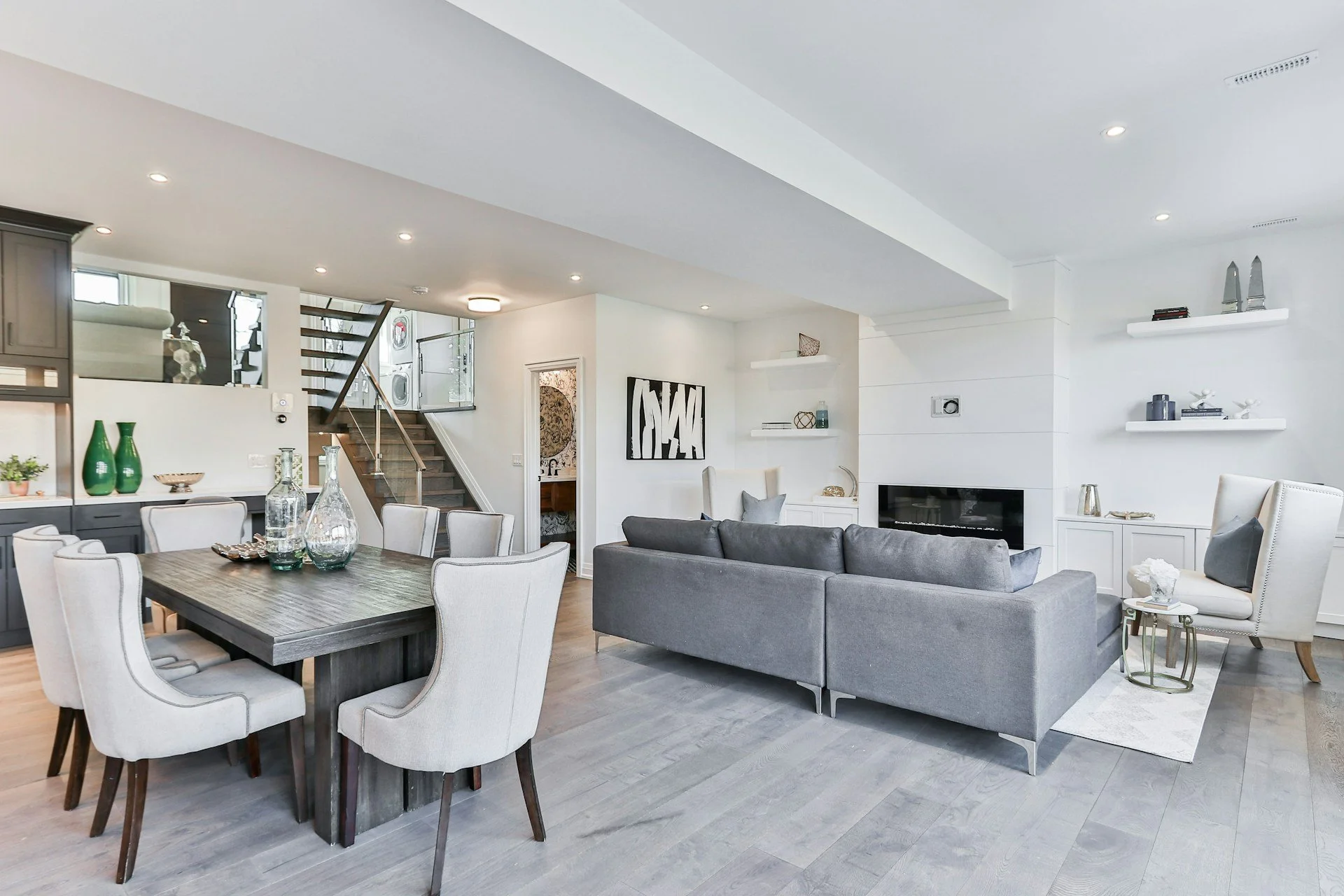
What Counts as an Interior Home Remodel Project
An interior home remodel usually means changing something inside your home that affects how you live day to day. It can be a full kitchen upgrade, a better bathroom setup, or even just fresh floors and lighting. It’s more than paint or decoration. It’s about making your space work better for how you live in it.
Spring is when many homeowners in Northern Virginia start thinking seriously about these projects. The weather is steady, the days feel longer, and the summer rush hasn’t hit yet. It’s a good time to look around and think, “What inside my home could work better?” That question is the heart of every interior home remodel.
Understanding What Interior Remodeling Includes
Interior remodeling usually happens inside your walls, with updates that affect your comfort, how the house feels, or how you use certain spaces. These are the projects that shape the daily experience of living in your home.
Kitchens and bathrooms are the most obvious. They’re used every day, and even small changes make a difference.
Flooring updates, like switching from carpet to hardwood or tile, fall into this category too.
Things like drywall repair, new room layouts, lighting rewires, and insulation work also count.
Some homeowners wonder where the line is between interior and exterior work. Roofing, new siding, patios, and landscaping fall outside the interior category. Though they bring different benefits, they don’t affect the day-to-day feel of your living space the same way. An interior remodel leans more into comfort, storage, layout, and use of natural light and airflow inside your walls.
Rooms that Often Lead the List
Certain rooms seem to always rise to the top of the remodeling list, and for good reason.
Kitchens are often first because they’re the center of the home. Upgrades might include new cabinets, reworking island space, or better lighting and storage.
Bathrooms are next. Over time, fixtures get harder to keep clean, layouts stop making sense, and a refresh makes a big impact.
Basements in Northern Virginia often get attention in spring. Homeowners want usable space before summer gets busy, and finishing a basement is a great way to add square footage without an addition.
Each room has its own reasons for being remodeled. But the common threads are better use, easier upkeep, and a space that fits your actual needs, not just the original design.
Updates That Count Even If They Seem Small
Interior remodeling doesn’t always mean gutting a room. A lot of changes that count as remodeling are smaller, more focused upgrades.
Swapping cabinet doors or drawer pulls can freshen up a whole kitchen without tearing anything out.
Changing out overhead lights for recessed lighting, or adding dimmers and new switches, helps a room feel more current and work better for different times of day.
Utility areas like laundry rooms can get mini-makeovers that improve function. Think better storage, new counters, or moving plumbing slightly to make space for new machines.
Even without big construction, these kinds of projects are part of what we call interior remodeling. They improve how a space feels and how well it works.
When a Redesign Becomes a Remodel
There’s a tipping point between redecorating and remodeling, and it helps to know when you’ve crossed it.
Rearranging furniture or adding a new rug is redecoration. Painting some trim or putting up curtains is too.
But when you remove or build walls, reroute plumbing, change the layout, or rewire outlets, you’re remodeling.
Some spring projects, like converting a little-used den into a home office, start small and grow. Needing more outlets, better light, or a custom desk might nudge the project into remodeling territory.
The minute your updates affect how the home is built or wired, it’s time to treat the job as a remodel. That brings different planning needs, probably permits, and definitely more decisions. But it also helps you build a space that truly works the way you want it to.
Changes That Reflect Seasonal Shifts in Northern Virginia
Spring is the start of fresh air, open windows, and more daylight. Many remodel plans meet that moment.
If a space feels dark or stuffy during warmer months, now’s a good time to add larger windows or rework airflow.
Upgrades that help with cooling, like ceiling fans, reflective blinds, or new window treatments, are ideal before summer kicks in.
April and May are often considered the shoulder season. That means it’s warm enough to work but not yet booked out like summer. Planning ahead gives you a smoother experience and better timeline control.
Taking stock now means fewer headaches later when the outdoor heat arrives and schedules tighten.
What Matters Most When Planning Changes for Inside
Most of all, an interior home remodel should make your home more livable over time. That might mean better flow in a cramped kitchen, storage where you’ve never had enough, or a room that finally meets your family’s needs.
We always suggest starting with how you actually use each room.
Where do you spend the most time?
What slows you down or stresses you out in those spaces?
What do you want to feel when you walk into the room?
When you plan updates based on how you live now, not how the home was originally set up, you’ll end up with results that feel both practical and personal. That’s the goal of every good remodel: a space that supports your everyday life without getting in the way.
We Remodel offers kitchen and bathroom remodeling, basement finishing, insulation, lighting upgrades, drywall repair, and custom layouts for homes in Northern Virginia. Spring is the perfect season in Northern Virginia to refresh your home and make it work better for your lifestyle. Whether you want to improve your layout, add smart storage, or bring in more natural light, updated spaces can make daily life easier and more enjoyable. If your plans include a kitchen, bathroom, or basement upgrade, your project will likely fall under an interior home remodel. Contact We Remodel today to start the conversation about your home’s potential.

Where to Start with Home Remodeling in Virginia

As spring settles in across Virginia, it’s natural to start looking at your home a little differently. Bright sunlight, fresh air, and longer days reveal what winter may have hidden, spots that feel tired, areas that never really worked well, or rooms that now seem overdue for a change. If you’ve been thinking about home remodeling in Virginia but aren’t sure where to start, the answer might be simpler than you think.
Instead of trying to tackle everything at once, we like to start with a clear look at how the home works right now. Remodeling doesn’t always have to be about dramatic transformation. Often, small shifts make a big difference when they’re based on daily life. Starting smart means you can move forward with less stress, better timing, and more certainty about what really matters.
How to Look at Your House with New Eyes
We always suggest taking a slow walk through the space before planning any changes. There’s something helpful about seeing rooms without distractions. Try noticing the things you usually ignore.
Are there spots where you naturally avoid spending time?
Do you bump into furniture often or feel like items don’t have clear storage?
Does the lighting feel dim in some rooms and too bright in others?
We often remind ourselves that how a room feels in winter is different from how it feels in spring or summer. What seemed fine in the colder months, like heavy curtains or crowded corners, might not work now that the weather is warm and more light fills the rooms. This is a good time to reassess what actually supports your day-to-day life and what’s just in the way.
Start with What’s Not Working Right
Some things may be easy to overlook during winter because they blend into routine. But as spring shows up, those details become more obvious. Look for signs of wear that you’ve gotten used to.
Drafts around windows
Peeling paint on baseboards or trim
Stains or cracks that weren’t there last year
These might not seem urgent, but they’re clues that something isn’t working. We pay special attention to kitchens, entryways, and family rooms, places where movements happen constantly. These spaces shape the pace of the day. When they’re not flowing well, the whole house feels it.
This is where practical updates make the most sense. Fixing small layout problems, changing a door swing, or updating worn floors improves comfort and energy without needing a total makeover.
Plan Around Your Life, Not Just Looks
It’s easy to fall in love with a style or trend, but design choices should support how a family actually lives. Remodeling works best when it responds to real needs, not just nice photos. That means asking honest questions about what works and what doesn’t.
Do you need more storage for growing kids or aging parents moving in?
Does your work-from-home setup make sense or is it still temporary?
Are there spaces that need to be quieter, brighter, or easier to clean?
We also ask how long you plan to live in the house. If it’s the long haul, it’s worth investing in solutions that grow with your needs. If it’s shorter term, picking improvements that boost comfort without changing everything might be smarter. Either way, letting your routines guide your choices helps the home feel like it fits, not just looks good.
What Can Wait Until Later
Not every update needs to happen right away. Once you know what matters most, it becomes easier to sort the “now” from the “later.” This helps keep projects smaller, cleaner, and less expensive, not just financially but mentally too.
Think about projects like:
Painting guest rooms
Installing custom shelving in closet corners
Replacing light fixtures in infrequently used spots
We like to group those together and save them for when larger updates are done. Small things are easier to do when the big changes are already in place. Working in phases gives you room to breathe and adjust along the way.
It also helps you enjoy the upgrades as they happen. Remodeling becomes a process, not a disruption, and that mindset can turn the work into something much more rewarding.
Avoiding Outside Problems That Show Up Inside
Spring weather can sometimes bring surprises that aren’t so welcome. That’s why we always check for signs of water issues, especially in older homes around Northern Virginia. The freeze and thaw pattern of winter often hides small problems that grow larger come spring.
You might notice:
Damp patches near basement walls
Musty smells in corners or closets
Exterior paint that’s starting to bubble or crack
These little signs can mean there’s trouble outside making its way in. That might include clogged gutters pushing water toward the foundation, or attic insulation that shifted during winter and is now letting warm air escape.
We’ve found that solving the inside often means looking just beyond it. Having the attic, crawlspace, and window casings checked during this season helps prevent deeper problems before summer storms hit.
Keep Progress Simple and Focused
The most useful remodeling plans are built in steps. Often, it starts with solving a few important problems, watching how that feels, and then moving from there. We believe in keeping your first goals simple.
Fix layout issues that interrupt daily life
Improve comfort in rooms used most often
Save aesthetics and add-ons for later when the foundation is stronger
When you focus on progress instead of perfection, decision-making becomes easier. A few smart changes can help your house feel more open, restful, and functional all at once. And when each update works together, your space becomes something that lives better day by day.
At We Remodel, our remodeling services include kitchens, bathrooms, additions, and basement finishing to help homeowners across Northern Virginia create comfortable, functional spaces. Transform your home into a space that truly fits your lifestyle with We Remodel. Our team focuses on design solutions that adapt as your needs grow, not just passing trends. Whether you’re considering a few updates or a major renovation, we provide the expertise to make your home more comfortable and functional. Ready to get started with smart, thoughtful home remodeling in Virginia? Connect with us today to plan your next steps with confidence.
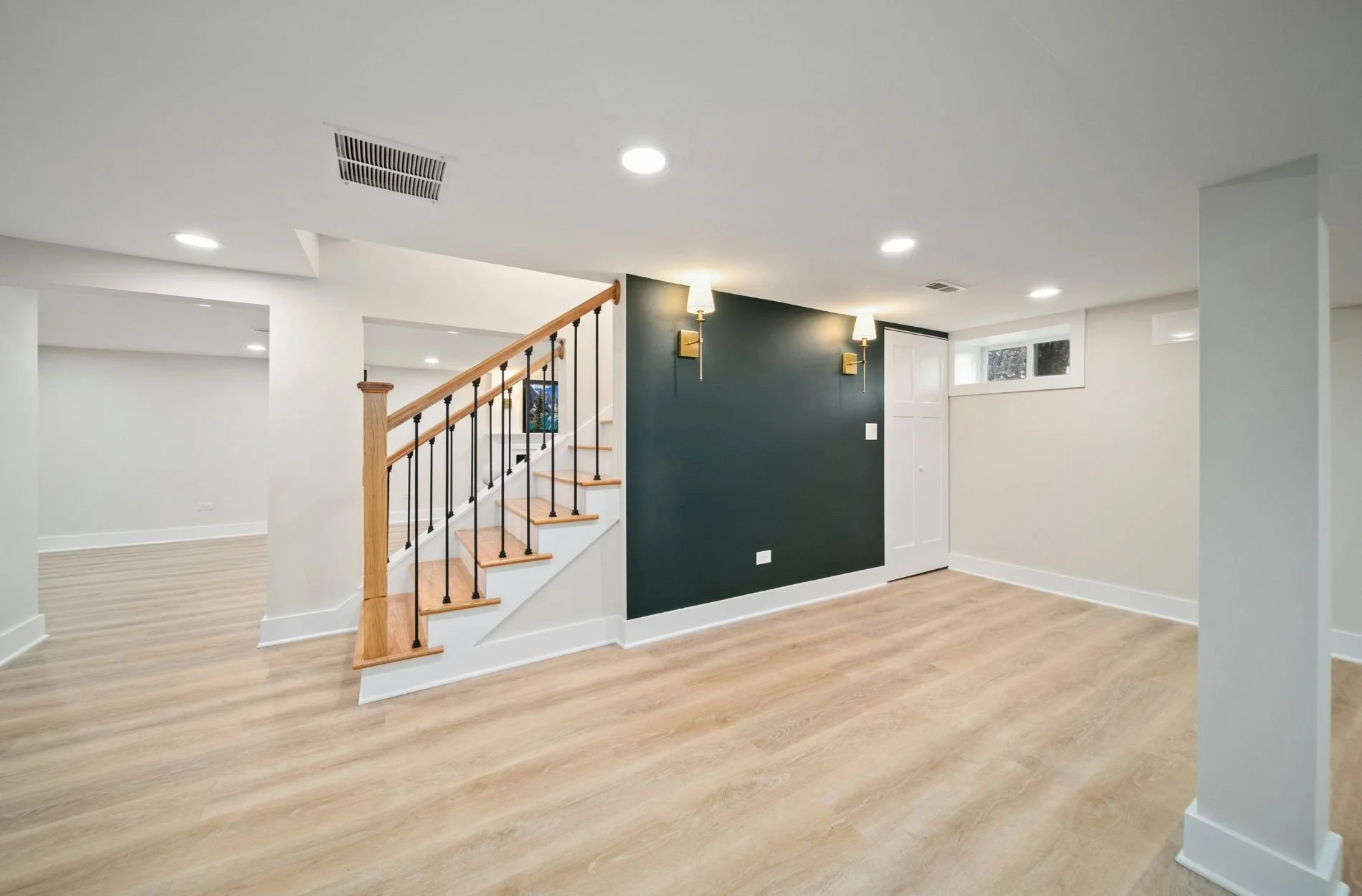
Home Remodeling Services That Go Beyond Cosmetic Changes
Spring tends to bring a burst of energy, and for many homeowners in Northern Virginia, that means it’s time to think about how their homes really function. Not just how they look, but how they work. A fresh coat of paint or new flooring might improve appearances, but the deeper value of home remodeling services comes from what happens behind the walls and beneath the surface.
Real change happens when a layout finally makes sense, when everyday issues stop piling up, or when a house starts to meet new life needs. It’s not just about updating outdated finishes. It’s about reshaping how a space feels and adapts to the way people actually live.
Improving Layouts That Don’t Fit Daily Life
Some homes just aren’t built with today’s routines in mind. We've seen plenty in Northern Virginia with tight doorways, split-level kitchens, or staircases that break up the flow. These quirks may have charm, but they can slow down an otherwise busy day.
A remodel offers the chance to rethink how rooms connect. That might mean:
Opening up shared spaces so people can move more freely without bumping into furniture.
Shifting doorways to improve the natural flow between rooms.
Changing how people enter and leave high-traffic areas like family rooms or kitchens.
We Remodel specializes in custom design-build remodeling that solves layout issues and enhances space efficiency, helping each home truly fit the needs of Northern Virginia families.
When the layout starts working with instead of against you, it changes how the space feels. Fewer tight corners. More breathing room. A setup that makes daily life feel more natural instead of like something you're always working around.
Sometimes, it’s not just about moving walls or enlarging spaces. It might also involve widening a hallway, relocating a staircase, or even lowering a floor to improve headroom and flow. All these changes are designed to help families move more comfortably at home. We spend time understanding how each room is currently used, then work to create a plan that fits those everyday routines instead of forcing them into a space that doesn’t quite work.
Solving Long-Term Maintenance Issues
One of the less talked-about parts of remodeling is how it reveals problems that would’ve gone unnoticed otherwise. Things like crumbling insulation, brittle wiring, or ancient plumbing don’t always show their age until walls come down.
We look at remodeling as an opportunity, not just to fix these problems, but to stop the cycle of patchwork repairs.
Updating older systems during remodels saves the trouble of big, sudden breakdowns later.
New materials last longer, which means fewer disruptions in the long run.
Fixing deeper issues now helps protect future improvements from needing early repairs.
It’s hard to enjoy a new kitchen when the pipes under the floor are lined with years of patchwork fixes. Getting ahead of the wear and tear is one of the smartest moves to make when upgrading a home.
We also consider installing better insulation, energy-saving windows, and improved ventilation as part of the process. These upgrades help prevent new troubles from popping up after the work is done. By addressing these problems head-on during remodeling, families gain peace of mind and spend less time worrying about those invisible issues under the floor or in the walls.
Updating for New Life Stages or Uses
Home needs shift over time. What worked five years ago might not make sense anymore. Maybe there's a new baby, a parent moving in, or the need for a quiet home office. Whatever the reason, houses can struggle to keep up, unless they’re adapted.
Remodels make it easier to make room for the stage you're in now:
Closed-off rooms can become home offices with real doors and privacy.
Basements can be turned into functional guest suites for longer stays.
Wider entries or flexible layouts can help families welcome aging relatives without needing to move.
We Remodel offers in-home consultations to help homeowners plan updates that match changing family needs, whether it’s an accessible bathroom or a finished basement for guests.
It’s also common for growing families to need multi-use spaces that switch from play areas to study zones. Over time, a small den might need to become a bigger laundry room, or a guest bedroom might transform into a nursery. We pay close attention to your specific changes and suggest ways to update your house to better handle them.
Life never stands still for long. It helps to have a house that can change with it, instead of working against what's next.
Boosting Everyday Comfort with Smart Materials and Design
Comfort doesn’t always mean big changes. Sometimes, it’s the small stuff, like a breeze through a new window or flooring that doesn’t creak every time someone walks by at night.
Well-chosen materials and thoughtful layout tweaks can bring homes way closer to how people really want to live:
Adding windows or adjusting wall placement can welcome in more natural light.
Replacing older doors improves airflow and makes rooms feel less closed off, especially as spring turns to summer.
Swapping in materials built for busy lives, scratch-resistant counters, easy-to-wipe tiles, cuts down cleaning stress.
Sound-dampening finishes or smart flooring choices help keep peace around the house.
These aren't showy changes, but they make a big difference. When upgrades match your routines, the home starts doing more of the work for you.
We also look for ways to reduce noise and draftiness with smart door seals, better window placement, or improved insulation. Choosing more durable flooring and easy-to-clean counters can make daily chores less of a burden. Sometimes a simple fixture change gives a room the kind of light you actually need, morning or night. All of these details add up, turning everyday routines into smoother, more comfortable experiences.
A Home That Works Better Every Day
We’ve worked on plenty of houses, and the ones that feel best in the end aren't just the ones that look fresh. They’re the ones where daily life got easier. Where storage is finally where you need it, sunlight lands in the right places, and rooms match the rhythm of the people who live in them.
The big wins often come from the changes no one notices at first. A door that opens the right way. A wall that’s no longer in the way of conversation. Less noise. More light. Better flow. Home remodeling services should do more than improve appearances, they should make everything feel easier from the time you wake up until the lights go out. That’s when we know the work was worth it.
Building on that, spring brings the perfect moment to start thinking about these upgrades. Increased light and warmer weather mean you get to experience your house in a new way. Even if your to-do list feels long or you don’t know where to start, small steps can add up to major comfort gains over time.
Spring is a great time to improve your home's comfort and functionality. We help Northern Virginia homeowners address issues like room flow and eliminate daily annoyances with thoughtful, lasting solutions. Our approach to home remodeling services puts your needs first from concept to completion. Let We Remodel guide you in making meaningful changes that truly enhance your everyday life.

When Should You Use a Home Remodeling Service
We hear this question a lot: when do you actually need to use a home remodeling service? It’s not always about damage or something falling apart. Sometimes, it’s about comfort, layout, timing, or just feeling like your space no longer works for how you live.
With spring settling in around Northern Virginia, this is the season when people start rethinking rooms they’ve been stuck inside all winter. We begin noticing what needs more light, what feels too cramped, and what just doesn’t serve its purpose anymore. Planning ahead means fewer headaches later. When we line up projects early, we stay out in front of delays and get work done before summer distractions arrive. The right time to remodel isn’t just about what’s broken. A lot of it comes down to what’s no longer working for you.
Deciding Based on Seasonal Timing
Every season has its advantages, but not every job fits every time of year. April is one of the better months to plan interior finishes or prep for bigger summer builds. The weather’s more steady now, and we’re not dealing with freezing ground or heavy snow.
If you’re thinking about a deck, room addition, or outdoor kitchen, this is the time to get drawings and permits out of the way.
Materials like windows, doors, and fixtures can take longer to arrive, so placing orders early helps keep things moving once summer starts.
Certain jobs like roof work or full siding updates still need mild days, and spring offers a sweet spot before humidity climbs up.
Waiting until June or July can mean longer lead times and busier schedules. When we plan in early spring, it gives us more room to manage delays, sort through selections, and get on calendars before things back up.
When the Layout No Longer Works for You
Your house might be in great shape, but that doesn’t mean it fits your life. We’ve worked in homes where the layout made daily routines feel harder than they should.
Maybe the kitchen is cut off from the rest of the living space, or entryways are too tight for strollers or gear.
Maybe the laundry’s in the basement, and that’s starting to matter more as stairs get harder.
Sometimes rooms feel fine alone but don’t connect well when the whole house is in use.
This happens a lot in older houses across Northern Virginia where floor plans weren’t designed for open flow or changing family needs. We look at what can be opened, moved, or adjusted so that spaces support the way people actually live and move through the house today.
Noticing Signs That Repairs Aren’t Enough
At some point, small fixes stop making sense. If we’re patching the same ceiling over and over, or if parts of the floor feel soft, we might be ignoring a larger problem.
Drafts that never seem to go away
Floors that slope more than they used to
Warped cabinetry or cracked tile that keeps coming back
These signs often point to hidden issues like bad insulation, old wiring, or water damage. That’s when a bigger solution needs to be on the table. A home remodeling service allows us to find what’s really going on behind the walls, not just cover up symptoms. That makes sure changes last and match what a house really needs, not just what looks better at the surface.
Planning for a Change in Lifestyle or Purpose
Life doesn’t stand still. We hit a point where we need our homes to serve a new purpose. Remodeling doesn’t just happen when something breaks. It also happens when we want better from the spaces we already have.
Maybe someone’s now working from home and needs more than the dining table.
Maybe a parent is moving in, or a teen needs more independence.
Maybe the kids are grown, and it’s time to reclaim space for hobbies, guests, or storage.
We’ve seen how a finished basement or a closed loft can change daily comfort for the better. The earlier we plan for those changes, the smoother the whole project runs. Nobody wants to be rushing into a renovation just because something suddenly shifted at home.
Making the Most of Your Investment Over Time
Not every remodel is about now. Sometimes it's just about laying groundwork for later. That can mean designing for energy savings, better flow, or long-term convenience. Working smarter on a house now often helps avoid tougher repairs later.
Updating older systems now can avoid costly fixes just a few winters down the road.
Rethinking layout can stop the constant furniture shuffle or temporary workarounds.
Picking materials that match how a household really lives can make upkeep simpler every day.
Well-timed updates can help a home feel better and work better season after season. When we look at how rooms get used across the year, it makes long-term planning easier. And it increases the chance that the house will still feel right three, five, or even ten years down the line.
Feel More at Home Now Than Ever Before
Using a home remodeling service doesn’t need to mean a huge overhaul. Sometimes, it means starting with clear plans and knowing what your long-term needs really are. We’ve seen how even small layout fixes can make big changes feel doable.
The goal is to help the home fit the life you’re living now. When everything flows better, when the light finally gets into that dark hallway, or when you stop needing to work around that one awkward corner, things just feel easier. Remodeling at the right time isn’t only about fixing problems. It’s about finding comfort in the house all over again.
We Remodel offers a free consultation to discuss your goals, review space options, and map out a customized plan for your project. Our remodeling services in Northern Virginia include kitchens, bathrooms, additions, and basement finishing, focusing on what matters most for your comfort and daily living. At We Remodel, we believe a well-timed update can make everyday living easier and more enjoyable. When your home no longer fits how you move or work through the day, it’s worth revisiting the layout and function of your space. Taking the next step doesn’t always mean a full overhaul, as it just takes the right plan and the right crew to help it feel like it should. Ready to rethink your space? Our home remodeling service is here to help. Let’s talk about what’s working, what’s not, and what comes next.
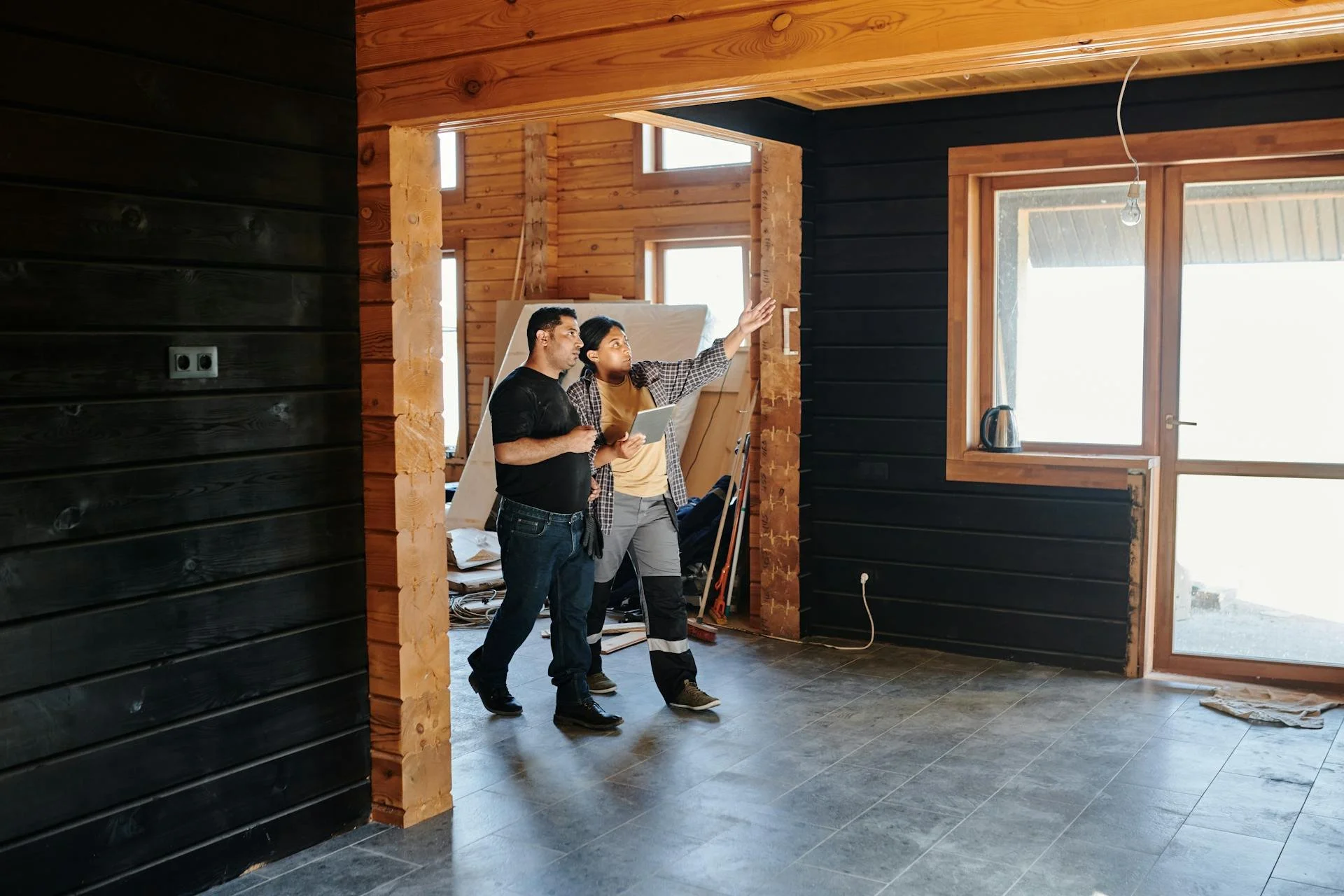
Mistakes to Avoid in Home Remodeling Projects in Leesburg VA
Starting a home remodel can feel like the beginning of something exciting. There’s the vision, the fresh upgrades, and the thought of better day-to-day living. But as anyone who’s been through a remodel knows, even small mistakes can turn what should be a rewarding process into a stressful one. That’s especially true during spring, when many homeowners in Leesburg, Virginia, decide it’s time to take on those long-planned updates.
To help keep the season on track, we’re looking at a few things that often go wrong when people start home remodeling in Leesburg, VA, and how to steer clear of them.
Skipping the Planning Stage
When you're ready for change, it’s tempting to jump in fast. But rushing into remodeling without a solid plan is where problems usually start.
People often start without thinking through how they’ll actually use the space. A kitchen might look good on paper but still feel tight during busy mornings.
Measurements get overlooked, too. One wrong number, and suddenly the fridge door hits a cabinet or the new sofa blocks a walkway.
The cost of major layout changes catches people off guard. Moving walls or reworking plumbing may seem like part of the plan, but those steps add time and money quickly.
Detailed planning up front helps avoid delays and hard resets later. That includes measuring carefully, talking through how each space will function week to week, and knowing what structural changes really cost. There is a big value in considering how each room fits into your daily life and making sure those ideas end up in the plan.
Without a full plan, it’s easy to forget things like power outlets, lighting, or keeping clear paths between rooms. Even the simple details, such as where your trash cans will go, make a difference in how your space works every day. Double-checking every step in the planning stage gives you a smoother project later.
Choosing Style Over Function
We all get pulled in by nice finishes and design trends, but choosing looks over how your space works can cause headaches long term.
Flashy design elements don’t always match real life. Slick floors that show every footprint or open shelving that ends up cluttered are common regrets.
Forgetting traffic flow and storage space is another issue. A room should feel good to move through and still have a place for everything.
People get excited about tile choices or paint colors before locking in layout or lighting plans, which makes it harder to adjust later.
It helps to focus first on the bones of the project. Good flow, smart storage, and lighting that works with your daily routine make a bigger difference than trendy materials. Thinking about how a room will be used at different times of the day, and by different people, helps prevent features that lose their appeal over time.
Before locking in design choices, take a step back and ask if each feature will hold up to daily routines. Prioritizing comfortable movement through each room and making sure storage fits your family’s needs can lead to spaces that look good and work well. Style is important, but it’s the flow and function that determine whether your finished remodel stands the test of time.
Hiring the Wrong Help or Taking on Too Much Alone
Choosing the right people matters as much as choosing the right layout. And for those trying to do it all themselves, the process can get overwhelming fast.
Letting someone start work without checking their past projects or credentials can lead to messy results or unfinished jobs.
Trying to line up permits, inspections, trades, and timelines without experience takes more effort than expected.
What starts as a weekend project can take over full schedules and drag on if problems show up along the way.
Even if it sounds doable at first, managing every piece of a remodel takes time and steady coordination. Having the right support makes all the difference. Remodeling projects can have many moving parts, from deliveries to inspections, and each step relies on the last one going well.
A trusted professional often has experience managing surprises and knows how to keep the process on track. Taking the time to research and select quality helpers and being realistic about the work you can handle alone brings peace of mind and steady progress.
Changing Your Mind Mid-Project
A little flexibility can be helpful during construction, but shifting too much once the work begins often creates delays, cost jumps, or mismatched outcomes.
Adding design changes or swapping materials partway through can push deliveries back or require redrawing plans.
It’s easy to get distracted by new trends or upgrades, but straying from the initial plan usually derails scheduling.
Something as simple as picking new hardware late in the game can cause mismatches or backorders that hold up installation.
Sticking with a well-thought-out plan not only saves money but also helps everything feel tied together in the final result. Sometimes new ideas pop up when construction begins, or you see a feature you want to add, but thinking through those changes carefully, and discussing them with your project manager before moving forward, can keep things running smoothly.
Keeping a written list of final decisions and being clear about what’s already been set helps everyone stay focused. It can be tempting to make last-minute adjustments, but too many changes can create confusion and increase costs.
Ignoring Local Conditions and Timing
Leesburg mornings can be chilly even in spring, and that has a real effect on how and when certain parts of the job get done.
Demo and framing should take weather into account. Too much rain or leftover frost can slow progress or create new issues during outdoor work.
HOAs and neighborhood rules may require extra steps before changes can begin. Missing one of these can delay your start date or put your approval at risk.
Picking materials without local weather in mind means they might peel, warp, or wear faster than expected.
The timing of the remodel matters too. Starting in early spring leaves a better window for outdoor upgrades and gives room to meet your goals before summer heat or seasonal travel plans kick in. Planning for local weather changes or busy seasons in Leesburg ensures your schedule stays on track.
Keep weather in mind for exterior projects such as painting, decking, or new windows, since temperature and moisture change how materials hold up long term. Checking in with your community’s approval process and staying informed about local guidelines helps prevent annoying holdups.
Avoid Headaches and Build with Confidence
Home remodeling in Leesburg, VA goes smoother when we take the time to think through each step before we begin. Mistakes aren’t always huge or obvious at the start, but they tend to snowball fast once schedules and materials are in motion.
We Remodel provides a free in-home consultation to review your project, discuss layouts, and answer design questions, making sure everything is in place before work begins. We’re experienced with home remodeling in Leesburg, VA, and our process includes handling permits, inspections, and contractor coordination from start to finish.
A clear plan, realistic expectations, and strong communication can help protect your investment and your peace of mind. When all those pieces come together, the end result doesn’t just look the way you hoped, it works well for your daily life from the start.
At We Remodel, we understand that thoughtful planning and local expertise can make your home transformation smooth from start to finish. Thinking about optimizing your living space this season? Our team is ready to help create a solution that suits your needs, whether it’s updating your layout or enhancing natural light. Let’s discuss your vision for home remodeling in Leesburg, VA. Call us today and find out how we can support your project.
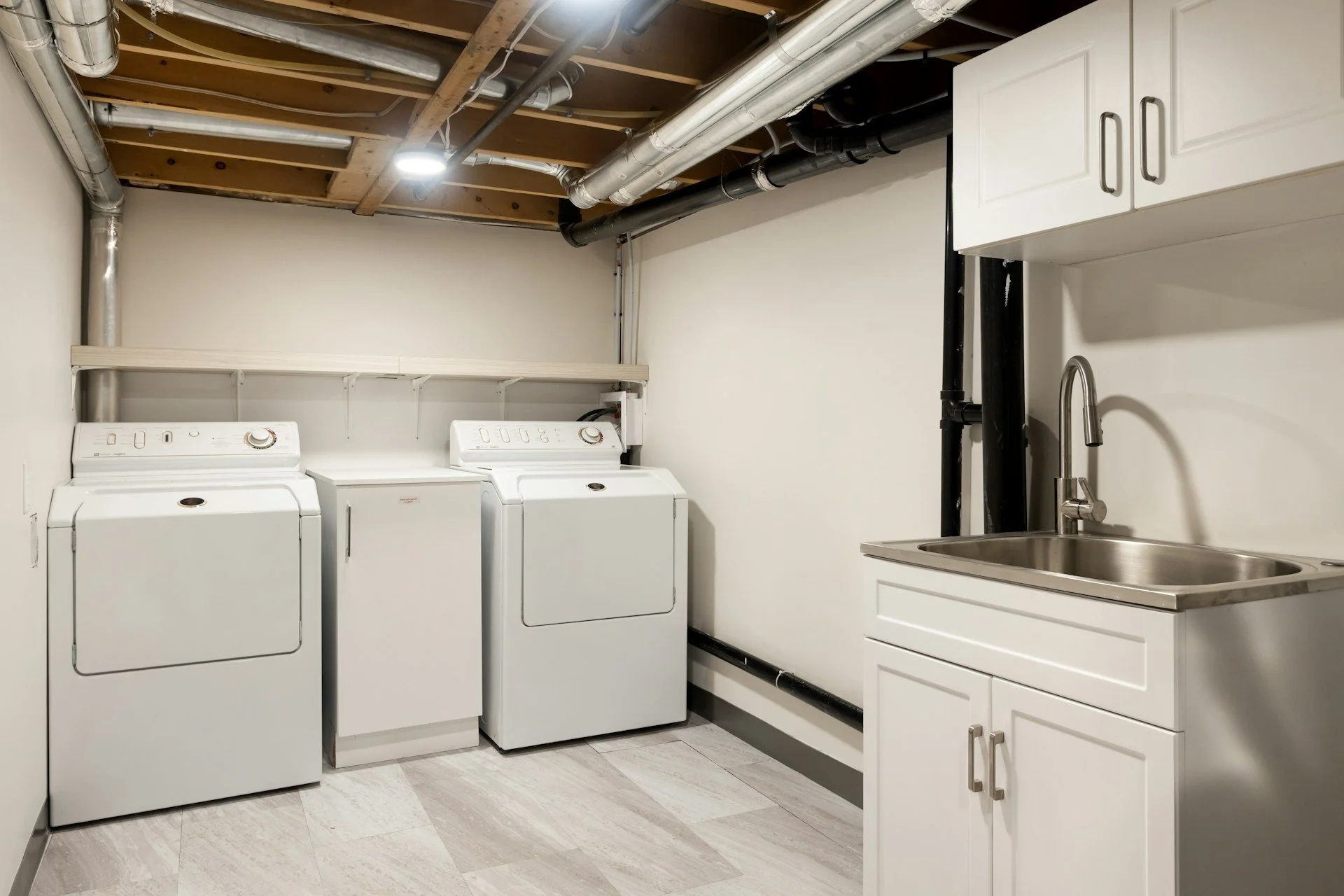
Top Tips for Solving Common Basement Moisture Issues
Basement moisture issues are a common headache for many homeowners. Whether it's due to heavy rainfalls or poor insulation, these problems can turn a usable space into an uncomfortable and possibly unhealthy area. In Northern Virginia, where weather conditions can vary, addressing basement moisture is more than just a seasonal task; it's key to creating a cozy and livable environment. Imagine having a basement that stays perfectly dry all year round, ready to use for extra living space or storage.
With practical solutions and a bit of know-how, you can tackle these moisture problems head-on. Focusing on the root causes and viable solutions can transform your basement from a damp and dreary spot into a warm and inviting part of your home. Let's explore some insights that can help keep your basement dry and ready for all kinds of activities, no matter the time of year.
Identify the Sources of Moisture
Understanding where the moisture in your basement comes from is the first step in solving the problem. Most issues stem from leaks, condensation, and poor drainage. By identifying these sources, you can focus on the right strategies to combat them effectively.
Here’s how you can spot the common causes of basement moisture:
Leaks: Check for any signs of water seeping through cracks in the walls or floor. The presence of stains or peeling paint can be telltale signs of leaking issues.
Condensation: Notice any dampness on the floor or walls, especially during hot or humid weather? This could be due to condensation, often caused by poor ventilation.
Poor Drainage: Look at the area surrounding your home. Pools of water after rain may indicate improper leading away from the foundation, which requires prompt attention.
By carefully observing and diagnosing these sources, you lay the groundwork for addressing basement dampness more effectively. Being proactive can prevent bigger issues like mold growth and structural damage, ensuring your basement remains a safe and pleasant area for use.
Improve Basement Ventilation
One simple yet highly effective way to reduce basement moisture is by improving ventilation. Proper airflow helps reduce the buildup of dampness, making the space more comfortable and less prone to mold and mildew.
Here are some straightforward tips to enhance basement ventilation:
Install Exhaust Fans: This helps pull moist air out and replaces it with fresh air, a quick fix for reducing humidity levels.
Use Dehumidifiers: These devices can work wonders in damp basements. They're designed to remove excess moisture from the air, making the environment much more pleasant.
Open Windows When Possible: If your basement has windows, letting in fresh air can help maintain a dry atmosphere. Even a little natural air circulation goes a long way.
Ensure Your HVAC System Is Working Properly: Your heating, ventilation, and air conditioning (HVAC) system plays a significant role. Regular maintenance can keep airflow consistent throughout the house, including the basement.
These adjustments not only help in keeping the basement dry but also improve indoor air quality. By ensuring your basement remains well-ventilated, you're taking an essential step toward preventing moisture issues from returning.
Waterproofing Solutions
A key step to keeping basement moisture at bay is implementing effective waterproofing solutions. Different methods can cater to specific needs, ensuring that your space remains dry no matter the weather outside. Let's explore a few proven techniques that can transform your basement into a harm-free zone.
Seal Up Cracks: Start by applying waterproof sealants to any visible cracks in the walls or floors. Sealants act as a barrier, preventing water from finding its way inside.
Install a Sump Pump: If your basement tends to flood during heavy rain, a sump pump can be a game-changer. It collects and diverts water away from your home, keeping the area dry.
Add Exterior Drainage Systems: Ensure proper drainage around your property by installing French drains or gutters. Proper drainage redirects water flow away from the foundation, which helps in maintaining a dry basement.
These methods not only create a more secure barrier against moisture but also give you peace of mind knowing that your basement is protected. Implementing these solutions might require some investment, but the rewards will be worth it for the long-term resilience they provide.
Regular Maintenance Tips
Staying on top of regular maintenance is like giving your basement a health check. It ensures that everything is running smoothly and helps prevent moisture problems from sneaking back uninvited. Here are a few practical tips to help keep your basement in great shape:
Inspect Gutters and Downspouts: Make sure they're clean and directing water at least five feet away from the house.
Check for Foundation Cracks: Regularly walk around your basement and look for any new cracks that need attention.
Ensure Proper Landscaping Slopes: Ground around your home should slope away, discouraging water from pooling around the foundation.
By making these checks a part of your routine, you can tackle small issues before they turn into bigger headaches. It's all about being proactive so your basement remains a dry and enjoyable space.
Creating a Dry and Usable Space
With moisture under control, it’s time to think about how to transform your basement into a welcoming part of your home. Instead of it being just a storage area, consider turning it into a comfy living room, home office, or even a playroom. Choose materials that stand up well to moisture, like tile or vinyl flooring. They are durable and easy to maintain.
You might want to add some cozy touches, like soft lighting or inviting furniture, to make the space feel warmer and more inviting. Consider incorporating built-in storage solutions to maximize the area without adding clutter. Your dry basement can become a blank canvas for creativity and functionality, making it a valuable extension of your living space.
By addressing moisture issues and planning thoughtfully, your basement can transform from a problem area into a vibrant part of your home. It’s all about seeing beyond the dampness and envisioning what the space can truly offer.
Consider taking your basement transformation to the next level by exploring the benefits of basement remodeling services in Northern Virginia. We Remodel specializes in turning your space into a practical and inviting area perfect for family gatherings, hobbies, or even a cozy retreat. Let experts handle the hard work so you can enjoy a beautiful and moisture-free basement that's tailored to your lifestyle.
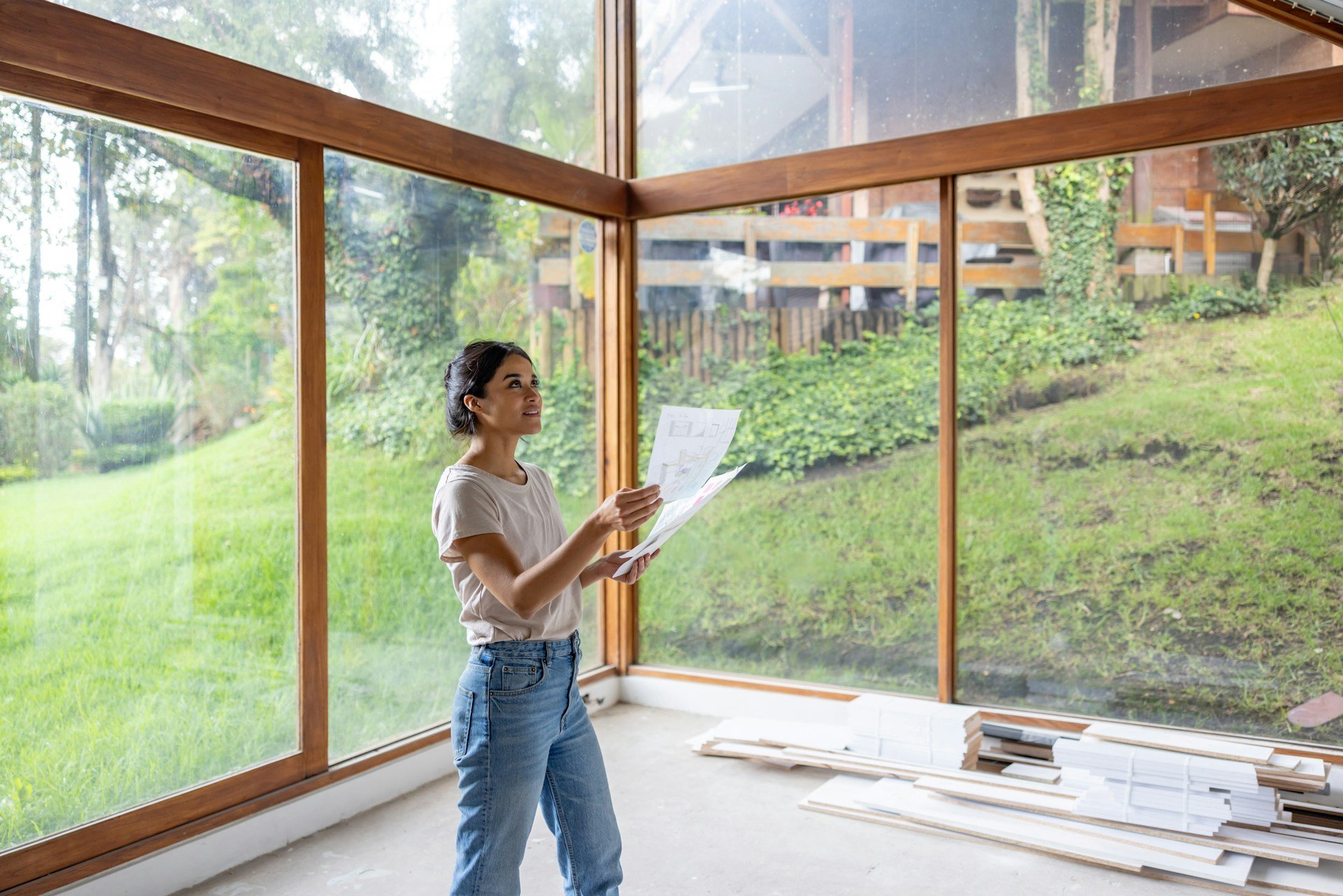
What a Home Remodel Designer Actually Does Day to Day
When people hear the words "home remodel designer," it's easy to think of someone who picks paint colors or chooses countertops. But the role covers much more than that. A home remodel designer is deeply involved in how a space works, looks, and feels from beginning to end. The work goes far beyond style decisions.
As spring approaches here in Northern Virginia, many homeowners are starting to think about updates they've been putting off during the colder months. This stretch between late March and early April is one of the most common times to get serious about remodeling plans. It's also when people start asking us what, exactly, a home remodel designer does every day. The short answer is this: they guide the project so the space meets both the look and the function someone wants. The longer answer takes a little more explaining.
Planning and Listening Before the Work Begins
Most of the work starts well before hammers ever come out. A designer's first job is to listen. We begin by sitting down with homeowners to find out what problems need solving. Maybe the kitchen doesn’t fit the way the family cooks. Maybe there's not enough light in the entry, or the kids have outgrown their shared bathroom. Whatever the case, we’re not just looking at the space, we’re listening to how people live.
We ask a lot of questions, take measurements, and walk through the home with the current routines in mind. These early visits help us understand not just what a homeowner wants, but what they need. A lot of homeowners have goals, but they’re not always sure how to get there. That’s where we come in. We take their ideas and start forming a clearer picture of what might work and what won’t.
This stage isn’t about pushing style or suggesting big changes. It’s about setting up a solid path forward. When everyone’s on the same page early, the rest of the remodel has fewer surprises.
Sketching, Layouts, and Visual Details
Once we understand the space and the people living in it, we begin drafting. This can include hand sketches, digital floor plans, or 3D visuals, depending on the size of the project. The point isn’t just to draw pretty pictures, but to build a plan that actually works in daily life.
We stop to think through things like:
Where natural light comes in and how that changes through the seasons
How people move through a room from one task to the next
How much storage is really needed, and where it makes the most sense
Since we're coming into early spring, many people ask about opening up to outdoor spaces. This is a good time of year to add sliding doors or rethink how indoor rooms connect to patios and porches. We often plan around sunlight and greenery that will be back in full swing soon.
When we shape the layout and materials, we’re not just thinking about what looks good. We think about durability, balance, long-term comfort, and matching the home's character. It's about creating spaces that look intentional, not trendy.
Coordination with Builders and Suppliers
Once a plan is approved, the work shifts toward making it real. The designer’s role doesn’t disappear after the drawings are done. In fact, this is when we become the link between what's on paper and what's happening on-site.
We spend time staying in contact with builders to make sure the small decisions we made in the design phase get carried out the right way. This includes things like where a cabinet line starts, what finishes get used, or how lighting is spaced. We go over timelines and material orders, and we stay mindful of seasonal delays, especially as spring weather creates more room for deliveries and outdoor projects.
Designers also help with product selections. This can include:
Lighting fixtures that line up correctly over a space
Cabinet hardware that works with the chosen layout
Countertops and flooring that fit how the household lives
We keep the project moving by helping solve small problems before they become big ones.
Solving Problems As They Happen
No matter how thorough the plan is, there are always changes. Designs evolve when walls come down and new layers are revealed below the surface. A home remodel designer is ready to adjust when that happens.
We spend a surprising amount of time fielding questions during construction. Maybe a beam is in a new spot, or a tile we picked is now backordered. Maybe the homeowner has seen something they like better. We walk through these moments and come up with smart fixes that don’t throw the project off track.
Sometimes people get overwhelmed. That’s normal. A big remodel can bring a lot of choices fast. Part of the job is to help settle nerves and make sure the final result still follows the vision we set up in the beginning. That may mean offering two new options instead of ten, or helping a homeowner pick between two shades when they both look good. We’re there to steer things back toward the goal.
Why It All Matters for a Better Finished Space
A remodel can’t succeed with just good construction or good materials. It has to feel right when it’s done. That’s why the designer’s role stays important from start to finish. We're there from the first meeting, through the dust and the disruption, and into the finished space where everything works like it was always meant to.
What we’ve learned is that no two projects are the same. People use their homes in so many different ways. Our job as home remodel designers is to take those uses and shape them into something real, a space that welcomes you, functions better, and holds up as seasons switch over again.
When a home remodel designer stays involved throughout the job, the space ends up with fewer regrets and stronger decisions. Everything from layout to light switch placement carries more meaning. That makes the finished space not just good to look at, but good to live in.
Thinking about making your home more comfortable and functional this spring? Connect with a home remodel designer who truly understands your needs. At We Remodel, we work closely with you to design spaces that suit your lifestyle, whether you're updating your kitchen or maximizing natural light. From the first sketches to the final construction details, we’re there to ensure every part of your project runs smoothly. Reach out to us today and let’s start bringing your vision to life.
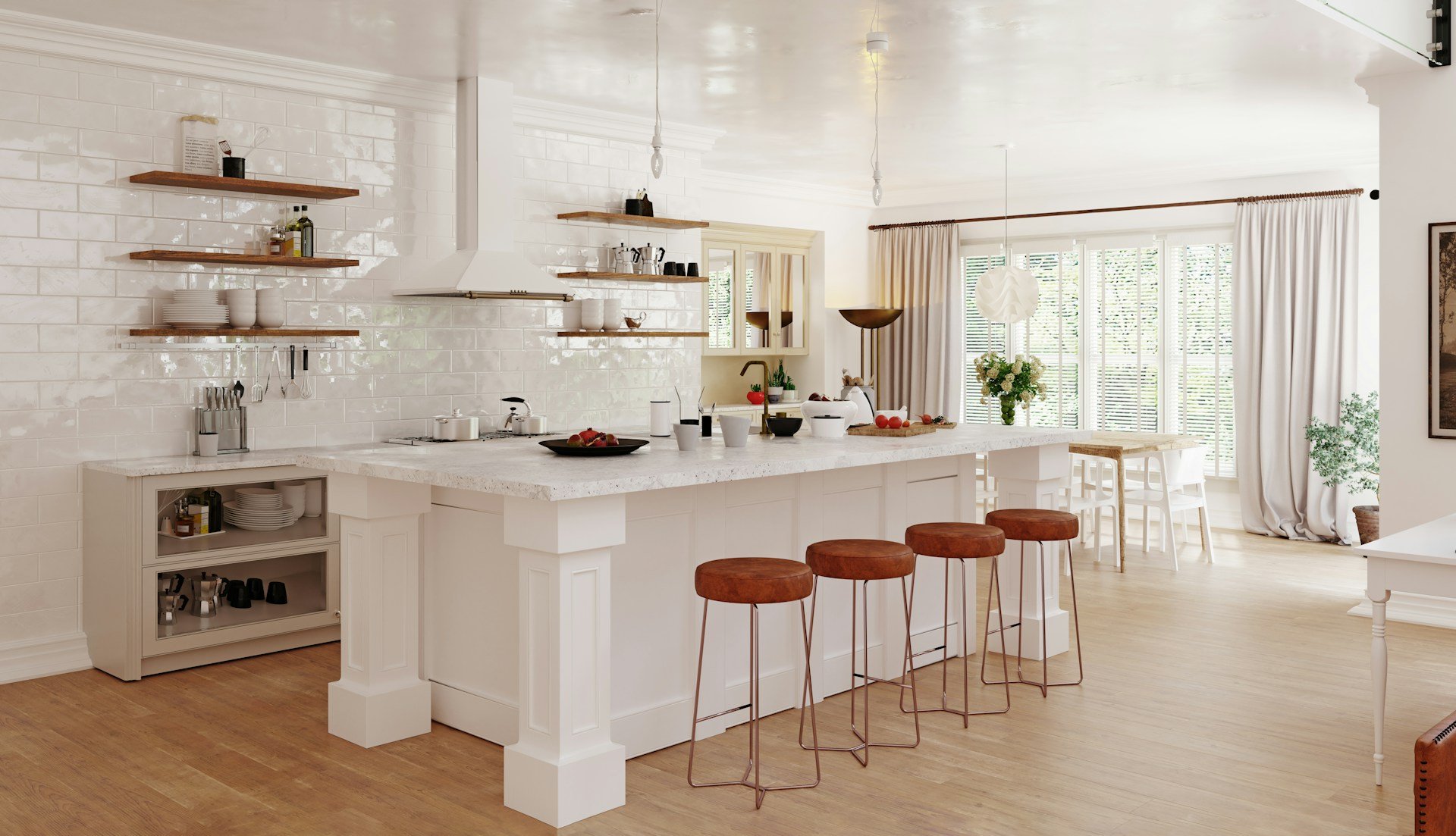
Finish-Selection Checklist to Keep Your Kitchen or Bath on Track
Stop the Domino Effect by Choosing Finishes Early
Finishes are not the last step in a kitchen or bath remodel. They are one of the first decisions that need to be made if you want your project to stay on schedule. Cabinets, countertops, tile, and fixtures all have lead times, and trades depend on those selections to know where to run plumbing, electrical, and framing.
At We Remodel, a design-build home remodeling company in Northern Virginia, we see how early decisions either keep a project humming or cause delay after delay. A home remodel designer on our team starts discussing finishes as soon as the layout is taking shape, not the week before demolition. The earlier we can lock in the big choices, the better we can protect your timeline, budget, and peace of mind.
In this article, we walk through a practical finish-selection checklist you can use before construction begins. You will see what needs to be fully decided, when a home remodel designer typically asks for it, and how to keep everything organized so your kitchen or bath renovation stays on track.
Start with the Big Anchors: Cabinets, Layout, and Appliances
Cabinets are the backbone of any kitchen or bath. Door style, finish, construction type, and hardware placement shape the look, storage, and measurements for everything around them. Many cabinet lines have significant lead times, so your cabinet order usually needs to be placed early, long before anyone swings a sledgehammer. Until cabinets are finalized, we cannot get accurate dimensions for countertops, appliance gaps, or some plumbing and electrical locations.
Layout and storage details are just as important. Pull-out organizers, trash and recycling pull-outs, tall pantry cabinets, and specialty drawers all rely on specific cabinet sizes and SKUs. If you decide late that you want a built-in tray divider over the wall oven or a charging drawer in the island, that can mean reordering cabinets, adjusting electrical, or changing framing.
Appliance choices should be settled early too. A home remodel designer will want brand, exact models, dimensions, fuel type, venting style, and electrical requirements confirmed so we can coordinate rough-ins. Gas versus electric ranges, counter-depth versus standard-depth refrigerators, and panel-ready dishwashers all change how we design cabinetry and run utilities.
For bathrooms, vanities and built-ins play the same role. Vanity width and height, whether you want furniture-style legs or full toe kicks, medicine cabinets recessed or surface-mounted, and linen towers all affect plumbing, lighting, and framing decisions.
Checklist callout: For this phase (before demolition begins), you should have:
Final kitchen or bath layout signed off
Cabinets fully selected and ordered
Appliances or key bath fixtures chosen and on order, or at least fully specified
Surfaces That Set the Tone: Countertops, Tile, and Flooring
Once the big anchors are defined, it is time to finalize surfaces. Countertops set a huge part of the visual tone in a kitchen or bath. You will want to choose the material, such as quartz, natural stone, or butcher block, along with edge profiles, backsplash height, and sink type. Whether you choose an undermount, apron-front, or integral sink affects cabinet sizing and faucet placement.
Tile choices cover a lot of ground: shower walls, shower floors, bathroom floors, and kitchen backsplashes. Each of these needs decisions on tile size, layout pattern, grout color, and trim pieces such as bullnose or metal edging like Schluter. Missing trim or undecided grout colors can stall tile installation right when you want to see progress.
Flooring ties the room together and has to work with adjacent spaces. You will want to lock in the material, color, and plank or tile size, and think through where transitions will occur. Planning this early helps everyone avoid awkward height differences or last-minute changes to thresholds.
This is where a home remodel designer really helps. We build a cohesive palette board so you can see cabinets, counters, tile, flooring, and paint together. When everything is laid out visually, decisions tend to feel easier and there is less temptation to change direction mid-project.
Checklist callout: For surfaces, you should have:
Exact SKUs for countertops, tile, and flooring
Quantities confirmed, including overage for cuts and future repairs
Clear agreement on who is ordering and storing each material
Fixtures, Fittings, and Lighting That Keep Work Moving
Plumbing fixtures have a bigger impact on schedule than many homeowners expect. Sinks, faucets, shower systems, tubs, toilets, drains, and especially valves must be chosen well before walls are closed. The valve rough-ins go inside the wall, so your plumber needs those specifications during framing and plumbing rough-in, not later.
Hardware and accessories matter more than just looks. Cabinet pulls and knobs should be selected ahead of cabinet installation so drilling can be done correctly the first time. Towel bars, grab bars, mirrors, shower doors, and shower niches often require wood blocking behind the drywall. If we know these locations early, our carpenters can add blocking while walls are still open.
A solid lighting plan is essential for both safety and style. Recessed lights, pendants, vanity lights, and under-cabinet lighting all need to be mapped out so our electricians can rough in wiring and set switch locations. Deciding on dimmers and smart controls ahead of time avoids rework once walls are in place.
Do not forget electrical details such as outlet placement for countertop appliances, dedicated circuits for larger equipment, or special features like charging drawers and under-cabinet or in-drawer outlets. All of this must be coordinated early to prevent change orders.
Checklist callout: For fixtures and lighting, put together:
Spec sheets for every plumbing fixture
Cut sheets for lighting, hardware, and accessories
One shared document or packet your builder and trades can reference on site
Colors, Details, and Documents That Prevent Last-Minute Changes
Paint and stain colors are often pushed to the end, but deciding them earlier keeps things smoother. You will want to confirm wall colors, trim and ceiling colors, cabinet paint or stain, and sheen levels before priming begins. These choices interact with your cabinets, counters, and flooring, so they belong in the same conversation, not as a rushed decision at the paint store.
Decorative details also need early attention. Crown molding, trim profiles, shower niches, bench sizes, open shelves, and any paneling or feature walls require framing and carpentry planning. If you wait to decide whether you want a shower bench or a recessed shampoo niche until tile day, you are likely looking at extra cost and delays.
Storage interiors can be easy to forget but make a big impact. Drawer inserts, dividers, roll-outs, spice pull-outs, and other organizers must either be ordered with the cabinets or sized to fit existing drawers and doors. Your home remodel designer will help you review how you actually use your kitchen or bath so these choices are thoughtful, not random.
At We Remodel, we organize all of this into a finish book. It includes photos, SKUs, dimensions, and signed approvals for everything that has been selected, so everyone has the same reference. This helps prevent miscommunication and reduces the chance of last-minute changes once construction is underway.
Checklist callout for this stage:
All paint and stain colors documented
Decorative and storage details confirmed and shared with the team
A clear "no-changes" sign-off tied to ordering and framing so building can proceed confidently
Put Your Checklist to Work with a Design-Build Partner
Having every finish selected, documented, and ordered with realistic lead times is one of the best protections against remodeling delays. Instead of scrambling to pick tile while the plumber waits, the team can move steadily from one phase to the next because the information and materials are already in place.
Working with a design-build team, and a dedicated home remodel designer who manages selections and coordinates trades, takes much of the pressure off you. You still make every choice, but you are guided through a logical sequence with clear deadlines, checklists, and visual tools so nothing important slips through the cracks. For Northern Virginia homeowners planning a new kitchen or bath, putting this finish-selection checklist to use before construction begins can make the entire remodel feel more organized, predictable, and enjoyable.
Transform Your Home With a Designer-Led Remodel Today
If you are ready to upgrade your space with a thoughtful, functional design, our team at We Remodel is here to help guide every detail. Work directly with a dedicated home remodel designer who will translate your ideas into a clear plan and a beautifully finished result. Tell us about your goals, budget, and timeline, and we will walk you through the next steps and what to expect. Have questions or want to schedule a consultation now? Simply contact us to get started.
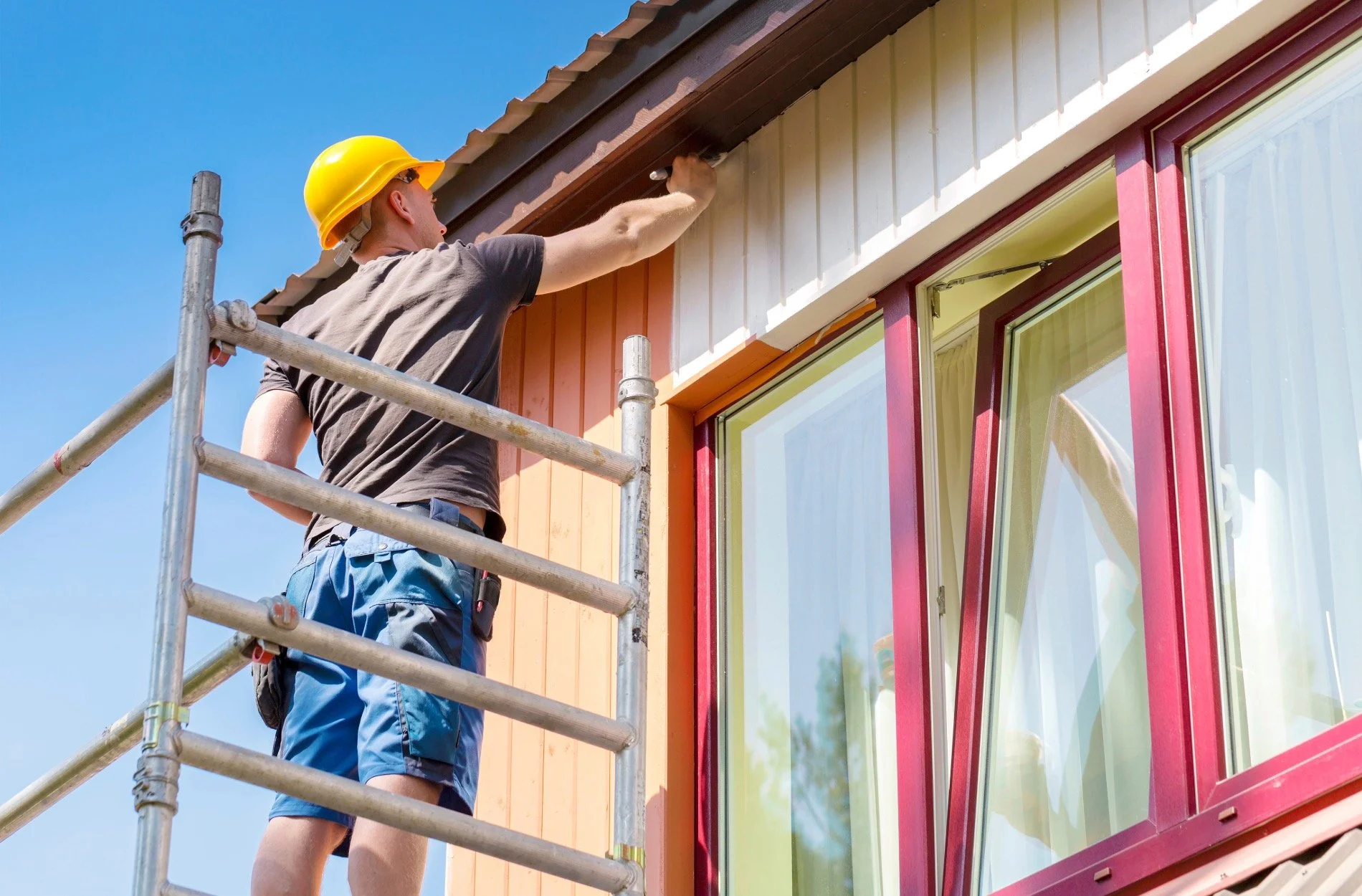
What Home Exterior Remodeling Can Fix That You Might Overlook
When people drive by a house, the first thing they notice is usually how it looks from the street. Curb appeal matters, but it only tells part of the story. There are plenty of exterior problems that don’t stand out right away, and those are the ones that tend to grow worse over time. That’s where home exterior remodeling makes a real difference, not just in how something looks, but in how it holds up, feels inside, and functions day to day.
Early March is when we start getting clearer weather in Northern Virginia, and it becomes easier to take a closer look at what winter may have left behind. Snow, wind, and freezing temperatures often expose the weak spots in a home’s exterior. It’s a good time to walk around the outside and pay closer attention to parts of the structure that might not usually get much thought.
Small Exterior Fixes That Make a Big Difference
Some of the most common problems we find are easy to overlook. A piece of trim that’s peeling or a small crack near the foundation might not seem like much, but over time, those small flaws create bigger problems.
Siding that’s warped or faded could be letting in moisture or wind
Trim near the roofline or under windows can rot if it’s damaged or poorly sealed
Tiny cracks near the base of the house can let in water, insects, or cold air if ignored too long
We pay special attention to corners, joints, and places where materials meet. Window and door frames take a lot of wear, because they’re opened and closed so often. Eaves and soffits are another common area for hidden damage. Fixing these early means avoiding more expensive repair work later.
Hidden Water Damage and Poor Drainage
Water is one of the most damaging things a home can deal with, and it works quietly. You might not notice a small stain near the base of a wall or a bit of soft wood under a gutter, but these can be signs of water getting in where it shouldn’t.
One issue we see a lot is poor grading. If the ground near your home slopes the wrong way, water can run toward the foundation and sit against your exterior walls. That leads to erosion, staining, or even cracks below the surface. Other common trouble spots include:
Clogged gutters or downspouts that back up and spill over
Mulch or flower beds placed too high against siding, trapping moisture
Soil that has settled unevenly and leaves puddles near the home
When these drainage problems go unchecked, they can eventually lead to leaks, mold, or rot inside the walls. That’s why these signs deserve full attention as the weather starts to warm.
Outdated Materials That Affect Comfort
Many older homes look solid on the outside, but their materials haven’t kept up with the way we live now. Single-pane windows don’t hold the heat in very well, and older aluminum siding can get damaged easily and trap outside air against the house.
When we talk to homeowners about comfort issues indoors, we often trace them back to things outside:
Drafty room temperatures linked to old windows or doors
Hot or cold spots caused by uninsulated walls
Siding that lets noise in from the street or neighbors
Replacing these materials doesn’t just help with energy savings. It can make the whole house feel better to live in. Updating exterior features can even support improvements inside. Exterior updates can improve both how a home looks and how it supports day-to-day living inside.
Missed Opportunities for Better Use of Outdoor Space
With spring around the corner, this is the perfect time to start thinking about how outdoor areas can work better for the months ahead. Many homes have awkward landscapes, worn-out corners, or spots that aren’t doing much. Fixing those issues early in the season gives time to enjoy the changes as the weather improves.
We often notice:
Old decks or porches with loose boards or poor drainage
Unused areas near the side or back of the house that could become patios or sitting areas
Front access points that feel crowded or unclear
Simple improvements like widening a path, trimming back overgrowth, or reworking how you reach the entry can make a home feel more open and inviting. Adding thoughtful outdoor lighting or flexible seating can enhance how these spaces are used. It’s also a smart way to make outside areas easier to use with fewer risks.
Safety and Aging Structures
A lot of small safety problems hide in plain sight outside. People use the same steps and paths every day, and it’s easy to stop noticing a loose handrail or a sunken spot in the walkway. But damaged structures like these increase the chances of falls or injuries, especially as the weather brings rain or slippery pollen this time of year.
Things we keep an eye on include:
Stairs that wobble or slope unevenly
Cracks in walkways or porches where footing can be lost
Railings that no longer meet at a solid point
We believe it’s easier and smarter to repair these areas before they break completely. That kind of maintenance helps homes stay safe for aging homeowners, growing families, or anyone who depends on steady footing and strong supports.
A Stronger, Safer, and Better-Looking Home Starts Outside
By early March in Northern Virginia, the weather gives just enough room to look around and notice things that may have slipped through the cracks during winter. While the biggest changes might not begin right away, planning now means you can line up work before spring really hits its stride. That’s when schedules fill up fast, and material delays get harder to work around.
We Remodel offers exterior remodeling solutions that include siding and roof replacement, window installation, door upgrades, and deck projects to improve protection, comfort, and curb appeal in Northern Virginia. Small signs, like flaking paint, soft trim, or water spots, are often the first hint that something on the exterior needs attention. Home exterior remodeling helps stop those issues before they get worse. Whether it's for safety, comfort, or just better use of outdoor space, taking the time to look closely now can go a long way toward keeping your home feeling right as the seasons shift.
At We Remodel, we understand that the condition of your home's exterior impacts more than just its appearance, and even minor signs of wear can signal deeper issues like water intrusion or poor insulation. Investing in the right updates now helps prevent problems down the road while improving comfort throughout the year. Our approach to home exterior remodeling in Northern Virginia is built to give you both function and peace of mind. Reach out to get started.

Home Design Remodeling Tips for Old Northern Virginia Homes
Old homes across Northern Virginia carry a kind of charm that’s hard to find in newer places. The trim, the built-ins, and even the way light falls into a room can make them feel warm and full of character. But that doesn’t mean they always work well for how we live today. That’s where home design remodeling comes in.
Late February is a smart window to start thinking about what needs to change. The weather is still cold, but spring isn’t far off. Planning now means you can get ahead of the rush when warm weather brings more outdoor work and complicated schedules. It's a good time to focus on the inside, knowing what you'll keep, what needs to go, and how to make the house feel just right moving forward.
Start with What’s Already There
Before anything changes, we always look closely at what deserves to stay. Many of these older Northern Virginia homes were built with real materials: solid wood floors, plaster walls, deep window sills. These are things that give a home its personality.
We look for:
• Original trim or millwork that adds charm
• Hardwood floors that may be hiding under carpet
• Brick, stone, or tile that can be cleaned or repointed
Older houses also come with quirks. Maybe the hallway slants, or the ceilings seem lower than usual. It’s important to notice those early since they can affect layout and furniture placement. Sometimes, a step up or down from room to room is just something to work around, but if it gets in the way of daily use, we’ll want to address it.
We also take note of how rooms connect. Are the bedrooms too far from each other? Is the kitchen closed off in a way that interrupts flow? Before picking out paint colors or tile, knowing the home’s structure helps every decision work better later on.
Make Smart Changes to Old Layouts
One of the biggest challenges in home design remodeling is dealing with tight or awkward layouts. It’s common in older Northern Virginia houses to find closed-off rooms, narrow halls, or staircases that chew up floor space. Some of that can be opened up, and some of it might need to stay. The key is knowing what can be moved without causing more problems.
If a wall isn’t bearing weight, it might come down with fewer issues. That can open a kitchen to a dining space or push a bathroom out a bit for more room. It’s worth thinking about:
• How people move room to room day to day
• Where the light comes in and how it changes throughout the day
• What surprises might be hiding behind the walls
We’ve seen everything from live wires tucked behind sheetrock to older pipes that crumble when touched. Answering layout questions early helps avoid costly changes later, especially once demolition begins.
Choosing the Right Materials for Northern Virginia’s Climate
Homes here go through a lot during the year. Winters are cold and damp, springs and summers bring humidity, and fall means another shift in air and ground temperature. That’s why older homes need materials that can keep up with these changes.
We look for things like:
• Wood flooring that’s treated to handle shifting humidity
• Tile and stone that won’t crack or settle in uneven spots
• Well-insulated walls and roofing that hold warmth without trapping moisture
The goal is to pick materials that fit what the house already is but won’t wear down quickly. There’s no sense putting in a look that matches the age of the home if it can’t handle modern use. Matching style is good, but durability matters more in the long run. That’s part of why we rely on smarter options than what was available when these homes were built.
Lighting and Storage Matter More Than You Think
Many older homes were built before overhead lighting was common. You’ll often find just one switch that controls a wall outlet, or no real lighting in certain rooms at all. Storage, too, tends to be an afterthought. Closets are small by today’s standards, and sometimes they were added long after the house was first built.
We like to approach those problems in a few ways:
• Add layers of lighting using ceiling cans, sconces, and updated switches
• Use cabinet lighting to give kitchens and baths a much-needed boost
• Consider built-ins for storage that looks like it’s always been there
Our goal is to bring in convenience without making it feel out of place. We might work lighting into crown molding or hide it inside beams to protect the feel of older ceilings. With storage, a built-in bench by the window or custom shelving between studs can add just what’s needed. These changes make life easier without fighting against the home’s character.
Planning for Seasonal Work and Timing
Right now, in late February, indoor work makes the most sense. It’s too soon for outdoor construction, but it’s the perfect time to line up plans, get drawings approved, or start work on basements, kitchens, and bathrooms.
When we plan early, we make space for:
• Permits that can take longer than people expect
• Items that need to be ordered, especially custom cabinets or fixtures
• Warmer-weather projects to follow with no downtime in between
If a client wants a new porch or room addition, it’s smarter to have all the paperwork ready now, so the digging and framing can happen as soon as the ground thaws. Getting ahead of the spring rush saves time and gives us more flexibility to do the work right without feeling pressured by the calendar.
Bringing Out the Best in Classic Homes
Home design remodeling isn’t about fixing what’s broken. It’s about making a house work better for the life you live now, without stripping away what makes the place special. We’ve seen how big of a difference light, layout, and smart storage can make in daily use.
We Remodel provides complete home design remodeling services, such as kitchen and bath renovations, basement finishing, open-plan transformations, and custom built-ins for older homes in Northern Virginia. We work with clients from the first ideas and drawings through permits and construction to deliver solutions tailored to their home’s style, age, and needs. Older homes have strong bones, and when we take time to work with those instead of against them, the results feel natural. Whether it’s restoring trim, picking better flooring, or redesigning a hallway that never quite made sense, every small decision adds up to a home that looks, feels, and functions like it should.
Ready to make your older home in Northern Virginia better suit your lifestyle? We Remodel specializes in thoughtful home design remodeling that brings out the best in classic spaces while improving comfort and flow. Let’s talk about your ideas and discover what’s possible, contact us today to get started.
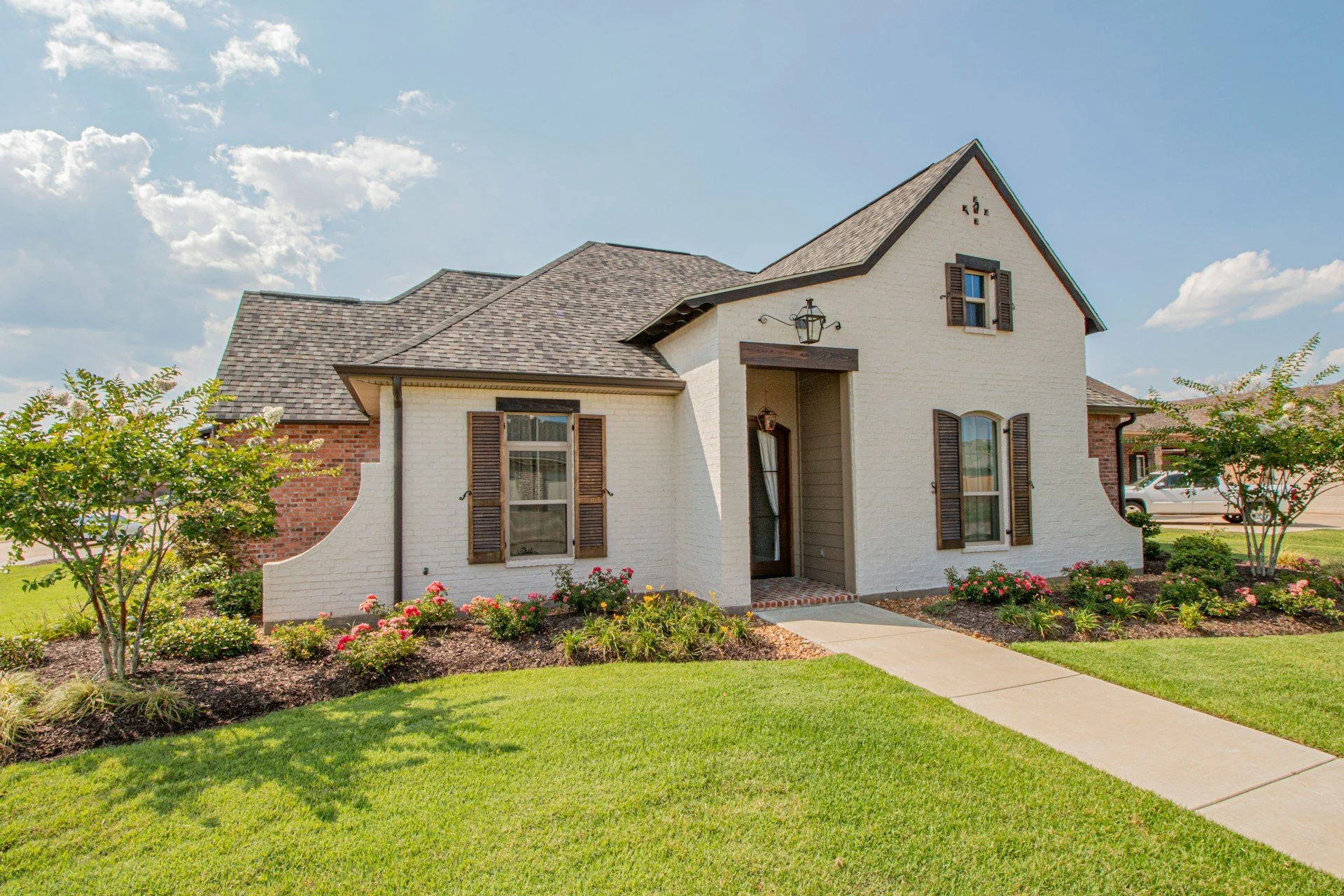
Exterior Home Remodeling Problems You Don’t Want to Ignore
Exterior home remodeling often brings up problems that have been hiding under the surface all season. Some issues move slowly and are easy to miss until they start costing time or money. Others seem small but wear down the home’s shell if left alone.
February is a good moment to stop and look closely, especially in Northern Virginia where winter brings freezing rain, snow, and sharp temperature swings. These conditions expose weak spots or make existing wear worse. If we catch the signs now, we’ll be in better shape when spring brings heavy rain and busy schedules.
Here are common exterior issues that show up from late-season cold, and why dealing with them now helps avoid bigger repairs down the line.
Winter Damage to Roofing and Gutters
A cold winter can be tough on the roof. Sometimes, ice and wind pull shingles loose or peel them back just enough to let in melting snow. Other times, the damage looks minor at first but causes leaks once the temperatures rise and water begins moving again.
• Ice buildup near the edges of the roof can lead to what is known as ice dams. This blocks proper drainage and causes water to back up into places it should not.
• Gutters often take a hit too. Snow and ice add weight that may cause sagging, separation from the fascia, or even full detachment in severe cases.
• Clogged gutters trap water close to the house, which can damage siding and even weaken the home’s foundation over time.
Late winter is a smart window to inspect for missing or damaged shingles and check that gutters are draining properly. Taking care of small things now helps prevent problems during spring rainstorms.
Rotting or Warped Siding
Siding acts like armor for the home. If it starts breaking down after months of freezing temperatures, wind, and wet weather, more than just your curb appeal is at risk.
• Wood siding is especially vulnerable to rot when wet weather meets long cold snaps. Cracks and gaps let water sneak behind the boards and get trapped.
• Vinyl may not rot, but it can warp or buckle when it has been exposed to wind chills followed by short bursts of heat from sunlight.
• Gaps in siding also let in cold air or animals looking for shelter. You might not even notice these problems from below eye level.
When siding has seen better days, water can damage the structure underneath. It is often easier to replace a few compromised panels now than face a full replacement later on.
Problems with Exterior Paint or Caulking
Paint and caulk do not always hold up against repeated cycles of freezing followed by thawing. These materials crack, peel, or shrink over time, which leads to gaps you may not spot right away.
• When paint splits or peels off, it makes the surface underneath more likely to absorb moisture. This can rot trim or siding materials that are not sealed properly.
• Caulking around windows and doors tends to dry out and pull away in the cold, allowing cold air and water to get inside.
• These small issues increase energy loss and invite more bugs or moisture where they do not belong.
February is a good time to walk the outside and look for bare spots, broken seals, or missing paint. A quick repair now can make a big difference when spring storms roll in.
Cracked or Uneven Walkways and Steps
Paved areas tend to take a quiet beating in winter. Small cracks are not always easy to catch until they have widened from weeks of freezing and thawing.
• Water settles in tiny lines in walkways and porches. When that water freezes, it expands and pushes apart cement, asphalt, or bricks.
• Uneven steps or loose pavers can lead to trips or falls, especially when snow or ice masks the damage.
• Once spring hits, weeds and insects move into these cracks, making them harder to clean or repair.
Fixing small surface breaks now means fewer hazards and less work once the warmer months hit. If snow is still coming, having smooth walkways makes shoveling easier too.
Signs of Moisture Around the Foundation
Not all winter damage happens up top. When the ground around your house stays wet, your foundation quietly starts to feel the stress.
• Watch for standing water or damp lines along the basement walls. These signs may point to clogged or broken drains, or sloping soil that directs water toward the house.
• A musty smell downstairs can also signal that water is seeping in through the walls or slab, even without a major flood.
• Too much pressure from wet soil can lead to small cracks in the foundation that widen through spring.
If we notice these issues now, small steps like redirecting downspouts or adjusting grading can help before everything thaws out. It is easier to prevent water damage than fix it later on.
Proactive Steps for a Sound Home Exterior
Winter may be coming to an end, but these cold weeks still offer a quiet chance to catch what others overlook. Roofing wear, shifting pavement, and gaps in siding all become easier to see once we know where to look. It is not just about looks either. These problems affect how well your home holds temperature, sheds water, and stands strong in the months ahead.
We Remodel offers comprehensive exterior remodeling solutions, including roof and siding replacement, window and door installation, and gutter projects, all designed for long-lasting protection and curb appeal in Northern Virginia. By checking now while cleanup is still manageable, we can address damage caused by snow and freezing weather before it turns into expensive fixes. It keeps the home in better shape and gives us peace of mind heading into spring. That is what smart exterior home remodeling is really all about, making sure the structure is ready for what is next.
Winter weather can take a toll on your home’s exterior, so now is the perfect time to make sure everything is in top shape for the new season. Peeling paint, loose panels, and uneven walkways may seem minor but can quickly lead to bigger issues as spring approaches. At We Remodel, we take a look at every aspect of your property to keep it protected and looking great. Whether you need quick fixes or major updates, our approach to exterior home remodeling in Northern Virginia is meant to be straightforward and stress-free. Call us today to talk about how we can get your home ready before the seasons change.
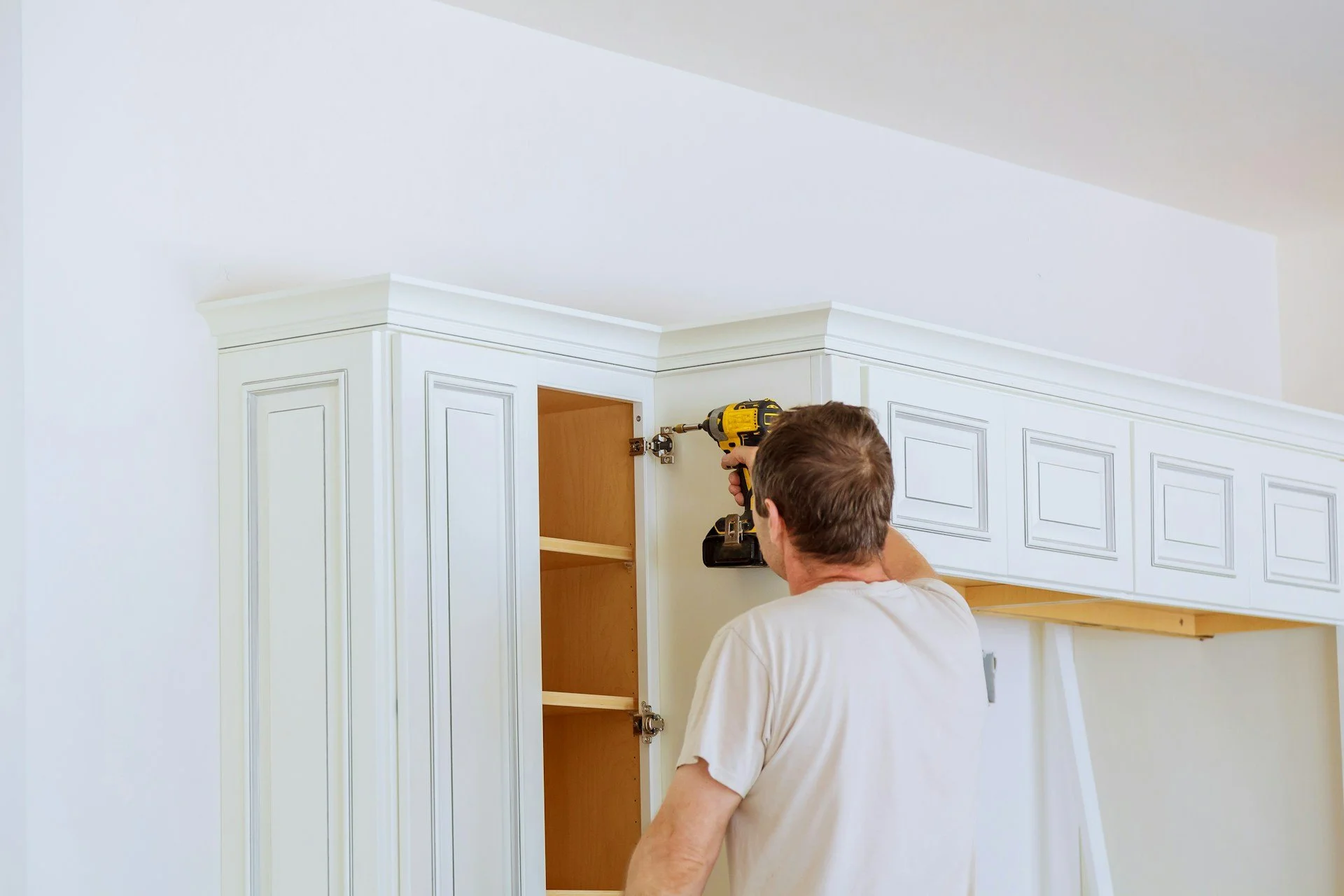
Cabinet Refacing vs. Full Replacement in Northern VA
Refreshing a kitchen in Northern Virginia often starts with a simple question: can we work with what we already have, or is it time to start over? For many homeowners, the goal is a clean, modern look without committing to a full gut renovation or spending more than the home and neighborhood can support. That is where the choice between cabinet refacing and full cabinet replacement becomes important.
Cabinets usually dominate both the look and the cost of a kitchen remodeling service. They set the style, affect storage, and determine how far your budget will go for counters, appliances, and finishes. Refacing keeps the cabinet boxes and changes the visible parts, while full replacement rebuilds the entire cabinet system. Our goal in this article is to help you understand each option so you can match it to your home, budget, and long-term plans, with the perspective of a local design-build team like We Remodel in Northern Virginia.
What Cabinet Refacing Really Involves
Cabinet refacing is all about keeping the bones of your kitchen and changing the skin. In simple terms, we keep the existing cabinet boxes in place, remove the old doors and drawer fronts, and install new ones in the style and color you want. Any exposed cabinet surfaces, like face frames and side panels, get new veneer or finish so everything matches.
During a refacing project, we can also update a surprising amount of detail. Common upgrades include new hardware, soft-close hinges, and decorative touches like crown molding or light rails under wall cabinets. In some kitchens, it also makes sense to add a few storage improvements, such as pull-out trays or organizers in key cabinets, as long as the cabinet structure allows it.
Refacing typically has a shorter timeline and lower disruption compared with full cabinet replacement. Since the layout stays the same and the cabinet boxes remain, there is less demolition, less dust, and fewer trades involved. Many homeowners choose to pair refacing with new countertops, backsplash tile, updated lighting, and fresh paint, which can deliver a full visual transformation without changing the basic footprint.
Refacing works especially well in certain situations. It is often a good fit when:
• Your existing cabinets are solid and well-built
• You are generally happy with the current layout and flow
• You want a fresh style quickly, without a long construction period
• You do not need major electrical or plumbing changes in the kitchen
When those boxes are checked, refacing can stretch your kitchen remodeling service budget while still giving you a space that feels new.
When Full Cabinet Replacement Makes More Sense
Full cabinet replacement is a different level of project. This approach removes the old cabinets down to the walls, then installs brand-new cabinet boxes, doors, drawers, and trim. Because everything is coming out, it often opens the door to bigger layout changes that are not possible with refacing.
Homeowners tend to choose full replacement when they want more than a cosmetic update. If you are thinking about a larger island, opening a wall to a dining or family room, adding a pantry, or finally fixing awkward corners, new cabinets can be part of a broader reconfiguration. It is also the right time to adjust lighting, outlets, plumbing locations, and venting so the kitchen works better day to day.
There are clear warning signs that refacing is not a wise investment. These include:
• Cabinet boxes that are warped, cracked, or sagging
• Poor-quality builder-grade cabinets that never held up well
• Evidence of water damage, mold, or long-term moisture problems
• A layout that feels cramped, inefficient, or unsafe
In these cases, putting new doors and veneer on failing boxes will not solve the underlying issues. Full replacement, as part of a comprehensive kitchen remodeling service, allows us to coordinate design, permitting requirements, carpentry, plumbing, electrical work, and finishes so everything functions as one cohesive system.
Cost, Timeline, and Resale Value in Northern Virginia
Budget is often the deciding factor between refacing and full replacement, but it helps to think about cost in context. Refacing is usually less expensive than installing entirely new cabinets, since we are keeping the boxes and doing less structural work. However, by the time you add new countertops, backsplash, and possibly appliances, it is still a real investment that should be planned carefully.
Full cabinet replacement typically lands at a higher price point because you are paying for new boxes, more labor, and often related work in electrical, plumbing, and flooring. The trade-off is a larger transformation and the chance to solve long-standing frustrations with the layout or storage. In both cases, an individualized design plan helps you see where your money is going and how each choice affects the final result.
Timelines differ as well. Refacing, especially when paired with selective updates, usually means a shorter construction window and less disruption to daily life. You may still have some dust and limited kitchen access during parts of the process, but it is generally more manageable. Full replacement involves more demolition, more trades, and a longer period when your kitchen is partially or fully out of service.
In Northern Virginia, neighborhood expectations and home values also influence the decision. In some communities with older homes, a well-executed refaced kitchen can fit the character of the house and appeal to buyers who value thoughtful updates. In other areas, especially where larger-scale renovations are common, a fully reconfigured kitchen from a professional kitchen remodeling service can be a strong selling point.
Appraisers and buyers tend to respond to quality and functionality above all. Professionally refaced cabinets with updated finishes and good counters can read as a modern, move-in-ready kitchen. A full replacement that improves layout, storage, lighting, and overall design can stand out even more, especially when the work clearly aligns with the rest of the home.
Key Questions to Decide What Is Right for Your Home
When you are weighing refacing versus replacement, it helps to step back and ask a few practical questions. These can clarify whether you are dealing with a style issue, a functional issue, or both.
Consider questions such as:
• Do you like your current layout, or do you bump into its limits every day?
• How long do you realistically plan to stay in this home?
• What budget range feels comfortable, not just possible?
• Are you hoping to update quickly, or are you prepared for a longer project?
Next, think about the structural quality of your existing cabinets. Are the boxes solid wood or a weaker material that has not aged well? Do you see signs of sagging shelves, loose joints, or moisture damage under the sink or near appliances? The answers will tell you whether refacing would be building on a strong foundation or simply covering up problems.
Lifestyle is just as important as structure. If you love to cook, entertain often, or plan to age in place, storage, counter space, and accessibility should guide your decision. You might need deeper drawers, better lighting on work surfaces, or easier access to everyday items. Those needs can sometimes be met during refacing, but major layout or access changes usually point toward a full replacement.
Working with a design-build team like We Remodel allows you to explore both paths in detail. 3D renderings can show how your existing layout would look with new doors and finishes, versus what a reconfigured kitchen could offer. Material options, phasing strategies, and realistic timelines all come into play so your kitchen remodeling service plan fits your home and your life.
Plan a Smarter Kitchen Upgrade with We Remodel
When we look at kitchens across Northern Virginia, a clear pattern appears. Refacing is an excellent choice when cabinet boxes are solid, the layout functions well, and the main complaint is style or color. Full cabinet replacement is the better path when the layout is frustrating, storage is lacking, or the existing cabinets are simply past their useful life.
The most reliable way to decide is through a careful in-home assessment. A design-build professional can examine the structure of your cabinets, listen to your goals, and compare refacing, full replacement, or a hybrid approach side by side. With a tailored kitchen remodeling service, you can see how each option affects cost, schedule, and long-term value, then move forward with confidence in the direction that makes the most sense for your home.
Get Started With Your Project Today
If you are ready to reimagine your kitchen, our team at We Remodel is here to guide you through every step. Explore our kitchen remodeling service to see how we can tailor a design that fits your space, style, and budget. We will help you plan, select materials, and manage the project so the process feels straightforward and organized. To talk through your ideas and next steps, contact us today.
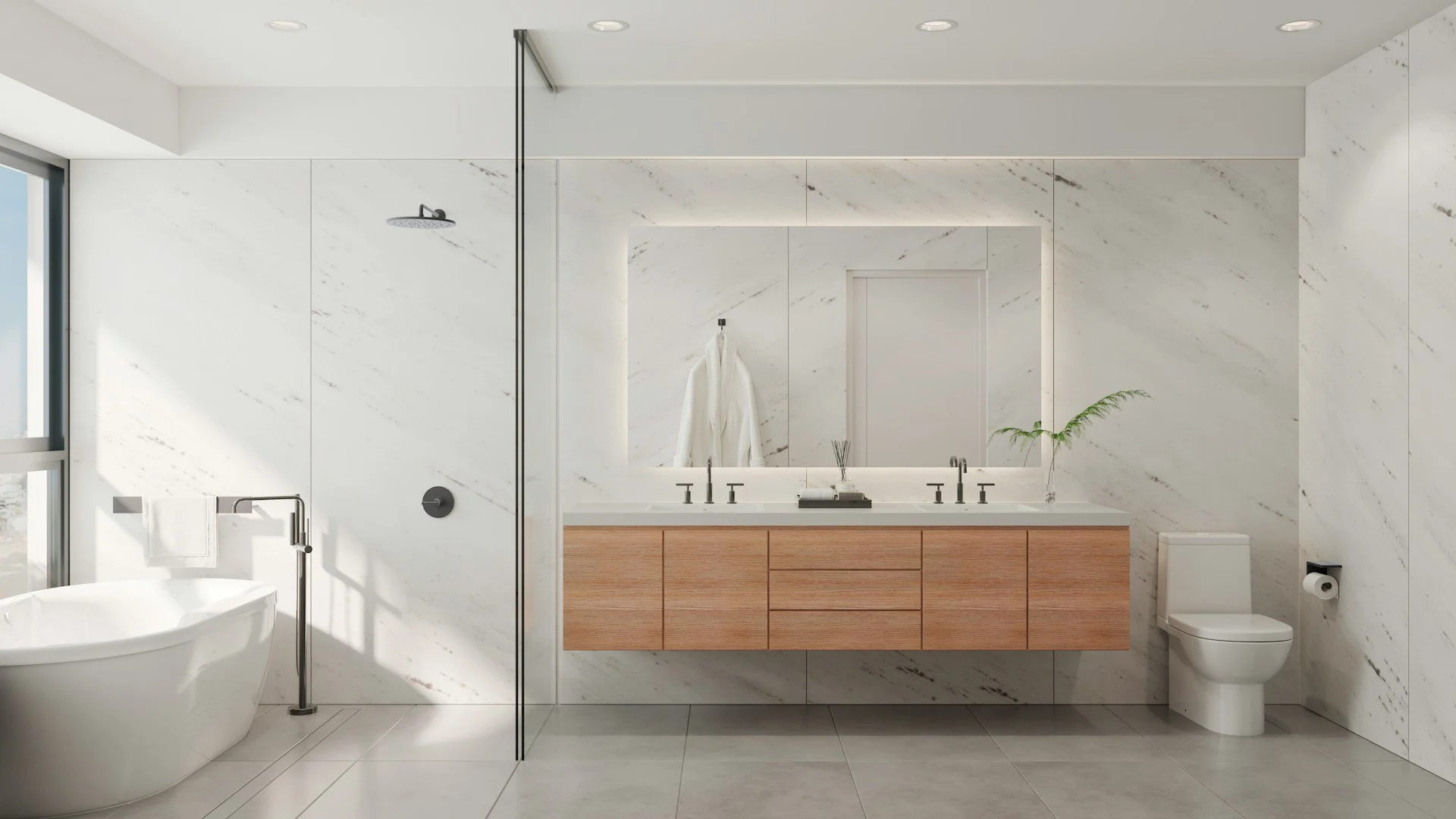
Why Bathroom Remodeling in Great Falls VA Is More Complex Than You Think
At first glance, bathroom remodeling seems pretty simple. It's a small space, usually has just a few fixtures, and might even feel like a quick weekend update. But when we start working with bathrooms in older homes, especially around Great Falls, Virginia, we often find that there’s much more going on than meets the eye.
Homes here carry a lot of character, but that charm can also hide a lot of problems. Remodeling in this area means dealing with age, outdated systems, and permitting needs that aren’t always quick to move along. Winter weather adds another layer of delay, especially when material deliveries get stuck or construction schedules slow down. That’s why now is a good time to start thinking through every piece of the puzzle if you're planning a bathroom remodeling in Great Falls, VA.
Hidden Issues Behind the Walls
Bathroom walls might look fine at first, but once we pull out an old vanity or remove a shower insert, the problems start to show. This is especially true in homes built more than a few decades ago, which make up much of the housing around Great Falls.
Older copper or galvanized pipes may be worn or leaking.
Past fixes, especially makeshift repairs, can be hidden behind tile or drywall.
Wiring is often outdated or not up to code.
Moisture buildup from poor ventilation can lead to mold or rotting wood.
These issues usually add time and cost because fixing them often means replacing parts completely, not just patching them. When older materials are no longer up to current code, they're not allowed to stay, so the remodel must bring everything up to standard even if the damage seems small.
Very old pipes or wiring are often discovered only after tile and fixtures are removed. Sometimes discovering these problems can add surprise steps during your remodel. For example, addressing moisture damage may involve drying out enclosed spaces or swapping sections of old-fashioned insulation. Roof leaks or faulty flashing near upstairs bathrooms can also let in water over time, causing trouble even if nobody noticed anything on the surface. Seeing the entire system before work begins helps cut down on the surprises but isn’t always possible, so keeping extra time in the schedule is wise.
Limited Space and Layout Changes
Another common challenge is space. Many older bathrooms were designed with just the basics, and most don't reflect modern expectations for comfort and function. Trying to add a double vanity, improve lighting, or fit in a walk-in shower takes more creativity than you’d think.
Tight footprints limit where things can go, especially with older plumbing.
Drain lines and vent stacks are often fixed in place and expensive to move.
Changing the layout at all usually means shifting pipes, wires, and foundation cuts.
We’ve seen how none of this is impossible, but it does take careful planning. Even moving a toilet just a few feet can lead to added demolition, concrete work, or longer down time for the room. In small bathrooms, a misstep in layout can also make the room harder to use, even if it looks great.
Older homes might feature layouts that are less efficient with space than current designs. Expanding or swapping the placement of fixtures is sometimes possible, but it might require reworking not only plumbing but the existing supports within walls or floors. Making the most of what’s available becomes important, especially for things like storage or shower size. Detailed planning, sometimes using design software or scaled drawings, helps avoid layout mistakes.
Material Choice and Delivery Delays
Picking materials sounds like the fun part, but even that comes with a few challenges. Because many homeowners want high-end finishes or custom looks, things often need to be special ordered. And what usually takes three weeks can stretch into five or six during winter months.
Tile, stone, or custom cabinets may not be in stock locally.
Shipping delays are more common in January and February.
Roads in and around Northern Virginia can be slow in bad weather.
Selecting materials early in the planning phase helps keep things on track. It’s never a good idea to wait until demolition has started to make product decisions. Doing that often leads to compromises later, or long gaps in progress while materials arrive.
It's smart to confirm all ordering timelines before your remodel begins, especially for products coming from outside the area. Working with your contractor to review lead times for tile, flooring, and specialty plumbing fixtures can help keep everyone updated. If you’re dreaming of custom colors or non-standard cabinet sizes, expect to wait a bit longer. Even the best-planned jobs run more smoothly with a backup plan in case something is delayed. Ask about local alternatives if deliveries are held up.
Code Compliance and Permit Requirements
Great Falls, Virginia, isn't just beautiful, it’s also known for specific building standards. That means even small bathroom changes can require permits and follow-up inspections, especially if plumbing or electrical work is involved.
Bathrooms must meet current code for venting, drainage, and outlet placement.
Inspections may be needed before, during, and after certain steps.
Permits take time, and sometimes more than one is needed depending on the scope.
With older homes, it's common to have to upgrade parts of the bathroom beyond what was planned. For example, if walls get opened up and inspectors see outdated wiring, they'll usually require it to be brought up to today’s rules before approving the final work. These kinds of surprises are just part of the process, but they’re easier to manage when planned for from the start.
Permitting requirements often depend on your specific address and the project’s overall complexity. In some areas, even window replacements or small plumbing swaps need approval before work can begin. Checking with local building officials early saves time down the line, and scheduling inspections ahead helps the process move along. Staying prepared for these extra steps makes bathroom remodeling less stressful and helps you finish with confidence.
Coordination With Other Parts of the Home
Bathroom changes sometimes affect nearby rooms without warning. Fixtures like showers or tubs connect through systems that may reach upstairs or across hallways, and almost everything runs between the walls or below the floor.
Pipes supplying a second-floor bedroom might run through the bathroom ceiling.
HVAC ducts can block planned changes.
Shared walls may limit where certain fixtures or outlets can fit.
Also, when we remove walls or shift plumbing, we sometimes need to open up other parts of the home to finish the work. Knowing how all these rooms connect before starting helps avoid delays down the line. Without that preparation, a small job can quickly touch four or five spaces instead of just one.
Every floor and ceiling space can hide more lines or supports than you’d expect. If you’re remodeling an upstairs bathroom, the work may impact rooms below, even small changes like rerouting a drain can mean opening ceilings in finished spaces. Sometimes coordinating with other upcoming updates, like repainting or restoring woodwork, keeps everything looking fresh and avoids twice the mess. Communication between everyone involved makes these larger jobs run smoother.
Planning for Bathroom Remodeling Success in Great Falls
Remodeling a bathroom in Great Falls means anticipating the unexpected. We Remodel provides a complimentary in-home consultation, during which our team assesses everything from the home's existing plumbing and wiring to code compliance and layout. Our bathroom remodeling services focus on both function and longevity, using products made to stand up to real life in Northern Virginia homes.
Every remodel brings its own surprises, and older homes in Great Falls often have a few more in store. We’re experienced in handling lengthy delivery times, challenging layouts, and aging systems, and we know that the best outcomes start with a strong plan. When you’re ready to explore bathroom remodeling in Great Falls, VA, We Remodel will help you address the details and avoid unnecessary delays. Let’s connect to discuss your next steps.
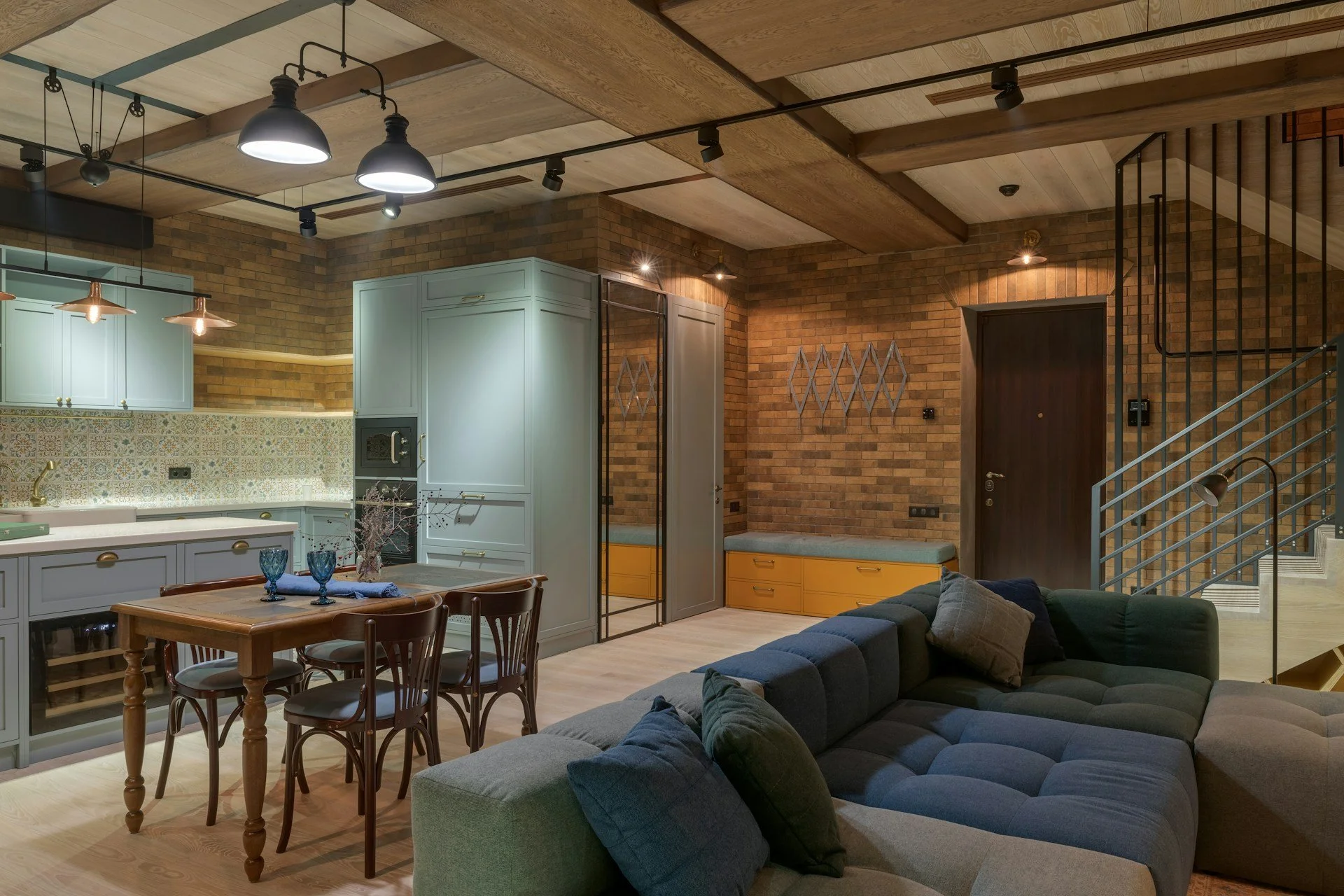
Signs You Need Professional Basement Remodeling Services
Basements often start as storage spots. Boxes, holiday decorations, and old furniture tend to pile up there over time. But with the right changes, that forgotten space can become one of the best parts of your home.
Sometimes, the signs telling us it's time to make that upgrade aren't obvious. A few issues might seem small at first but grow into real problems if left alone. That's when it makes sense to look into professional basement remodeling services. Since it’s late January, the weather in Northern Virginia isn’t always great for outdoor work, which makes it a smart time to tackle indoor planning. This way, by the time spring hits, construction is already moving instead of just getting started.
Signs Your Basement Feels Cold or Damp
Walking into your basement shouldn’t feel like stepping into a cave. Cold floors, drafty walls, or that humid feeling in the air can mean something’s wrong. These things often point to insulation problems, leaks, or failed seals around the foundation.
Musty smells and standing moisture are red flags
Walls that feel wet or look stained could mean water is getting in
A chilly basement during winter may show that warm air from upstairs is escaping
Trying to fix these symptoms with just a space heater or scented sprays usually doesn’t help for long. These problems tend to come back until the real cause is found and dealt with. If your basement has felt uncomfortable for a while, chances are it’s not just the weather. It might be time to fix how the space is built.
Your Basement Layout No Longer Works for Your Needs
What worked five years ago might not fit today. Families grow, kids grow up, and needs change. What used to be the kids' playroom may now sit empty. Or maybe you hoped to work from home part-time, but there’s nowhere that feels private enough.
Empty storage rooms that go unused could become guest spaces
A one-room basement may need to be reworked into separate living zones
Poor lighting and awkward traffic flow may be making the space hard to use
When a layout doesn’t make sense anymore, it ends up being a waste of square footage. And no one wants to live in a big house where one-third of it stays off-limits. Fixing the layout can turn the basement into an actual part of your daily routine, instead of a space used once a month.
Old Materials Are Breaking Down
Time takes a toll underground. Materials used in basements don’t always hold up as well as what we see upstairs, especially in homes built a few decades back. Carpet in these areas tends to absorb moisture, wall panels can buckle, and ceiling tiles may sag.
Spots on carpet or peeling paneling point to moisture hiding below the surface
Bulging drywall or warped floors show structural problems
Musty smells and soft patches on the floor might mean water has been trapped for a while
Fixing this kind of wear and tear isn’t just about looks. Old materials can grow mold or hide damage. If your basement has looked the same since move-in day and feels a little worse each time you’re down there, it might be time to start fresh.
You’ve Dealt with Repeated Repairs or Temporary Fixes
If you’ve been patching the same spot of drywall for the third time or repainting the same wall after another drip or crack shows up, something bigger could be going on. At a certain point, quick fixes just don’t last.
Paint that cracks or bubbles again and again means the base material is failing
Recurring leaks or musty smells that return after each cleanup show deeper issues
Loose lighting, old outlets, and bad patches around fixtures hint at outdated systems
These repeated repairs usually end up more expensive in the long run. When we keep treating symptoms instead of what’s at the root, the space never feels finished. That’s where basement remodeling services come in, by solving it the right way and helping make those small, annoying problems disappear for good.
The Space Doesn’t Feel Safe or Comfortable
Basements are often overlooked when it comes to safety. But as people start using these spaces more for living, working, or relaxing, the need for comfort and safety grows. If spending time down there doesn’t feel good, something probably needs to change.
Poor lighting that leaves corners dark or shadows on staircases
Outdated wiring that flickers, trips breakers, or doesn’t support modern devices
No clear exit aside from the stairs, which could break safety codes
Fixing these things isn’t just for peace of mind. A basement that feels solid, warm, and bright is one people will actually use. Whether it’s a game room, a guest bedroom, or a quiet home office, comfort goes hand in hand with how much value the space adds to the rest of your home.
When Quality Remodeling Makes the Difference
Basements don’t have to be the forgotten part of your house. They can feel just as comfortable, safe, and welcoming as the rooms above. The early signs, like ongoing dampness, failing layouts, or repeated repairs, are often the warning before bigger problems arrive.
As a locally trusted and experienced basement remodeler, we offer licensed and insured service throughout Northern Virginia. Our team handles everything from structural improvements and moisture control to full-scale basement finishing, helping you get more livable space with upgrades that meet local codes.
When a basement is well-built and thoughtfully designed, it becomes a place that works all year long. Whether it serves as a second living room or an extra bedroom, a finished basement gives something back. It stops being a place you avoid and turns into one you live in every day.
When your basement in Northern Virginia becomes an underused area or starts showing signs like water stains, drafts, or a difficult layout, our team at We Remodel is ready to help you reclaim that space. Find out how our approach to basement remodeling services can transform your home into something both functional and comfortable. Reach out today and let’s talk about the possibilities for your basement.
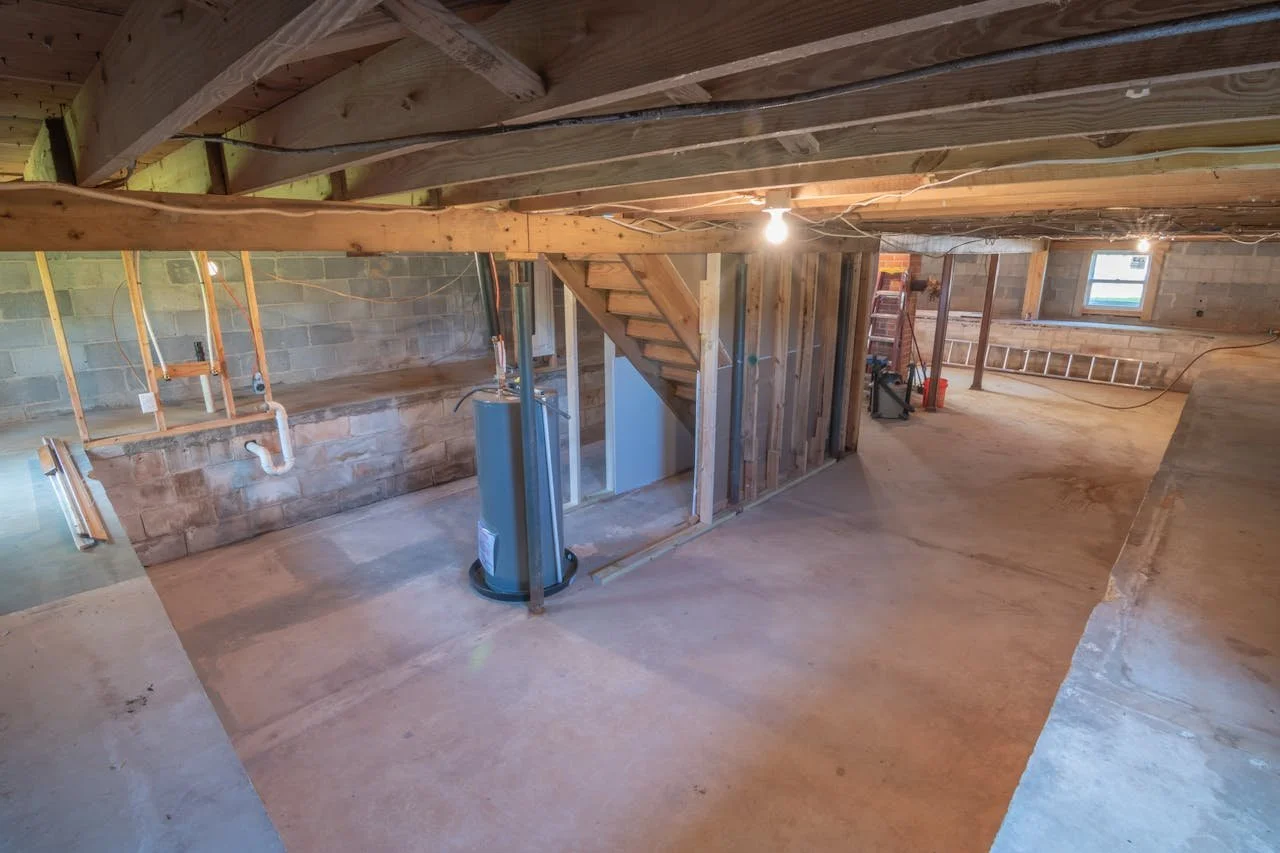
What to Expect During Basement Remodeling in Leesburg VA
Starting basement remodeling in Leesburg, VA, can feel exciting, but it also brings a lot of questions. Whether you're thinking about building a hangout space, a home office, or a guest suite, it's helpful to understand what goes into the process. This part of the house can be one of the most flexible, but making it work takes planning.
Before the hammering begins, it’s worth thinking about comfort, layout, and how long things will take. Cold months like January are good for getting organized and making decisions, even if the actual work starts later. By knowing the steps ahead of time, we can avoid delays and be better prepared for what’s coming once construction begins.
Preparing for the Remodel
The first step is always taking a good look at what’s already in place. Every basement is different. In older homes especially, we might need to check a few things before final plans are made.
Check for signs of water problems, like damp walls or musty smells.
Measure the ceiling height and look at how pipes or vents might get in the way.
Study the layout to figure out where walls, rooms, or closets could fit.
If your home hasn't had major updates in a while, the basement may still have outdated wiring or insufficient insulation. Older plumbing might impact where a new bathroom or wet bar can go. These things don’t stop a remodel, but they do take more time and planning.
Winter is a good season to focus on prep work. The ground might be frozen, and cold weather can slow down outdoor projects, so it's an easier time to review blueprints, meet with pros, or apply for permits. Building departments are still open, and springtime construction could move quicker if everything is ready before then.
What Happens During Construction
Once everything is laid out and materials are selected, construction begins. This part is more physical, and it’s helpful to be ready for things to get a little loud or messy, especially if you’re living upstairs.
Here’s how most basement remodels tend to move:
1. Demolition: Removing anything old or broken (walls, flooring, fixtures).
2. Framing: Building new walls, doorways, or closets.
3. Rough-in work: Installing new plumbing, heating ducts, electrical lines.
Weather can sometimes slow things down. If you're adding windows or digging for plumbing drains, frozen ground or low temps might be a factor. Inside, though, work typically keeps moving. You might notice more dust or less quiet during construction.
To keep things manageable for your household, mark off areas where work is happening. Use plastic sheeting, tape off entrances, and plan ahead if kids or pets are around. It’s normal to have some restricted access for a few weeks during this time.
Choices That Affect the Timeline
Some parts of the basement remodel happen in order, but others depend on your choices. Picking fixtures, flooring, or finishes might seem like simple tasks, but they can easily hold things up if left for the last minute.
Carpets, tile, or engineered flooring often have lead times depending on the supplier.
Special-order items like lighting or vanities might take weeks to arrive.
Paint color, trim selection, or hardware styles can stall progress if undecided.
We always recommend choosing and ordering supplies before demolition starts. That way, we’re not waiting on a delayed shipment to finish a room. Permits and inspections can also affect timing. While things usually move steadily, it's smart to allow a few extra days in your schedule in case an inspector visit gets pushed back or paperwork takes longer than expected.
Safety and Comfort Considerations
A remodeled basement isn’t much help if it doesn't feel good to be in. Comfort is more than just temperature; it includes airflow, lighting, and how safe the space feels.
Add wall and ceiling insulation to hold in heat and sound.
Choose heating options that make sense for underground areas like electric baseboards or ductless mini-splits.
Make sure emergency exits, smoke alarms, and ceiling height meet local code.
Basements in Northern Virginia can get pretty cold during winter and stickier in early spring. Planning for that during the build can make the space usable year-round. Fire codes also matter. If you’re turning part of the basement into a guest room, you may need a larger egress window or upgraded stair access. Planning ahead for these things helps avoid last-minute changes.
What the Finished Space Should Feel Like
After all the planning and building, the main goal is to have a room that works the way you want it to. That means more than just a nice look; it’s about how the space lives once you start using it.
Think about the purpose:
If it’s for relaxing, soft lighting and carpet might make it feel warm and cozy.
For an office, soundproofing and strong lighting can help you focus better.
If you’re adding a gym, open space and solid floors matter most.
Beyond these functions, it’s the small features that help the basement feel like a smooth part of your home. Good circulation, thoughtful lighting, and easy access from upstairs go a long way. It shouldn’t feel like a separate space; it should feel like one more comfortable room in your house.
Expert Guidance for Leesburg Basement Remodeling
The whole process of basement remodeling in Leesburg, VA, goes more smoothly when you know what to expect from start to finish. We Remodel offers a free in-home consultation, where a project specialist will discuss your basement ideas, review your space, and provide a written estimate so you can plan with confidence. Our expertise includes basement finishing, custom built-ins, and complete basement transformations for a range of uses.
When we focus on preparation, clear choices, and aligning your plans with comfort and code, remodeling your basement becomes a stress-free experience. With careful planning and experienced guidance, your renovated space can bring new value and enjoyment to your home in Leesburg, VA.
Planning ahead can help you make the most of your square footage, and our team has guided many homeowners through layout choices and finish options that enhance daily living. We've answered questions just like yours about basement remodeling in Leesburg, VA, and know that early decisions have a big impact. At We Remodel, we’re ready to help you take the next step, contact us to start creating a space you’ll love.
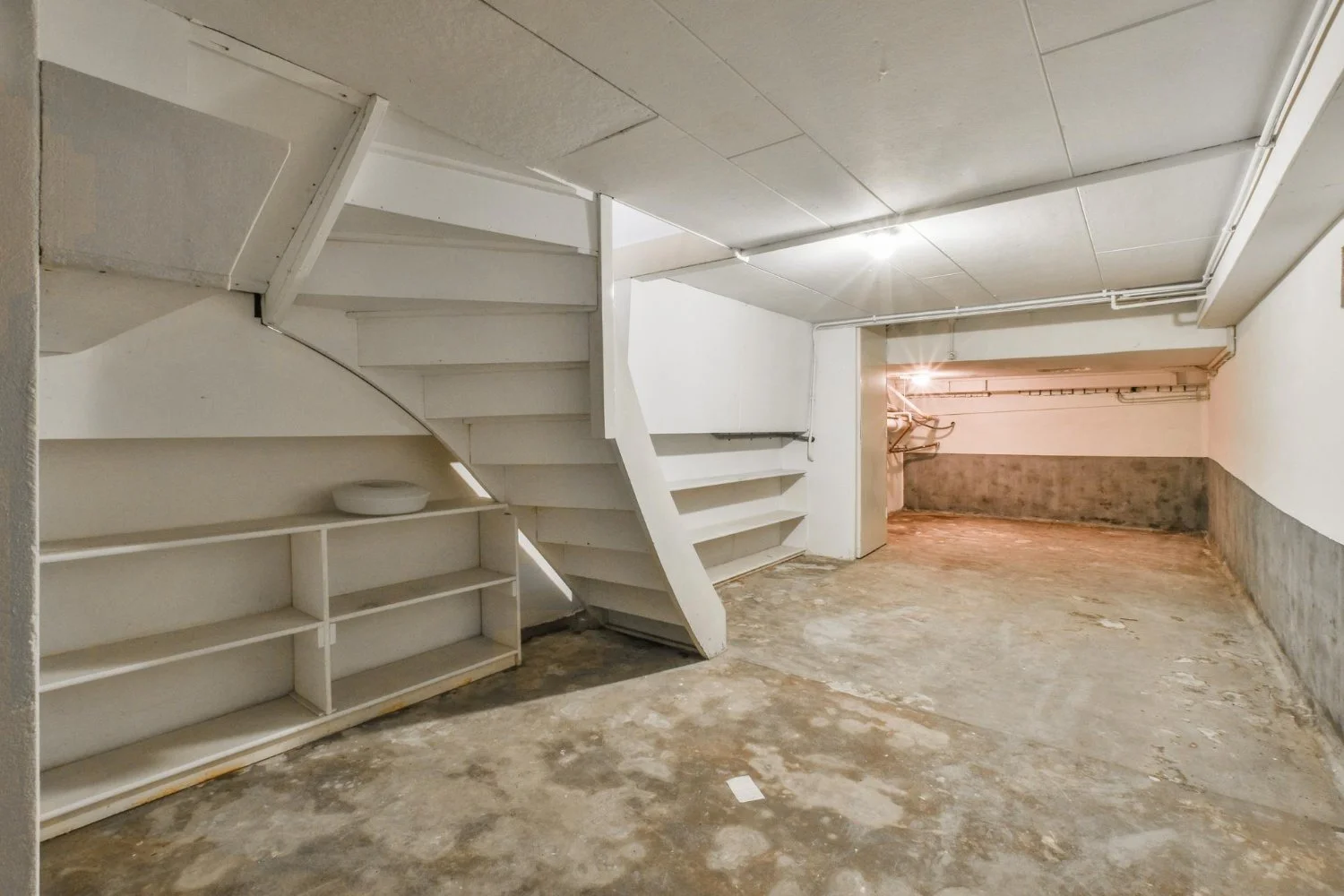
How to Start Planning a Basement Remodel in Leesburg
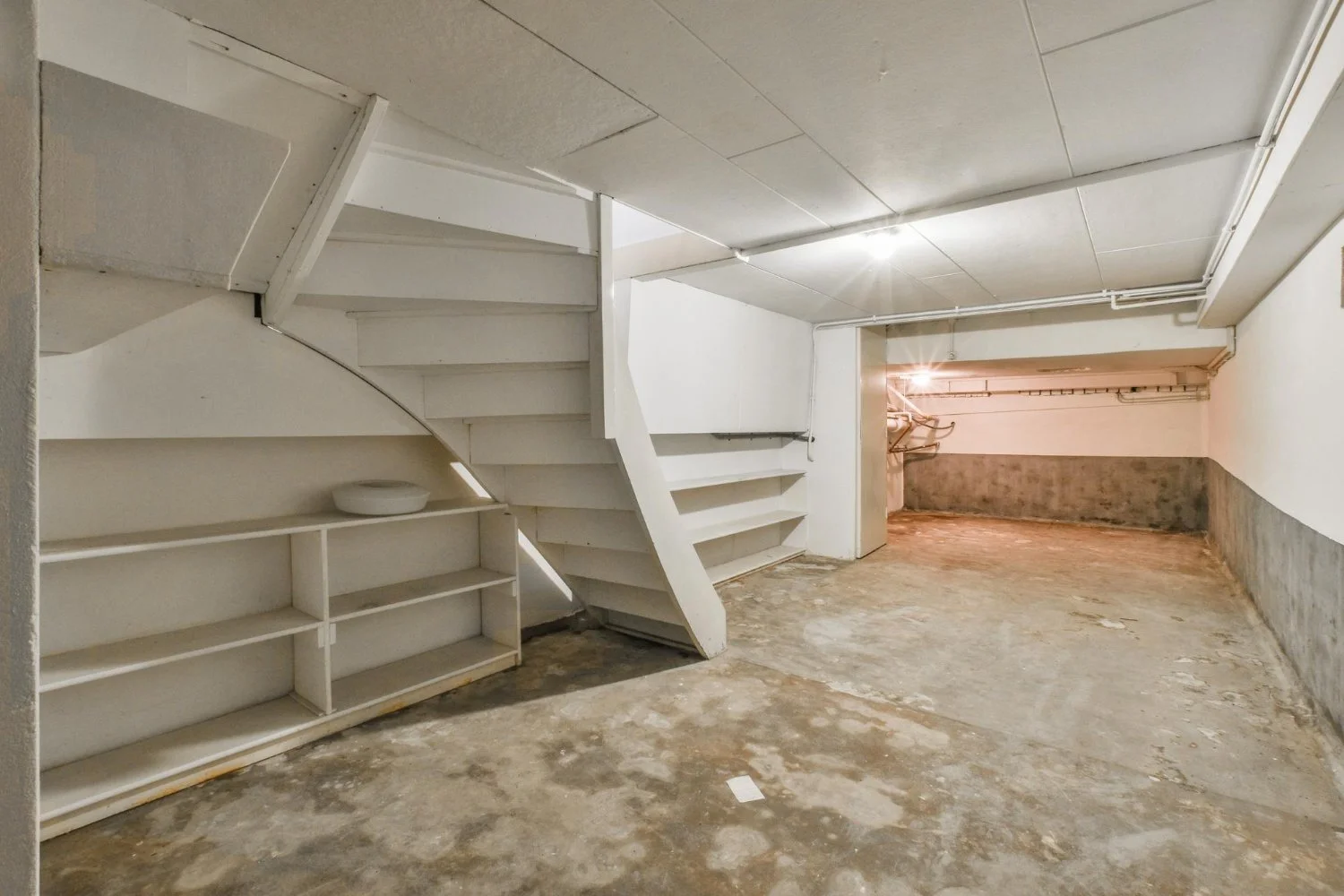
Starting a basement remodel in Leesburg brings up a lot of questions. The timing, layout, old features, and what you plan to use the space for all matter. Cold winter months can actually be a good window to get all the thinking and planning done. Since the basement isn’t used as much when it’s chilly outside, you can focus on what should change and how you want it to feel once it’s finished.
Whether you’re hoping for a family hangout, an extra room for guests, or just better use of space, the first steps are what set the whole project up to go smoother. A basement remodel in Leesburg takes more than picking a new paint color. To avoid common issues later on, it helps to think ahead about structure, safety, comfort, and design, especially in older homes.
Look at the Space You Have
Before getting into design ideas or picking out finishes, take a close look at what’s already there. Most basements come with a mix of usable features and areas that need help. Start by walking the space with fresh eyes and making some notes.
• Look at the ceilings. Are they low or sloped? Would ductwork or piping get in the way?
• Smell the air. Is there any dampness or signs of water past leaks?
• Is natural light coming in through small windows, or is it mostly dark even during the day?
A basement’s age can bring surprises. It might have cracks in the walls, exposed pipes, or strange angles that make furniture hard to fit. Layout and airflow are other important factors. If you're dodging support beams or heading down stairs that feel cramped, those are things to think about early. Identify anything that needs fixing first, like leaks, weak spots in the wall, or evidence of pests. These types of issues can hold up bigger work later if they’re skipped at the beginning.
Define the Main Use of the Space
Once you’ve looked closely at what you’ve got, it helps to settle on one main use for your basement. This doesn’t mean it can’t do more than one thing down the road, but picking a main purpose helps guide layout and upgrades.
• A guest bedroom might need closet space and good sound control from upstairs.
• A home gym could need stronger floors, better airflow, and space for equipment.
• A playroom would want bigger open areas and tough surfaces that are easy to clean.
Keep the future in mind too. What you want now might change over time. Maybe it starts out as a TV and game space, but later needs to handle work-from-home needs. Making smart choices with wiring, outlets, and lighting now can save money and stress later.
Know the Rules in Leesburg
It’s easy to get excited about carpet colors and theater-style seating, but skip local rules and you might stall before anything gets built. Every town has its own code for how basements should be finished. Things like ceiling height, safe exits, or how far plumbing can run all come into play.
When remodeling a basement in Leesburg, don’t skip the step of checking if permits are needed. Most finished spaces need them, especially if the remodel will add a bathroom or sleeping space. Pay attention to:
• Minimum ceiling heights
• Where and how exits must be built
• Smoke detectors and carbon monoxide requirements
• Rules around electrical updates or lighting
It helps to look into this before final design choices are made. That way, you won’t have to rip out walls to add a second exit or move an outlet that’s out of code.
Plan for Comfort and Safety
Basements in Northern Virginia stay cooler most of the year. That’s great in the summer, but in January or February, it can get too chilly to enjoy the space. Comfort needs to be built into the first stage of the plan.
• Add wall and ceiling insulation that fits the space
• Upgrade windows or seal off old ones to keep out drafts
• Choose heating that works well underground, like radiant floors or split units
Sound insulation can make a huge difference, especially if the basement will be used while others are home upstairs. Carpeting or acoustic panels help cut down echoes and noise between levels. For safety, check for working smoke alarms and install emergency exits that are up to date. Some basements may need new egress windows or reinforced stairs, especially in older homes that weren’t originally built for finished spaces.
Make a Timeline That Works
Winter is a smart time to focus on the planning side of things. Permits, approvals, material research, and layout choices can all be worked out before construction begins. That way, when the weather warms up in Leesburg, work can start right away.
Think through what steps might take the longest. Permit reviews, ordering materials, and inspections can all hold things up if they’re left too late.
To keep your remodel on track:
• Map out key decision points now (like layouts or types of flooring)
• Give yourself time to fix any surprises like old wiring or slow drains
• Set up short deadlines for approvals and product selections
The more that’s planned out before spring hits, the smoother the actual work tends to go.
Setting Up For a Successful Leesburg Basement Remodel
A good basement remodel starts long before any construction begins. It takes time to think through layout, comfort, and what the space is really for. From there, reviewing Leesburg codes, fixing current issues, and choosing materials that match the season help achieve cleaner results.
We provide a free in-home consultation, so you can get professional advice for your space before making final decisions. Our team is fully licensed and insured for remodeling throughout Northern Virginia, and we specialize in basement finishing projects that are built for both safety and comfort.
Preparing for a basement remodel in Leesburg while things are quieter outside gives you an opportunity to choose the details that fit your needs. When it’s time to begin construction, you'll be ready with a plan, not racing to solve last-minute problems. Planning early ensures your finished basement will be comfortable, safe, and ready for year-round living.
Planning a basement remodel in Leesburg can feel overwhelming with all the details and options to consider, from code compliance to layout ideas. At We Remodel, Inc., we've helped homeowners across Northern Virginia transform their lower levels into functional spaces for relaxing, working, or adding storage. Explore how we approach a basement remodel in Leesburg to see what might work best for your home, and when you're ready for expert guidance, reach out to our team.
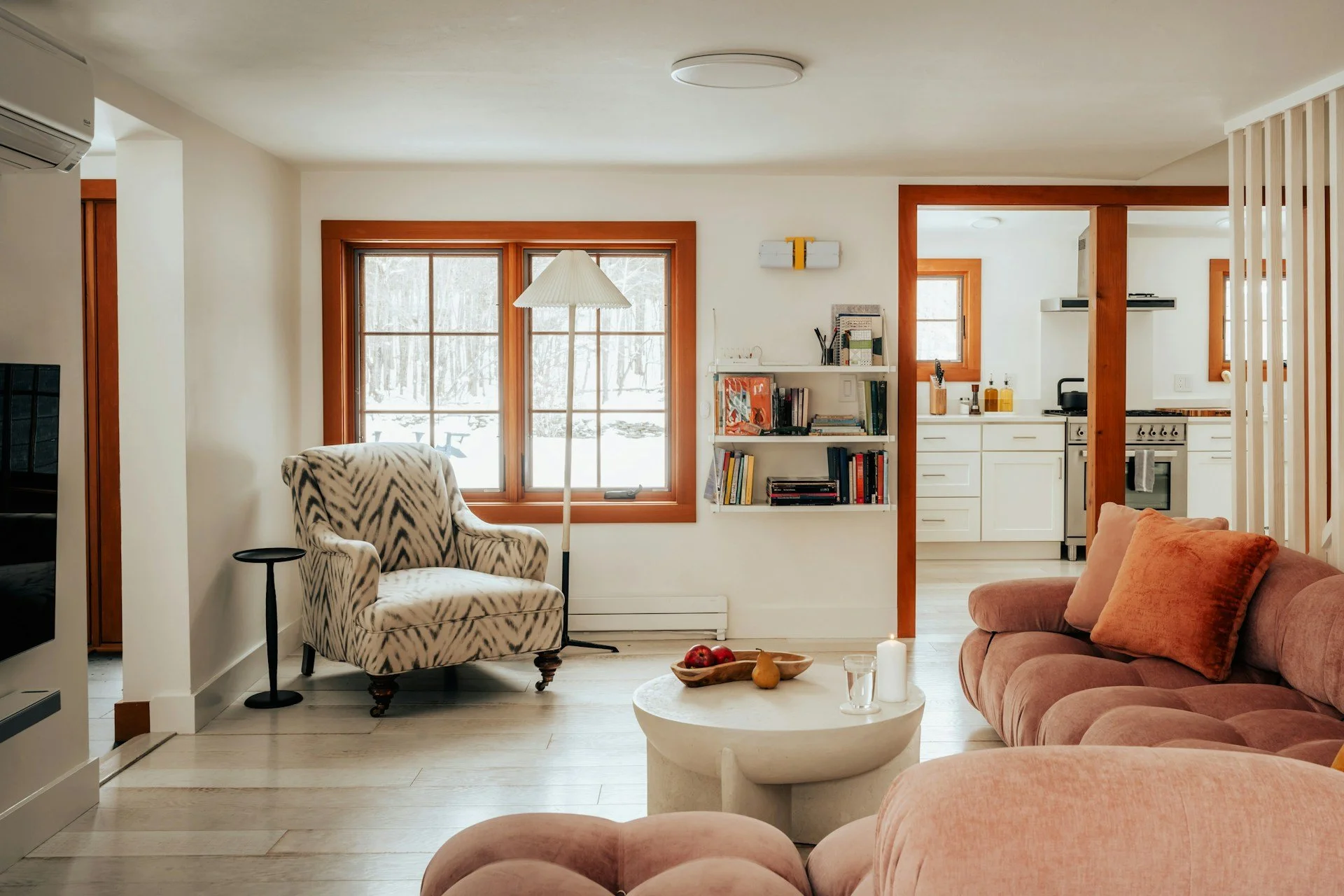
Creative Solutions for Small Living Room Remodels
Living rooms come in all shapes and sizes, but when life gives you a small one, it's time to get creative. Designing a compact living area can feel like trying to fit a puzzle together. You want to maximize space without sacrificing style, ensuring every piece counts. The key is in strategic planning, allowing you to create a room that not only looks great but also suits your lifestyle. With a bit of ingenuity, a small living room can become a cozy haven.
Strategically approaching the design of a small living room can transform it into a functional and inviting space. It’s about finding a balance between aesthetics and practicality. Consider what you need most: storage, seating, or maybe just a sense of openness. By focusing on smart solutions, you can turn those limited dimensions into a room that feels larger than it really is. Let's explore some practical steps to bring big style to small spaces.
Smart Furniture Choices
Choosing the right furniture can be a game-changer when it comes to remodeling a small living room. Every piece should serve multiple functions and fit the room perfectly, without making it feel cramped. Multi-functional furniture can help you make the most of the space available. Here are some ideas to consider:
Sofa Beds: These offer a place to sit during the day and can easily convert into a sleeping area.
Storage Ottomans: Use these to store blankets, magazines, or anything else cluttering your space, while also providing extra seating.
Fold-Out Tables: Perfect for an impromptu workspace or dining area, these tables can be tucked away when not in use.
To avoid a cluttered look, stick to furniture that fits the scale of the room. Overly large or ornate pieces can overwhelm a small space, making it feel even tighter. Opt for sleek designs and light colors that enhance the sense of openness. Consider mounted sofas or chairs to keep the floor clear, which can trick the eye into seeing more room. By selecting furniture thoughtfully, you can add functionality without sacrificing style. This way, your living room becomes more than just a place to sit; it becomes a true reflection of your lifestyle.
Maximizing Vertical Space
One often overlooked strategy in small spaces is maximizing vertical areas. Vertical space can create the illusion of tall ceilings and a bigger room. Imagine a bookshelf that stretches from floor to ceiling. It not only offers ample storage but also draws the eye upwards, making your living room feel more expansive.
Consider these ideas to make the most of your vertical space:
Tall Bookshelves: Perfect for storage and display, they can hold everything from books to decorative items.
Wall-Mounted Storage: Use shelves and cabinets mounted high on walls to keep items accessible yet off the floor.
Floating Shelves: These are great for art pieces or plants, adding depth without taking up floor space.
By using vertical elements, you create more storage and visual interest, transforming a cramped room into one that feels open and airy.
Creative Lighting Solutions
Lighting can dramatically affect how large a room feels. Natural light is your best friend, so keep your windows unblocked or cover them with sheer curtains. Mirrors can reflect light around the room, enhancing brightness and adding depth.
To build on natural light, consider these layered lighting ideas:
Floor Lamps: Place these in corners to create cozy nooks or highlight features.
Wall Sconces: Ideal for adding light without taking up floor space, they can be a stylish addition.
Ceiling Lights: A well-placed ceiling light can flood the whole room with light, making it feel bigger.
Each layer of light plays a part in adding warmth and dimension, turning a small room into a versatile living space.
Effective Use of Color and Decor
Color choices have a big impact on the perception of space. Light colors, like pale blues or soft grays, can make your room feel airy and larger. Dark shades, if used wisely as accent colors, add depth without overwhelming.
Consider these decor tips for a spacious feel:
Minimalistic Decor: Opt for less clutter with functional decorations that serve a purpose.
Space-Saving Decor: Choose items like foldable picture frames or stackable pieces that can be easily moved or stored.
Accent Colors: Use cushions or throws in complementary colors to add warmth and personality.
A clean, light color palette combined with intentional decor can make your living room a stylish yet comfortable retreat.
Bringing It All Together
Designing a small living room involves thoughtful planning and a good mix of creativity and practicality. By integrating smart furniture, utilizing vertical space, enhancing lighting, and selecting the right colors, you can craft a room that feels much larger than it physically is. These small changes combined work to transform your space.
As you refine your living room setup, keep in mind your day-to-day needs and personal style. Every decision you make should resonate with how you want to live and the comfort you seek in your home. In doing so, every corner of your living room will reflect the essence of your personality, making it both functional and uniquely yours.
Ready to transform your small living room into a spacious and stylish haven? Explore more about an interior home remodel with We Remodel in Northern Virginia. Our team focuses on bringing your vision to life by tailoring designs to suit your lifestyle and preferences. Reach out to us today to discuss how we can help reimagine your space.

Tricks for Enhancing Your Home's Exterior Charm
Everyone dreams of owning a home that catches the eye and creates a warm, welcoming atmosphere. Enhancing your home's exterior charm isn't just about aesthetics—it can significantly boost its value and curb appeal. In Northern Virginia, where homes are surrounded by beautiful landscapes, a well-presented exterior harmonizes with the natural beauty and community style. It's about combining practical improvements with personal touches to make your residence stand out in a neighborhood.
Creating an inviting exterior doesn't have to be a daunting task. With a mix of strategic updates and personal creativity, you can transform your home's façade into a true reflection of your style. From thoughtful landscaping to updated architectural elements, these improvements can make a big difference. Let's explore some practical and effective ways to add charm to your home's exterior, ensuring it leaves a lasting impression.
Sprucing Up Your Front Yard
Taking steps to enhance your front yard can significantly change the vibe of your entire property. Here are some helpful suggestions to get started:
Choose the Right Plants: Selecting plants that thrive in Northern Virginia's climate ensures your garden's longevity and vibrancy. Native species, such as Virginia bluebells or wild columbines, are not only beautiful but also require less maintenance.
Create Eye-Catching Features: Adding features like a small fountain, a birdbath, or even a winding pathway can provide a focal point and guide the eye through your garden. Consider using natural stones or stepping stones to add detail to these pathways.
Maintain a Neat Lawn: Regular mowing, edging, and fertilizing keep your lawn looking fresh and healthy. Adding seasonal flower beds with pansies in spring or asters in fall provides a splash of color to complement the evergreens, maintaining visual interest year-round.
These straightforward adjustments can drastically improve the look and feel of your home's exterior, making it a welcoming retreat for both you and your guests. Aim for consistency in design, which ties the front yard in with the overall home exterior, creating a coherent and charming appearance.
Freshening Up Your Home's Facade
To truly elevate your home's appeal, freshen up its facade. It's surprising what a difference a coat of paint can make. Start by selecting a color palette that aligns with your personal taste and suits your neighborhood's character. A vivid front door or a clean, neutral siding color can breathe new life into your home’s exterior. If painting isn't your thing, consider replacing outdated or worn siding. New siding choices like fiber cement or vinyl not only look great but offer durability.
Doors and windows also play a critical role in your home’s appearance. Swapping out an old, drafty front door for a modern style can make a striking impact. Look for styles with glass panels to let light flood your entryway. Updating window styles and ensuring they’re well-fitted will not only refresh the look but improve energy efficiency. Don't underestimate the power of small details like shutters or decorative trim; they add a finished, polished touch to the overall aesthetic.
Creating Inviting Outdoor Spaces
Outdoor spaces are like an extension of your home. Make them inviting and functional by designing patios or decks that suit your lifestyle. Whether it's a spacious porch for entertaining or a small nook perfect for sipping morning coffee, thoughtful design makes all the difference. Consider using natural materials like wood or stone to blend the area with its surroundings.
Choosing the right outdoor furniture and decorations can make your space both stylish and comfortable. Opt for weather-resistant pieces that promise longevity. Complement your furniture with colorful cushions and throw pillows to add that cozy touch. Lighting is another key element. Strategically placed lights not only highlight architectural features but create a warm, welcoming atmosphere after sunset. Simple string lights or lanterns can add charm and illumination.
Adding Personal Touches
Personal touches make a house feel like home. Incorporate unique decor items that reflect your personality—perhaps a quirky mailbox design or distinctive house numbers. These can make a subtle but significant impact on your home's overall look. Seasonal decorations, like wreaths or a small flag, keep your exterior lively and updated.
Outdoor art and garden ornaments are perfect for expressing style and bringing a hint of personality to your garden. Think of items like sculptures, birdhouses, or wind chimes. They add a playful touch while enhancing your yard's aesthetic. The trick is to balance these elements so they complement rather than overwhelm your space.
Bringing It All Together
Crafting an exterior that charms starts with a few strategic updates. From freshening the facade and creating outdoor gatherings to adding personal flair, these elements together enhance appeal and comfort. Your home will not only attract the eye but offer warm hospitality to family and visitors alike. As you think about these changes, consider how they fit with your lifestyle and preferences. Simple, well-chosen improvements can transform your house into a beacon of welcoming charm.
Looking to enhance your home's exterior with the perfect finishing touches? Partnering with a home remodeling general contractor can make all the difference in bringing your vision to life. Whether you're updating your facade or creating inviting outdoor spaces, We Remodel ensures quality craftsmanship tailored to your style. Explore our services to see how our experts can help reflect your tastes and improve curb appeal. Get started on your home transformation today.